
In the current landscape of the Greater Toronto Area (GTA) real estate market, investors are increasingly scrutinizing the math behind every square foot. As we move through May 2026, the question of whether to invest in a 1-bedroom or a 2-bedroom condominium has become a pivot point for long-term portfolio growth. Cathy Dou, Broker of Record at BuyRealty.ca Brokerage, advises clients to approach this comparison through both quantitative metrics and qualitative community factors.
Navigating the Ontario market requires a deep understanding of shifting provincial regulations and local supply-and-demand cycles. With the implementation of the Trust in Real Estate Services Act (TRESA), transparency and ethical governance are more critical than ever. Whether you are looking at the vertical density of North York or the growing transit hubs in Markham and Richmond Hill, your choice between unit sizes will determine your tenant profile, your vacancy risk, and ultimately, your cash flow.
The Case for the 1-Bedroom: Liquidity and Efficiency
Historically, the 1-bedroom condo has been the "bread and butter" for GTA investors. Their lower entry price point makes them accessible for first-time investors or those looking to diversify across multiple properties.
1. Lower Barrier to Entry
In markets like Vaughan and Toronto, the price gap between a 1-bedroom and a 2-bedroom can range from $150,000 to $250,000. For an investor, this means a lower down payment and lower land transfer taxes. When you factor in the current mortgage rates: with 5-year fixed rates hovering around 4.6% to 4.9% and variable rates slightly higher: the monthly carry for a 1-bedroom is significantly more manageable for many portfolios.
2. Higher Rental Yield per Square Foot
While the absolute rent for a 2-bedroom is higher, the rent per square foot is often superior in 1-bedroom units. According to recent TRREB data, 1-bedroom units in the GTA core average approximately $1,991 to $2,300 per month depending on the neighbourhood. Because the square footage is smaller, the price-to-rent ratio often leans in favour of the 1-bedroom for those focused strictly on yield.

The Case for the 2-Bedroom: Stability and the "New Normal"
While 1-bedrooms offer efficiency, 2-bedroom units are currently benefiting from a structural shift in tenant demand. Cathy Dou, Broker of Record at BuyRealty.ca Brokerage, has noted that the "work-from-home" culture and the rising cost of detached housing have made 2-bedroom condos the preferred choice for long-term tenants.
1. Tenant Longevity
2-bedroom units typically attract young families, professional couples, or roommates. These demographics tend to stay longer than single professionals in 1-bedroom units. Lower turnover means fewer months of vacancy, fewer repair costs between tenants, and a more stable passive income stream.
2. Remote Work Demand
In the post-pandemic era, a second bedroom is often used as a professional home office. This makes 2-bedroom units in suburban hubs like Richmond Hill and Markham highly sought after. Tenants are willing to pay a premium for that extra door they can close at the end of the workday.
Cathy Dou, Real Estate Agent at BuyRealty.ca Brokerage, often highlights that in family-oriented communities, the 2-bedroom unit acts as a "bridge" for families who are not yet ready for a freehold townhouse but have outgrown a small apartment. You can learn more about these shifting preferences in our guide on VMC condos vs. Woodbridge detached homes.
Analyzing the Numbers: Cash Flow vs. Appreciation
When choosing between these two options, investors must look at the "Total Return." As of May 2026, the GTA rental market has seen a cooling from the frantic peaks of 2022, meaning your "cap rate" (capitalization rate) calculation is more important than ever.
| Metric | 1-Bedroom (Average) | 2-Bedroom (Average) |
|---|---|---|
| Purchase Price | $550k – $650k | $750k – $950k |
| Avg. Rent (GTA) | $2,100 – $2,400 | $2,800 – $3,300 |
| Tenant Profile | Single Professional / Student | Families / Roommates / WFH |
| Liquidity | High (Easier to Sell) | Moderate (Larger Buyer Pool) |
Note: Figures are estimates based on Q1 2026 market data and vary by specific building and neighbourhood.
For a deeper dive into how these yields are calculated, read our article on GTA real estate secrets and rental yields.
Regional Nuances: Where You Buy Matters
The "1 vs. 2" debate changes based on the Ontario municipality you are targeting.
- Downtown Toronto: 1-bedroom units remain the king of liquidity. Proximity to the Financial District and hospitals ensures a constant stream of high-quality tenants.
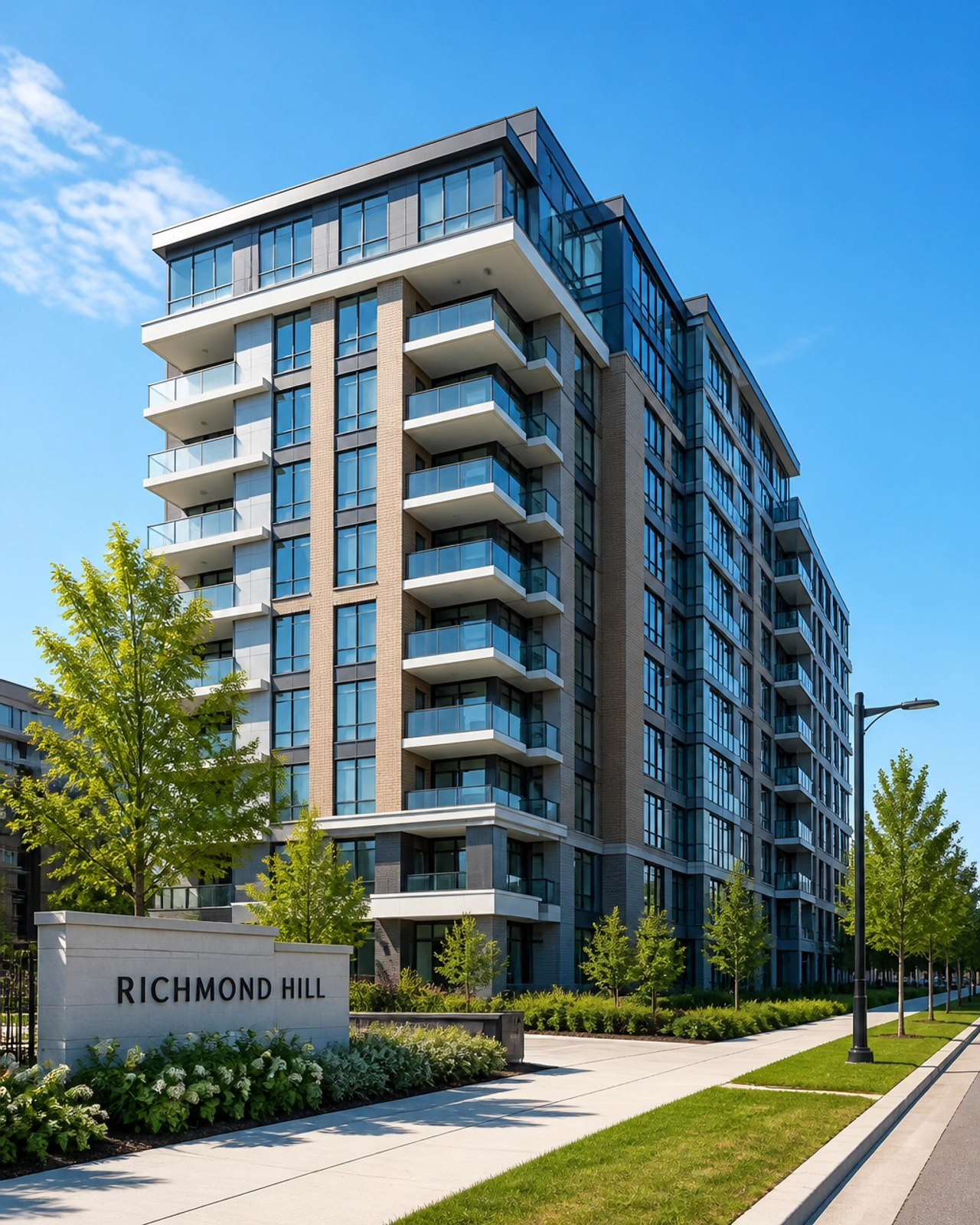
- Markham & Richmond Hill: In these areas, 2-bedroom units are often more desirable. The cultural preference for family-centric living and the proximity to top-tier schools make 2-bedrooms a more stable long-term investment.
- Vaughan (VMC): With the expansion of the subway, Vaughan is seeing a mix. 1-bedroom units cater to commuters, while 2-bedrooms cater to the local workforce who want more space than a core-Toronto shoebox.
Risk Mitigation and TRESA Compliance
Investing in Ontario real estate is no longer just about picking a nice building. It is about navigating a complex regulatory environment. Under TRESA, BuyRealty.ca Brokerage ensures that all investors are fully informed of their rights and the disclosures required when managing rental properties.
Cathy Dou, Broker of Record, emphasizes that "In a shifting market, clarity is the greatest asset we can offer our clients." This includes understanding the impact of potential rent control on newer buildings and ensuring that your Agreement of Purchase and Sale is structured to protect your interests during the closing process.
Final Verdict: Which Is Better for Your Income?
There is no "one-size-fits-all" answer, but there is a "right-size-for-you" answer:
- Choose a 1-Bedroom if: You are a new investor, you prioritize lower monthly carrying costs, or you want a highly liquid asset that is easy to sell in any market cycle.
- Choose a 2-Bedroom if: You are looking for long-term stability, lower tenant turnover, and want to capitalize on the permanent shift toward hybrid work and family-sized urban living.
The current market correction has created unique opportunities for those who are prepared. As Cathy Dou often advises, the best time to build a portfolio is when others are hesitant. Understanding the latest Toronto housing market forecasts can give you the edge needed to make a profitable decision.
Whether you are downsizing, upgrading, or looking for your next turnkey investment, our team is here to guide you through every intricacy of the Ontario market.
Call Cathy at 647-691-6364