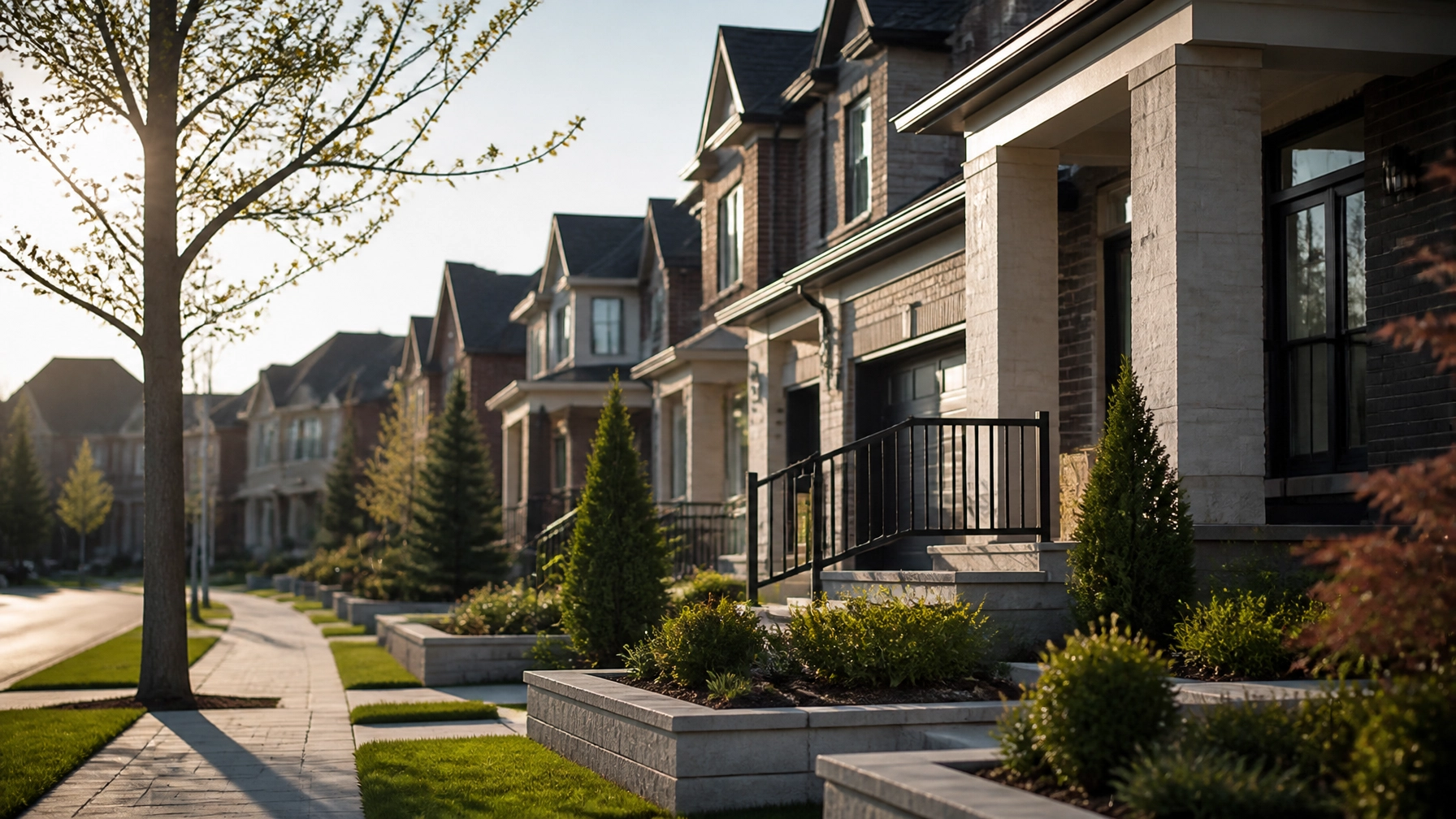
Navigating the real estate landscape in Ontario requires more than just capital; it requires a deep understanding of a shifting regulatory environment and a keen eye for market nuances. As we move through May 2026, the Greater Toronto Area (GTA) has transitioned from the frenetic "hustle" years into a period of calculated strategy and long-term holding.
For investors, especially those within the Chinese-Canadian community who value heritage and steady growth, the old playbooks no longer apply. The market has matured, and the risks of a "hands-off" approach have never been higher. Cathy Dou, Broker of Record at BuyRealty.ca Brokerage, emphasizes that in today’s environment, the difference between a high-performing asset and a financial drain often comes down to the quality of the initial due diligence.
If you are looking to grow your portfolio in Richmond Hill, Markham, or the broader GTA, here are the seven most common mistakes investors are currently making: and how you can correct them.
1. Betting on Rapid Appreciation Over Cash Flow
For nearly two decades, the GTA was a market where "negative gearing": buying a property that costs more to maintain than it generates in rent: was a common practice because double-digit annual appreciation bailed investors out. In 2026, that strategy is a significant gamble.
With the 2025 year-end data showing a cooling of rapid price spikes and market nuances favouring stability over speculation, banking on a 10% price jump to cover your monthly deficit is risky.
The Fix: Prioritize the "Cap Rate." Underwrite your deals based on today’s rental income and current mortgage rates (which are hovering around 4.8% for a 5-year fixed term as of May 2026). Ensure the property can at least break even. If the numbers don't work without a massive price surge, it’s not an investment; it’s a speculation.

2. Ignoring the 2018 Rent Control Cutoff
Many investors fail to distinguish between properties subject to provincial rent control and those that are not. In Ontario, residential units first occupied after November 15, 2018, are generally exempt from the annual rent increase guideline.
Buying an older condo in North York might seem like a bargain, but if the rent is capped at a 2.5% increase while your property taxes and maintenance fees rise by 5% or 10%, your margins will vanish.
The Fix: Always verify the first occupancy date of a property. If you are looking for long-term flexibility in yield, target newer developments or purpose-built rentals post-2018. However, if you choose an older property, ensure the entry price reflects the limited upside in rental growth. Cathy Dou, Real Estate Agent and Broker of Record at BuyRealty.ca Brokerage, often helps clients navigate these first-time buyer and investor guides to ensure legal compliance from day one.
3. The "Pre-Construction" Speculation Trap
There was a time when "flipping" a pre-construction contract (an assignment sale) was a guaranteed win. Today, with construction costs in Ontario rising and many projects facing delays, the "gap" between pre-construction pricing and current resale value has narrowed: or in some cases, inverted.
Investors are making the mistake of buying pre-construction at a premium, only to find that upon completion in three years, the market value is lower than their purchase price plus HST and closing costs.
The Fix: Only buy pre-construction if the project offers a unique value proposition: such as a prime location in Vaughan or proximity to the upcoming Ontario Line: that cannot be found in the resale market. Demand a developer with a stellar track record and always have a "Plan B" that involves closing on the property and renting it out, rather than relying on an assignment sale.
4. Underestimating the Power of "Stale" Listings
In a competitive market, investors often ignore any listing that has been on the market for more than 30 days, assuming there is a "latent defect." In the current 2026 GTA market, where sales volumes have seen historic lows, a property staying on the market longer is often just a symptom of poor marketing or an initially unrealistic seller: not necessarily a bad house.
The Fix: Look where others aren't. Properties with "Days on Market" (DOM) over 45 days in areas like Aurora or Newmarket are prime candidates for aggressive negotiation. A seller who has seen their property sit through two price drops is much more likely to accept terms that favour the investor, such as a longer closing or a vendor take-back mortgage.

5. Failing to Screen for "Lifestyle" Tenants
The GTA rental market is strong, but the type of tenant you attract determines your long-term success. A common mistake is focusing solely on the highest possible rent while ignoring tenant longevity. High turnover leads to vacancy losses and repair costs that can eat an entire year’s profit.
The Fix: Invest in properties that offer a "lifestyle." This means looking for units with functional layouts, high-quality finishes, and proximity to transit. A slightly lower rent from a professional couple looking to stay for five years is infinitely more valuable than a record-breaking rent from a tenant who moves out after twelve months. Cathy Dou advises clients to look at the Richmond Hill market specifically for these types of high-retention, family-oriented rental opportunities.
6. Overlooking the Impact of TRESA and New Legislation
With the implementation of the Trust in Real Estate Services Act (TRESA), the legal landscape for how properties are traded in Ontario has changed. Investors who rely on "old school" handshake deals or don't understand the new disclosure requirements for multiple-representation scenarios are leaving themselves vulnerable to litigation or ethical breaches.
The Fix: Work with a brokerage that is fully compliant and up to date on RECO regulations. BuyRealty.ca Brokerage prides itself on explaining the intricacies of these provincial forms. Understanding your rights and the obligations of your agent is not just a formality; it is a critical component of your risk management strategy.
7. DIY-ing Your Investment Strategy
The biggest mistake an investor can make in a complex market like Ontario is trying to do everything themselves. From navigating the Land Transfer Tax nuances to managing the Residential Tenancies Act (RTA), the "Do-It-Yourself" approach often leads to costly errors, particularly when dealing with non-resident speculation taxes or secondary suite zoning.
The Fix: Build a team. A successful real estate portfolio requires a specialized accountant, a real estate lawyer, and a Broker of Record who understands both the numbers and the local culture. Real estate in Ontario isn't just about the transaction; it’s about navigating a complex regulatory environment with absolute integrity.

Conclusion: Strategy Over Speed
The GTA market in 2026 rewards the patient and the professional. Whether you are looking to downsize your own home and move into a turnkey investment or you are a first-time buyer trying to enter the market, the key is to avoid these common pitfalls by relying on data, not headlines.
Cathy Dou, Real Estate Agent and Broker of Record at BuyRealty.ca Brokerage, provides a catered lifestyle approach for you and your family throughout the real estate process. By focusing on clarity, strategic insight, and a sense of fiduciary duty, Cathy ensures that your largest financial assets are protected.
Are you ready to refine your GTA investment strategy and secure your financial future?
Call Cathy at 647-691-6364.

