
The real estate landscape in Ontario has undergone a tectonic shift as we move through 2026. For years, the "secret" to success in the Greater Toronto Area (GTA) was simple: buy anything and wait for the market to lift your boat. However, in today’s environment: characterized by a 6.5% year-over-year price correction and elevated carrying costs: the old playbook of speculative appreciation has been discarded by the pros.
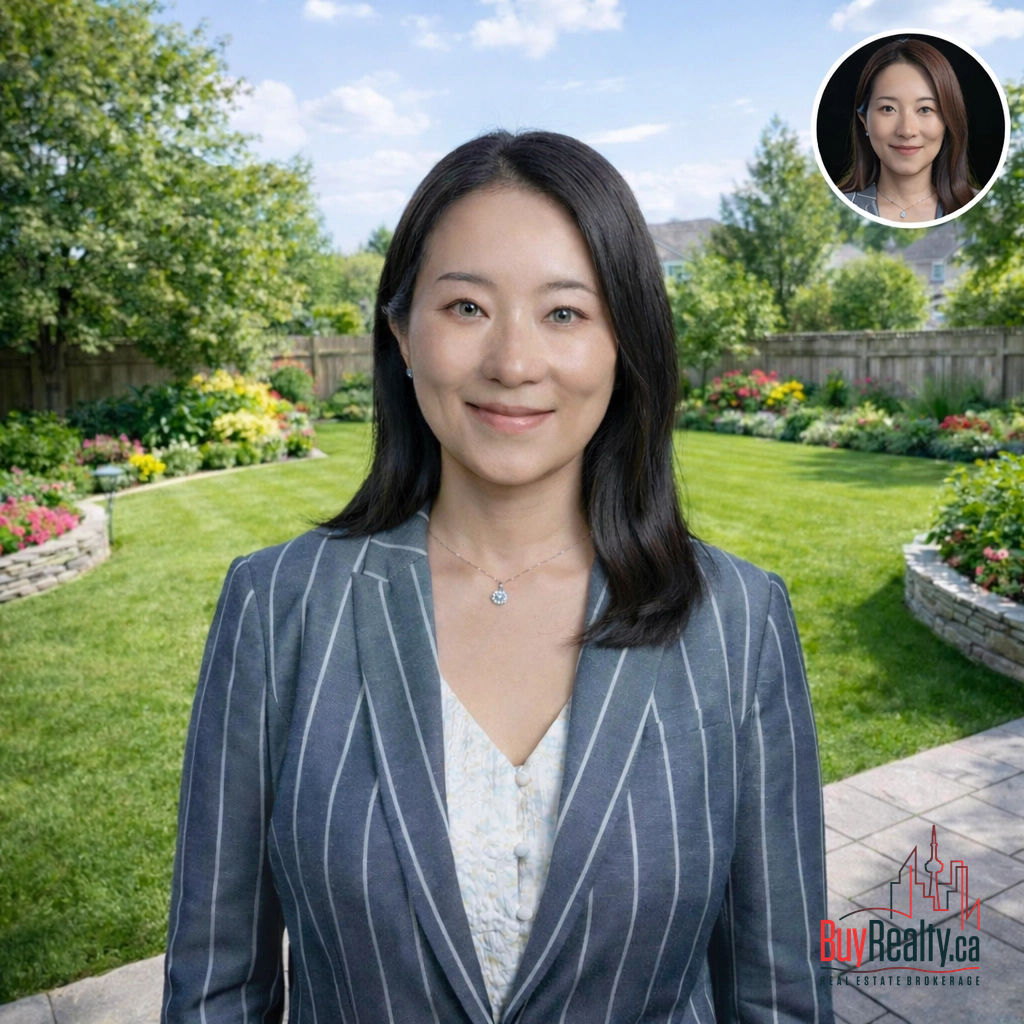
Cathy Dou, Broker of Record at BuyRealty.ca Brokerage, observes that the most successful investors are no longer looking for "quick flips." Instead, they are quietly accumulating high-yield assets in submarkets that remain invisible to the average buyer. Navigating this complex regulatory environment, especially under the Trust in Real Estate Services Act (TRESA), requires a strategic path that prioritizes cash flow over hype.
The Big Picture: The 2026 Ontario Market Pivot
Before drilling down into specific streets and corners, it is essential to understand the provincial context. The Ontario market has moved from a "frenzy" to a "fundamentals" phase. While the average sale price across the Toronto Regional Real Estate Board (TRREB) has stabilized around $1.05M, the real story lies in the rental yield.
With immigration continuing to drive demand and a significant shortage of purpose-built rentals, the "yield gap" in certain GTA pockets has become the primary driver for institutional and private wealth. Cathy Dou advises that investors must approach this comparison through both quantitative metrics, such as capitalization rates, and qualitative factors like transit expansion.

The First "Secret": The Power of the Legal Secondary Suite
If there is one thing "experts" are buying while telling everyone else to wait, it is the detached home with a legal secondary suite. In 2026, a standard detached home in many GTA suburbs might yield a gross rental return of 4.5%. However, properties equipped with a legal basement apartment or a garden suite are currently averaging gross yields of 6.0% or higher.
The Ontario government’s push for increased density has made it significantly easier to legalize these units. This is not just a housing solution; it is a financial strategy. By securing a property that generates two distinct streams of income, investors can mitigate the risks of high interest rates. This is a cornerstone of Ontario housing 101, where stability is built through diversified rental income.

High-Yield Spotlight: The Submarkets to Watch
Where exactly is this yield hiding? While the media focuses on downtown condo price fluctuations, professional investors are looking at the periphery: specifically in areas where transit infrastructure and employment nodes intersect.
1. Mississauga: The LRT Advantage
Mississauga is no longer just a "bedroom community." Submarkets like Cooksville are currently offering some of the best cap rates in the region. The primary driver is the Hurontario LRT corridor, which is nearing completion and transforming the north-south connectivity of the city.
Cathy Dou, Broker of Record at BuyRealty.ca Brokerage, notes that Cooksville’s older housing stock provides the perfect footprint for secondary suite conversions. Meanwhile, areas like Meadowvale remain a "safe haven" for yields due to their proximity to major corporate headquarters and logistics hubs. These nodes ensure a constant stream of high-quality professional tenants.
2. Brampton: Cash Flow King
For those prioritizing absolute cash flow, Brampton remains a dominant force. The Bramalea neighborhood, in particular, has been flagged by analysts as having the highest potential cash flow for detached investments. The larger lots and established zoning make it an ideal candidate for "up/down" duplex strategies.
Investors often overlook Mount Pleasant, but this transit-oriented node provides a unique blend of GO Transit access and value-driven pricing. For a deeper dive into these submarket nuances, exploring GTA real estate secrets can reveal how local zoning changes impact your bottom line.
3. Durham Region: The Affordability Frontier
Perhaps the biggest "secret" of 2026 is the resilience of Oshawa and Whitby. With detached house averages significantly lower than those in Peel or York Region, the rent-to-price ratio in Durham is among the most favorable in the GTA. As GO service continues to expand, the "commute penalty" is diminishing, attracting a new wave of tenants who want more space for their dollar.
Navigating the "Cultural Logic" of Ontario Investment
For many investors, particularly those within the Chinese-Canadian community, real estate is more than an asset class: it is a legacy. This cultural priority on "land ownership" often leads to a preference for freehold properties over condos.
Cathy Dou, Broker of Record at BuyRealty.ca Brokerage, understands this perspective deeply. She emphasizes that while the "pre-construction condo" was the darling of the last decade, the 2026 investor is better served by existing freehold assets that offer immediate utility. Whether you are looking at Richmond Hill market trends or the growth in Markham, the focus remains the same: secure, tangible assets that can withstand market corrections.
Compliance and Ethics: The TRESA Standard
In a shifting market, the importance of professional governance cannot be overstated. The Trust in Real Estate Services Act (TRESA) has introduced more transparency and ethical requirements for agents in Ontario. When you work with BuyRealty.ca Brokerage, you are working with a team that values fiduciary duty above all else.
Cathy Dou ensures that every client receives a "catered lifestyle approach." This means that an investment is not just about the numbers; it is about how that property fits into your long-term family and financial goals. From navigating latent defects during an inspection to negotiating the Agreement of Purchase and Sale, having an authoritative advisor is your greatest hedge against risk.

The "Expert" Verdict for 2026
The secrets of high-yield neighborhoods aren't actually hidden in locked vaults; they are hidden in the data that most people are too busy to read. High-yield investing in the GTA today requires:
- Conservative Underwriting: Modeling for 3-5% annual appreciation rather than double-digit spikes.
- Transit Proximity: Focusing on the "500-metre station radius."
- Secondary Suite Integration: Maximizing the square footage for multiple revenue streams.
Real estate in Ontario is about navigating a complex regulatory environment with absolute integrity. As Broker of Record, Cathy Dou's focus is on ensuring that her clients provide more than just a listing: they provide a protected, strategic path to homeownership and wealth building.
In a market that is slowly moving from recovery to reinvention, clarity is the most valuable asset you can have. Don't rely on the strategies of 2021 to win in 2026. Instead, lean into the expertise of a brokerage that understands the local nuances of every neighbourhood from Newmarket to North York.
Call Cathy at 647-691-6364.
| Mississauga | Detached houses · Condos · Townhouses · New this week |
|---|---|
| Toronto | Detached houses · Condos · Townhouses · New this week |

