
The Ontario real estate landscape has shifted dramatically over the last 24 months. For years, the Greater Toronto Area (GTA) pre-construction market was viewed as a "sure thing": a guaranteed vehicle for wealth where you could sign an Agreement of Purchase and Sale, wait four years, and sell the assignment for a six-figure profit. However, as we navigate mid-2026, the "investment logic" that once governed Richmond Hill, Markham, and downtown Toronto has evolved.
Cathy Dou, Broker of Record at BuyRealty.ca Brokerage, observes that while the appetite for new builds remains high among the Chinese-speaking investor community, the strategy must transition from speculative "flipping" to long-term asset management. To navigate this market successfully, one must look past the glossy brochures and understand the structural realities that sales offices rarely highlight.
The "Platinum Access" Illusion
In the world of GTA pre-construction, "VIP Access" and "Platinum Pricing" are the most common marketing hooks. You have likely seen advertisements promising "First Access" to projects in Vaughan or North York. The secret that many experts gloss over is that these tiers have become increasingly crowded.
True "Platinum" access isn't just about getting a unit; it is about the specific allocation of floor plans that maximize ROI. In high-density areas like Markham or Richmond Hill, certain layouts: specifically those with unobstructed views or functional dens that can serve as secondary bedrooms: are reserved for a very small circle of brokers who have moved hundreds of millions in volume for specific developers. Cathy Dou, Broker of Record, advises clients to scrutinize whether their "Platinum" status actually yields a price-per-square-foot advantage or if it simply grants them the "privilege" of buying into an overpriced project before the general public.

The Closing Cost Trap: Levies and Development Charges
One of the most significant financial shocks for first-time pre-construction buyers in Ontario is the final statement of adjustments. When you buy a resale home in Aurora or Newmarket, your closing costs are relatively predictable. In pre-construction, the "hidden" costs can reach tens of thousands of dollars.
Development charges are fees the municipality levies on the developer to pay for infrastructure, which are almost always passed down to the buyer. In recent years, these charges in the GTA have skyrocketed. A "Secret" often kept quiet is the importance of a Development Charge Cap. Without a firm cap written into your Agreement of Purchase and Sale, you could be handed a bill for $30,000 to $60,000 just weeks before closing.
Cathy Dou, Broker of Record at BuyRealty.ca Brokerage, emphasizes that sophisticated investors prioritize the "cap" over the initial purchase price. If a developer refuses to cap levies, the investment logic breaks down, as the unpredictability of the final cost erodes any projected capital appreciation. For those calculating their budget, using a mortgage calculator is essential, but you must factor in these additional closing liquids.
The HST Rebate: A Cultural and Financial Misunderstanding
For the Chinese-speaking investor community, the HST New Housing Rebate is often a source of confusion. The marketing price you see in a sales centre usually assumes the buyer is moving in as their primary residence. If you are an investor planning to rent out the unit in a high-demand area like North York or Thornhill, you must pay the HST rebate amount (up to $24,000-$30,000) upfront at closing.
While you can apply to get this money back from the CRA after securing a one-year lease, the "secret" is the cash flow requirement. Many buyers fail to realize they need this extra liquidity at the moment of closing. In a market where interest rates are a primary concern, failing to account for this $30,000 "bridge" can jeopardize the entire transaction.
Market Nuances: When Pre-Con Prices Exceed Resale
Historically, pre-construction was cheaper than resale because you were paying for "future value." In the current GTA market, we are seeing an inversion. In many pockets of Vaughan and Markham, developers are launching projects at $1,300 to $1,500 per square foot, while comparable resale units in the same neighbourhood are trading at $1,100 per square foot.
The logic used to justify this is "future appreciation," but as Cathy Dou, Broker of Record, points out, this requires the market to grow by 20-30% just for the buyer to break even by the time the building is finished. For investors focused on generational wealth, buying at a premium only makes sense if the project offers a unique locational advantage: such as direct access to the Yonge North Subway Extension or the GO Transit hubs in Bradford and Innisfil.

The Developer Track Record and the "Cancellation" Risk
Under the Trust in Real Estate Services Act (TRESA), transparency is paramount. One "secret" that experts rarely discuss openly is the rising rate of project cancellations or "restructuring." In a climate of high construction costs and fluctuating interest rates, not all developers are created equal.
Before signing, you must research the developer through the Home Construction Regulatory Authority (HCRA) and Tarion. If a developer has a history of cancelling projects only to re-launch them a year later at higher prices, your "investment" is essentially an interest-free loan to the builder. Cathy Dou, Broker of Record at BuyRealty.ca Brokerage, recommends looking for builders with deep balance sheets and a history of completing projects in the GTA during previous market downturns.
Assignment Sales: The Exit Strategy That Isn't Guaranteed
Many investors buy pre-construction with the intention of selling the contract (assignment) before the building closes. This allows them to "flip" the unit without ever taking out a mortgage or paying land transfer taxes.
The secret experts don't want you to know? Many developers are now restricting assignment rights. Even if an "Assignment Clause" is included, it often comes with:
- High Fees: $5,000 to $15,000 payable to the developer.
- Marketing Restrictions: You are often forbidden from listing the assignment on the MLS (Multiple Listing Service), forcing you to sell through "underground" networks.
- Timing Bans: You may not be allowed to assign until the building is 90% sold out.
In a cooling market, if you cannot find an assignment buyer, you must be prepared to close. Cathy Dou, Broker of Record, advises that no one should buy pre-construction in today’s environment unless they are financially capable of carrying the mortgage themselves if the assignment market is soft. If you are unsure of your selling options, professional guidance is mandatory.
Location Strategy: The Shift to the "Secondary GTA"
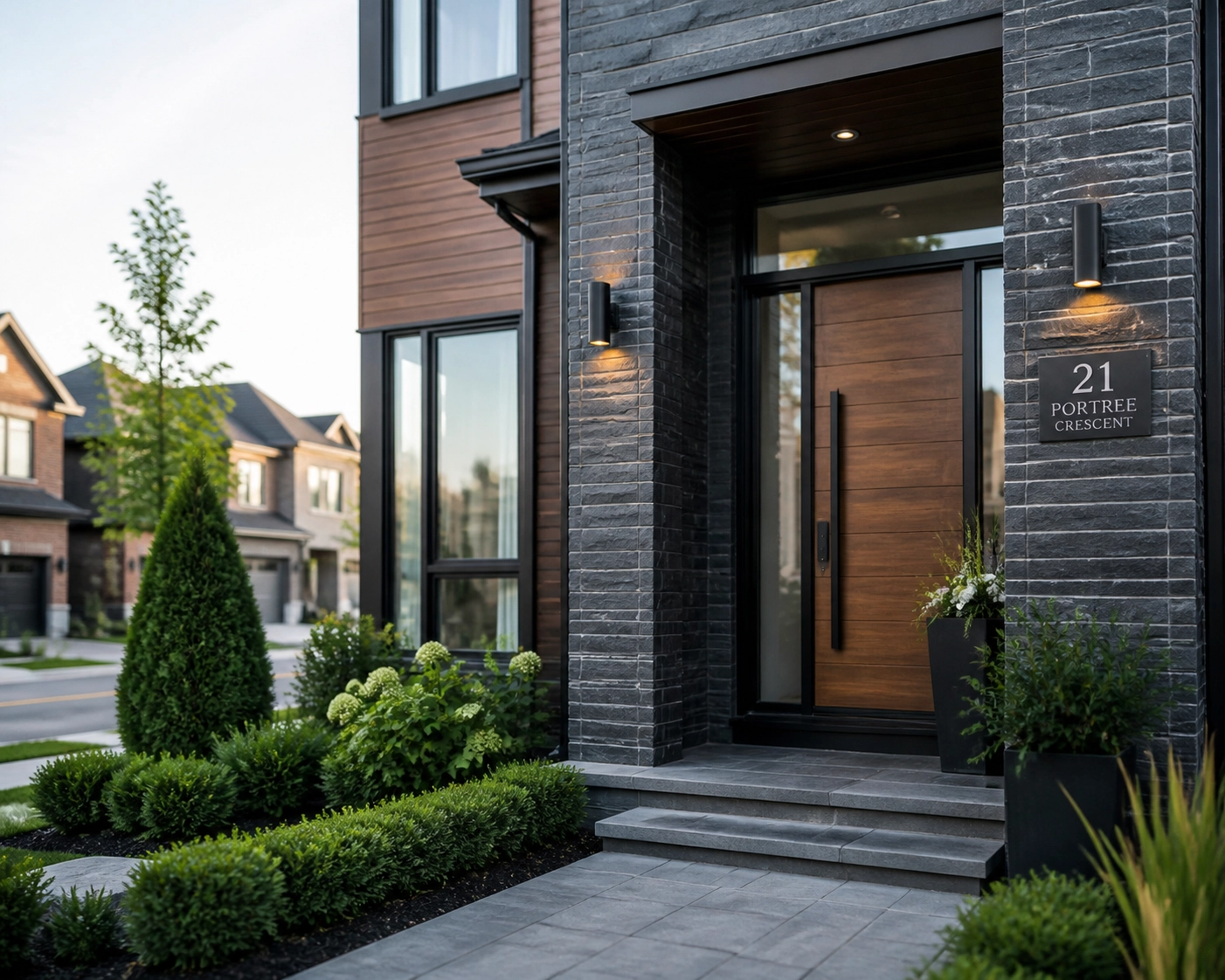
While Downtown Toronto remains the prestige play, the real investment logic is shifting toward the "Secondary GTA": areas like Innisfil, Bradford, and Newmarket. As the Greenbelt legislation and urban sprawl boundaries evolve, these areas offer something downtown often cannot: freehold pre-construction (townhomes and detached houses) at a lower entry price.
For Chinese-speaking investors, the cultural preference for "land" remains strong. Investing in a pre-construction townhome in Richmond Hill or Markham provides a different risk profile than a 500-square-foot condo. These assets tend to hold value better during market corrections and appeal to the growing demographic of families moving out of the core.
Conclusion: Navigating with Integrity
Buying pre-construction in Ontario is no longer a passive activity. It requires a deep dive into the Agreement of Purchase and Sale, a cold-eyed look at the developer's history, and a realistic assessment of the GTA's economic trajectory.
Cathy Dou, Broker of Record at BuyRealty.ca Brokerage, believes that the greatest asset a buyer has in a shifting market is clarity. Whether you are looking at a high-rise in North York or a master-planned community in Vaughan, ensure your "investment logic" is based on current data, not 2021 hype.
Real estate in Ontario is about navigating a complex regulatory environment with absolute integrity. By understanding the "secrets" of closing costs, HST rebates, and assignment restrictions, you position yourself to build a portfolio that survives: and thrives: through every market cycle.
If you are ready to explore the current pre-construction opportunities with a strategic, logic-driven approach, help is available.
Call Cathy at 647-691-6364
| Richmond Hill | Detached houses · Condos · Townhouses · New this week |
|---|---|
| Markham | Detached houses · Condos · Townhouses · New this week |
| Toronto | Detached houses · Condos · Townhouses · New this week |

