
Step 1: Plan before writing (internal)
- Article type: Thought-leadership + strategic how-to (investment playbook) with “myths vs. reality” framing.
- Images: Mix of generated photorealistic Ontario real estate visuals (hero + 3–4 section images). Avoid agent-branded graphics and clichéd props.
- Research needed:
- Ontario/GTA 2026 macro outlook (CMHC + market commentary)
- Rate environment context (Bank of Canada rate vs fixed mortgage pricing)
- Condo supply/rental dynamics and where negotiation leverage is in 2026
- Internal links from cathydou.com relevant to rates, market nuances, rent vs buy, condo update
The big picture: Ontario in 2026 is “selective”: not “speculative”
The most seasoned Mandarin-speaking investors in Ontario tend to treat 2026 like a positioning year. Not a year to chase headlines. Not a year to “all-in” pre-construction on hope. It’s a year to buy correctly: or to sit out confidently.
Across Ontario, the dominant themes are:
- A market that’s stabilizing, but not uniformly. Some segments are recovering in activity, while others (notably parts of the condo market) are still working through supply.
- Rates that feel “normal” again. Not cheap like 2020–2021, but more predictable than the whiplash years.
- Negotiation leverage is back. Days-on-market and listing competition vary by product type and neighbourhood, and that micro-detail is where good investors win.
CMHC’s housing market outlook has also pointed to Ontario underperforming national price growth in the near term, largely due to GTA softness: while activity can improve as affordability and rate stability help buyers re-enter. (See CMHC’s housing market outlook: https://www.cmhc-schl.gc.ca/professionals/housing-markets-data-and-research/market-reports/housing-market/housing-market-outlook)
From a compliance lens: none of this is a promise of returns. It’s a framework for understanding risk, timing, and leverage: exactly what Ontario investors should be doing under a regulated environment shaped by TRESA and RECO expectations.
What “seasoned Mandarin investors” quietly do differently in 2026
There’s no secret WhatsApp group that guarantees profits. But there are consistent behaviours many experienced Chinese-Canadian and Mandarin-speaking investors follow: often rooted in a mix of:
- capital-preservation mindset
- family-first planning (education corridors, long-term settlement)
- a strong preference for “explainable” investments (资产要讲得清楚:location, transit, schools, rentability)
Here are the big “secrets”: revealed plainly.
Secret #1: They follow the rate story: but they don’t worship it
Many newer investors still anchor on one number: the Bank of Canada overnight rate.
In reality, sophisticated buyers separate:
- overnight rate (BoC) → impacts variable-rate borrowing psychology and prime
- bond market → heavily influences fixed mortgage pricing
- lender spreads & risk premium → the “extra” cost added by lenders
On May 26, 2026, BuyRealty.ca Brokerage’s internal commentary highlighted a key nuance: the Bank of Canada overnight rate was 2.25%, yet fixed mortgage pricing can still sit meaningfully higher because fixed rates are tied to bond yields and lender risk pricing: not a direct 1:1 match.
If you want the clear breakdown in plain English, this internal article is worth reading:
Investor takeaway (2026): don’t build a purchase solely around “I think rates will drop.” Build around a deal that still works if rates stay flat.
Secret #2: They treat condos and freehold like different asset classes (because they are)
In the GTA, condos and freehold often behave like cousins: not twins.
In 2026, many forecasts and market watchers have highlighted that the condo segment may underperform in the near term due to completions and investor supply, while some low-rise/freehold pockets remain supported by scarcity and family demand. That doesn’t make condos “bad”: it makes them a pricing and negotiation game.
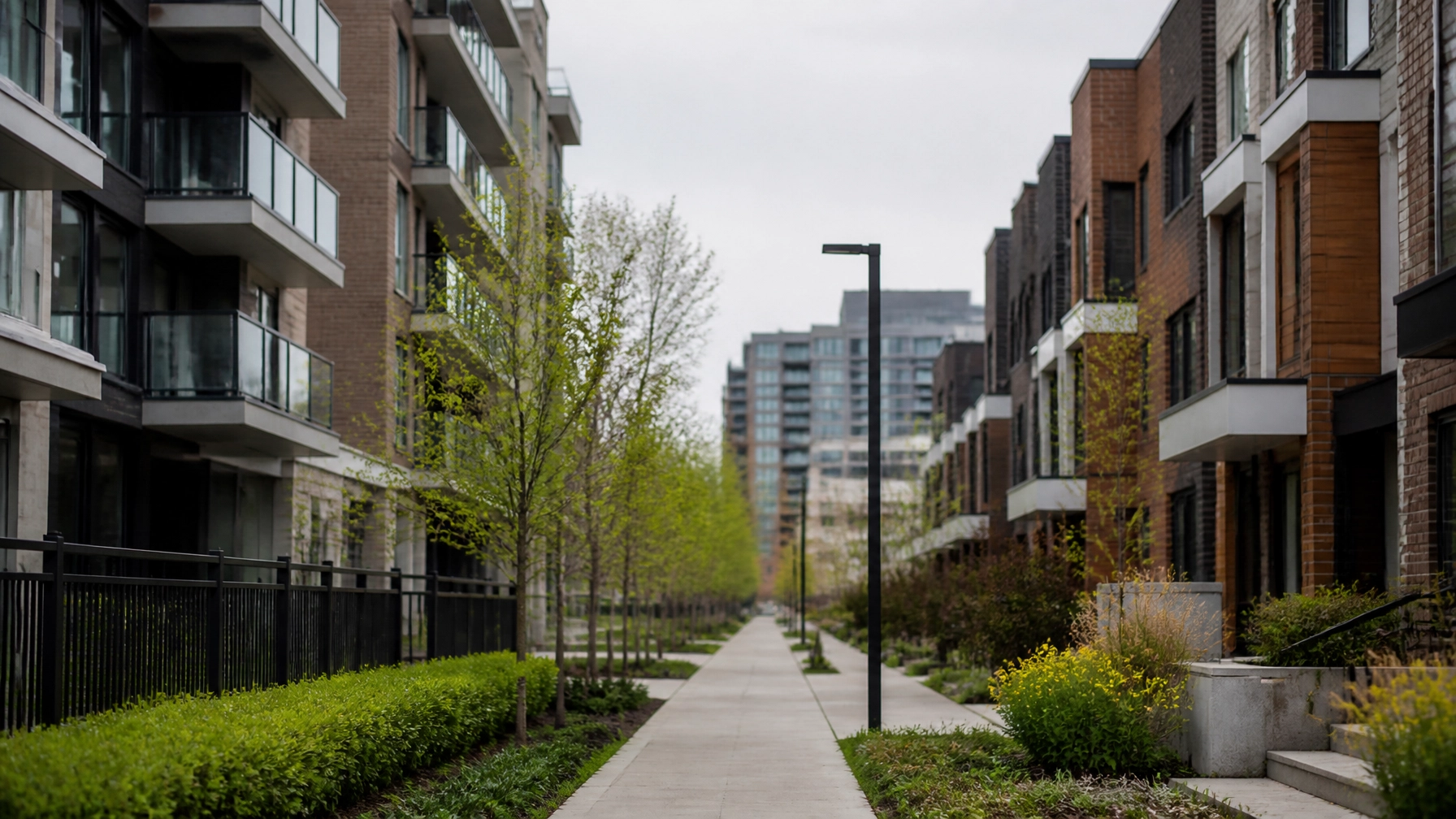
What seasoned investors look for in condos (2026 checklist thinking)
Instead of “Downtown = always up,” they evaluate:
- Rent depth: How many qualified tenants exist for that unit type right now?
- Maintenance fees vs. comparables: fees can quietly crush yield.
- Functional layout: 450 sq. ft. is fine; 450 sq. ft. with wasted hallways is not.
- Exit strategy: Who buys this from you later: first-time buyers, investors, downsizers?
For a more condo-specific reality check, there’s an internal cathydou.com article that frames the question the right way:
What seasoned investors look for in freehold
They’ll pay for:
- land component and long-run scarcity
- school catchments (the “education premium”)
- renovation flexibility (adding a legal suite or improving layout)
- neighbourhood resilience (how the area holds in a market correction)
Investor takeaway (2026): condos can offer negotiation leverage; freehold often offers scarcity value. The right answer depends on your return target (cash flow vs. equity growth) and your risk tolerance.
Secret #3: They don’t “buy Toronto.” They buy micro-markets (TRREB reality)
Most headline commentary is too broad to be useful.
Serious investors break the GTA into working zones: the core, the 905 education corridors, and the northern growth ring: then they choose a product that matches tenant and resale demand.
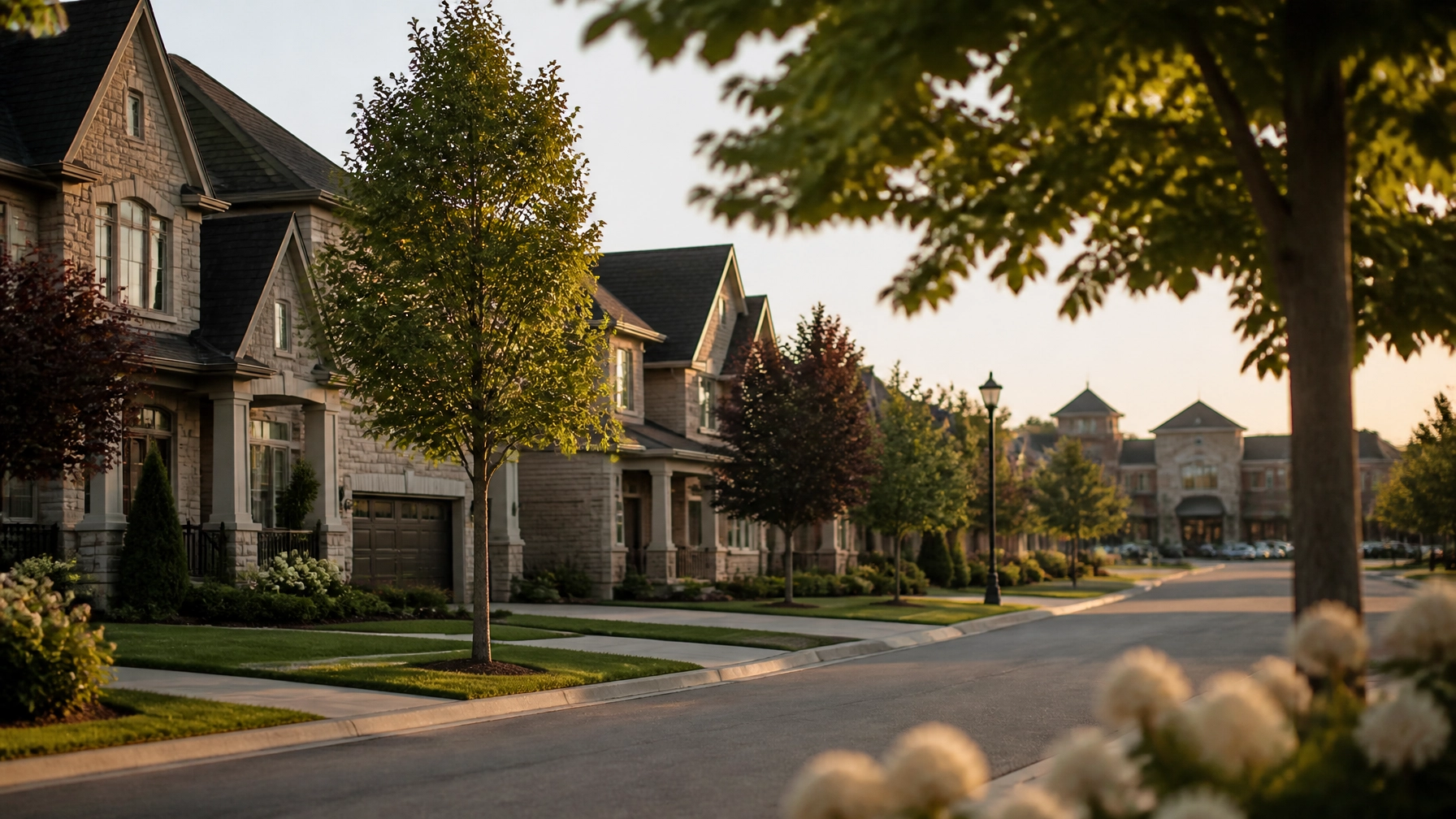
Practical micro-market lens investors use in 2026
- Toronto / North York: tenant demand is deep, but condo selection matters more than ever (layout, fees, building reputation).
- Richmond Hill / Markham / Thornhill: family-driven demand; school zones and transit access are major drivers.
- Vaughan: pockets behave differently: VMC density plays differently than established low-rise areas.
- Aurora / Newmarket: lifestyle + GO access can support stable demand, but price sensitivity is real.
- Bradford / Innisfil: more “value per sq. ft.” (metres & feet both matter here); investors watch infrastructure, commuting patterns, and rental comparables carefully.
For a broader “market nuance” overview that fits this top-down approach, see:
Investor takeaway (2026): market averages don’t buy houses: micro-markets do.
Secret #4: They underwrite rentals like a business, not a vibe
In Mandarin investor circles, you’ll often hear variations of:
- “这个房子好出租吗?” (Is it easy to rent?)
- “租客是谁?” (Who is the tenant profile?)
- “现金流扛得住吗?” (Can the cash flow carry?)
In 2026, rental conditions can vary by pocket. Some areas may see more condo rental listings due to completions; other areas remain structurally tight because ownership affordability still blocks many would-be buyers from purchasing.
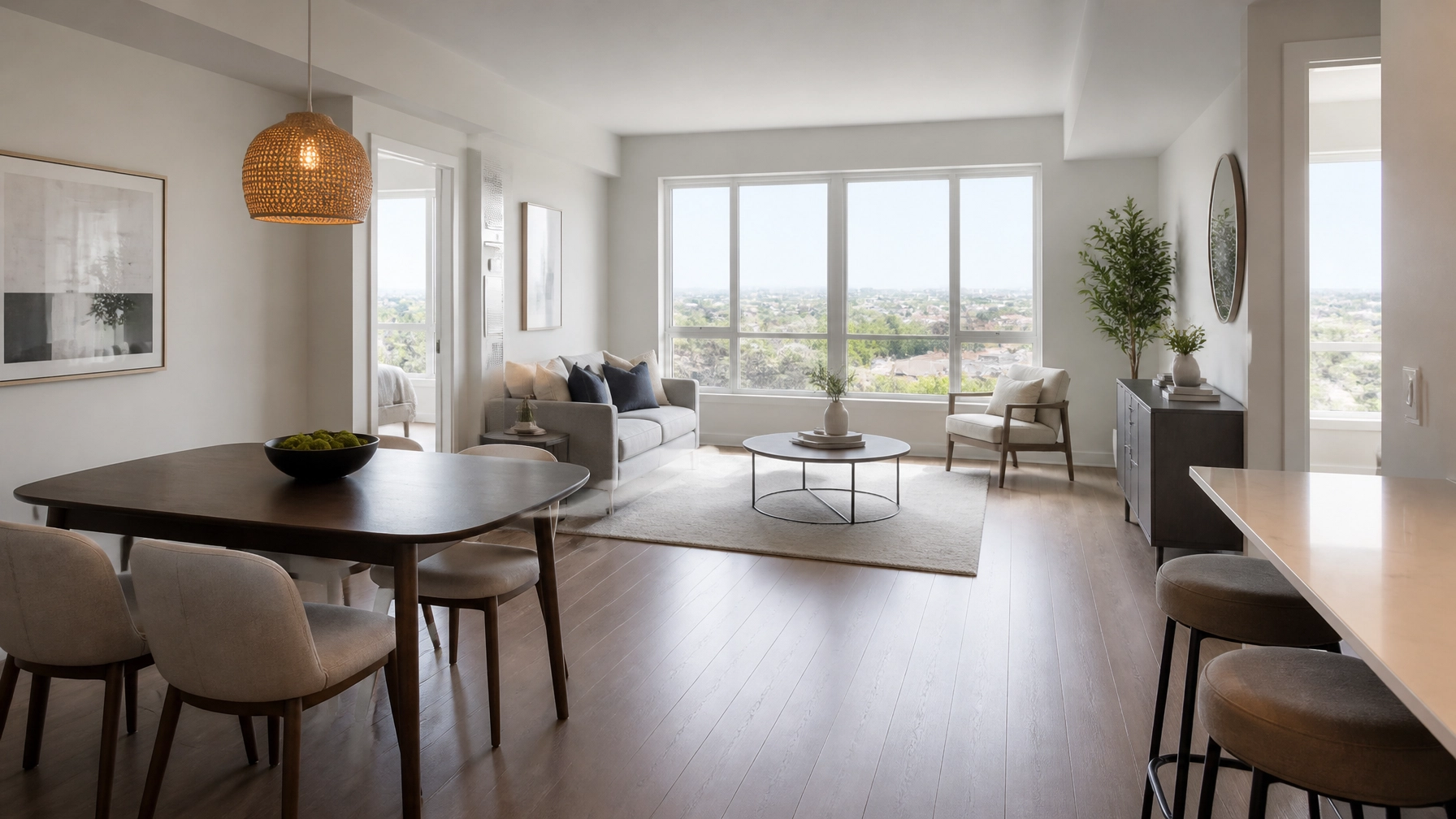
The seasoned rental underwriting mindset
They focus on three numbers:
-
Realistic rent (not optimistic rent)
Use current comparables, not last year’s peak. -
All-in carrying cost
Mortgage, condo fees, property taxes, insurance, utilities (if applicable), maintenance. -
Vacancy and tenant risk buffer
Even a “good” unit can sit. A proper buffer is risk management, not pessimism.
For investors toggling between owning and leasing strategies (or considering the “rent and invest elsewhere” logic), this internal article helps frame unrecoverable costs clearly:
Investor takeaway (2026): if the deal only works with perfect rent, perfect tenant, and perfect rates: it’s not a deal.
Secret #5: They take Ontario compliance seriously (because penalties are real)
Ontario real estate is not the Wild West. It is heavily regulated, and the expectations around disclosure, representation, and ethical conduct have only increased under The Trust in Real Estate Services Act (TRESA).
That’s one reason experienced investors prefer a process that is:
- document-heavy (on purpose)
- condition-friendly when warranted (financing, inspection, status certificate review)
- transparent in risk disclosures (known defects, condo docs, material facts)

This mindset is especially important for investors comparing:
- assignment vs resale
- condo corporation health
- renovation plans and permits
- tenant-occupied purchases (and the RTA realities)
Cathy Dou, Broker of Record at BuyRealty.ca Brokerage, is often direct about this: good negotiation is not just price: it’s risk mitigation, proper documentation, and clean conditions when needed. When referencing Cathy, use this contact link: Cathy Dou, Broker of Record.
Investor takeaway (2026): a “cheap” purchase can be expensive if you ignore legal and condo due diligence.
The 2026 “Mandarin investor playbook”: 5 moves that fit this cycle
If 2026 is a selective market, the strategy becomes simple (not easy):
-
Prioritize assets with a clear exit buyer
Families, first-time buyers, downsizers: be specific. -
Negotiate hard where supply is heavy
Especially in condo pockets where listings sit. -
Buy the spreadsheet, not the story
Yield, fees, taxes, reserves, vacancy assumptions. -
Stay culturally aware, but financially disciplined
Feng Shui, school zones, and community matter: just don’t let them override the math. -
Use a top-down lens, then go street-by-street
Ontario → TRREB reality → neighbourhood → building / block.
A note on foreign buyers (important, but personal to your status)
Rules affecting non-residents and foreign buyers can materially change feasibility and costs. Investors should verify eligibility and taxes with qualified professionals (legal/tax) before committing. The right structure depends on residency status and exemptions: there’s no responsible one-size answer in a general blog post.
Final word: 2026 rewards patience and precision
The real “secret” is that seasoned investors aren’t waiting for a miracle year. They’re using a calmer market to buy cleaner assets, write safer offers, and negotiate from data.
When you’re ready to evaluate a 2026 purchase the right way: Ontario-wide macro down to a specific GTA micro-market: work with a brokerage that treats compliance and strategy as part of the service, not an afterthought: BuyRealty.ca (BuyRealty.ca Brokerage).
Call Cathy at 647-691-6364

