
As we navigate through the second quarter of 2026, the Ontario real estate landscape has entered a phase that many seasoned professionals call the "Strategic Reset." After the volatility of the early 2020s and the policy-heavy shifts of 2024 and 2025, the market today is defined by one thing: clarity. For the sophisticated investor, the current environment in the Greater Toronto Area (GTA) offers a rare window where inventory is plentiful, and the "noise" of the market has subsided, leaving room for data-driven decisions.
Cathy Dou, Broker of Record at BuyRealty.ca Brokerage, observes that the 2026 market is no longer about racing to the bottom or the top; it is about navigating a complex regulatory and economic environment with precision. Success this year requires a departure from the speculative "flipping" mindset of the past and a return to the fundamentals of long-term wealth preservation and strategic yield.
The Ontario Macro View: Stability Over Speculation
From a provincial perspective, Ontario remains the primary engine of Canada’s economic growth, but the pace of that engine has shifted. In 2026, we see a housing market that is "fairly flat" in terms of rapid price appreciation, but exceptionally robust in terms of demand. The provincial government’s focus on meeting housing targets has led to a surge in secondary suite permissions and densification projects, creating a new "value-add" asset class for investors.
While the Bank of Canada has found its rhythm with an overnight rate that has stabilized around 2.25% to 2.5%, the real story for 2026 is the fixed-rate mortgage environment. Investors are finding that the Bank of Canada rate doesn't always tell the whole story, and understanding the nuances of bond yields and lender appetite is critical for securing profitable deals this year.

The GTA Deep Dive: A Buyer’s Advantage in the TRREB Region
Drilling down into the Toronto Regional Real Estate Board (TRREB) data for May 2026, we see a market that currently favours the patient buyer. With an average home price in the GTA hovering around the $1.03 million mark, the astronomical year-over-year gains of the previous decade have been replaced by a more sustainable 1-2% growth rate.
Inventory levels across the GTA have remained elevated, particularly in the condominium segment. This has created a unique dynamic where buyers hold significant negotiating power. However, the freehold market: particularly detached and semi-detached homes in established neighbourhoods: continues to show resilience. For investors, the strategy has shifted toward acquiring properties that offer multiple streams of income or those that sit on land with future redevelopment potential under the updated provincial density laws.
Local Market Highlights:
- Toronto Core: The condo market in the core is currently an "inventory-rich" environment. While price growth is stagnant, the rental demand remains at an all-time high due to the continued influx of newcomers and the high cost of homeownership for first-time buyers.
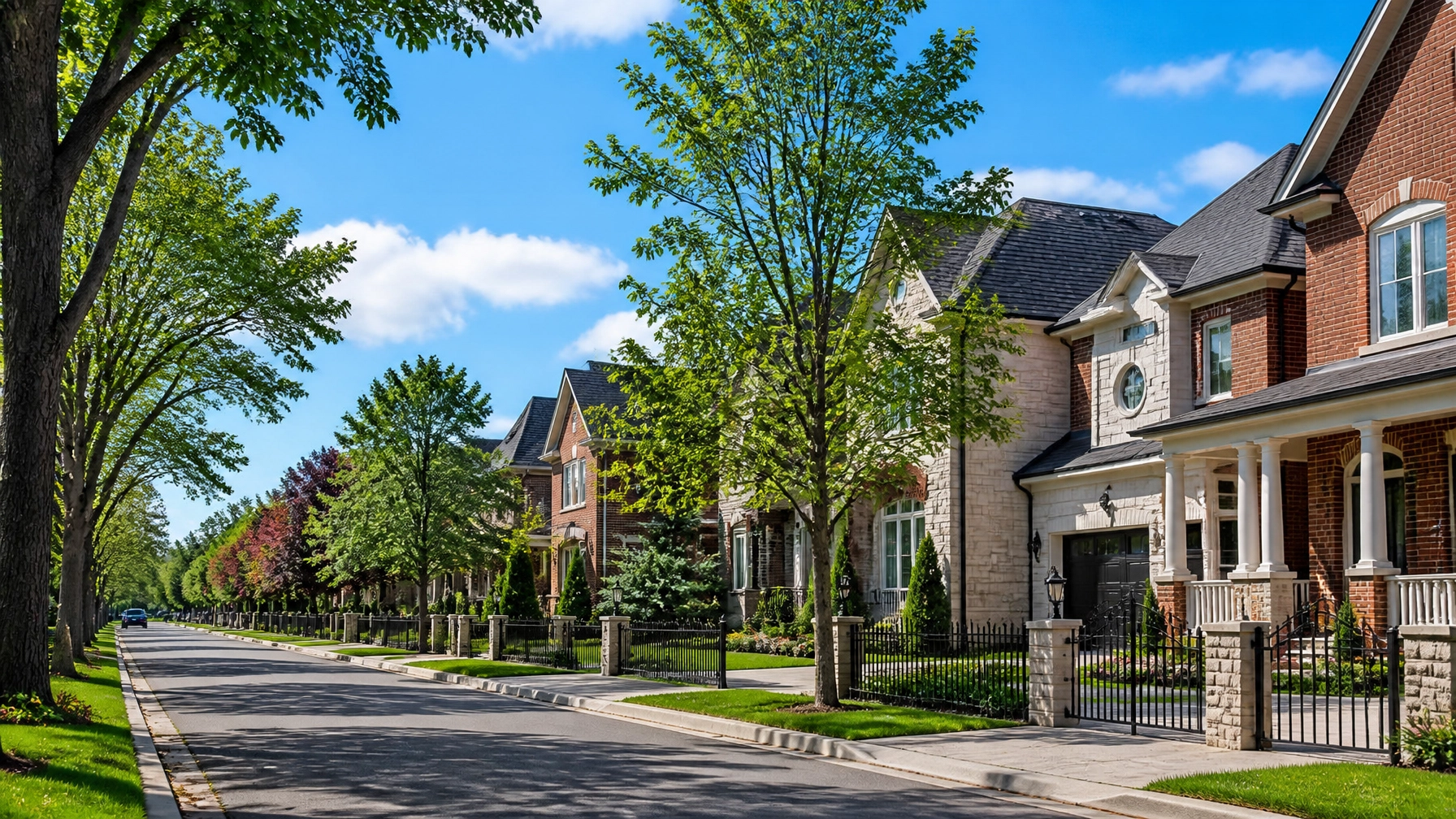
- Richmond Hill & Markham: These markets have transitioned into a phase of "quality over quantity." Investors here are focusing on high-end freeholds. In fact, many are finding that the secrets to Richmond Hill's market stability lie in the strong community ties and excellent school districts that ensure consistent demand regardless of broader market fluctuations.
- Vaughan & Aurora: These areas are benefiting from the "Metrolinx Effect," with proximity to transit hubs becoming the single most important factor for rental yield and long-term appreciation.
The TRESA Era: Navigating the 2026 Regulatory Landscape
One of the most significant shifts in the 2026 market is how we conduct transactions under the Trust in Real Estate Services Act (TRESA). This legislation has fundamentally changed the relationship between investors and their representatives. At BuyRealty.ca Brokerage, we emphasize that compliance is not just a hurdle; it is a tool for protection.
Cathy Dou, Broker of Record, advises that investors must be acutely aware of the following in today’s market:
- Open Offer Transparency: Sellers now have the option to disclose details of competing offers. As an investor, your agent must be skilled in interpreting these disclosures to ensure you aren't overpaying in a multi-offer scenario.
- Designated Representation: Understanding whether you are in a "Designated Representation" or "Multiple Representation" situation is vital. It affects the level of advice and confidentiality you receive during a negotiation.
- Self-Represented Party (SRP) Risks: The 2026 market has no room for the unrepresented. The risks of navigating complex TRESA disclosures without a registered Broker or Salesperson are higher than ever, especially regarding latent defects and material disclosures.
To truly succeed, one must understand the market nuances that often go unmentioned in headlines.
Investment Logic: Why 2026 is the Year of the "Prudent Professional"
The "get rich quick" schemes of the previous years have faded, replaced by a sophisticated approach to real estate. For investors in the Ontario market, the 2026 playbook looks like this:
1. The Condo Conundrum
With inventory levels high, the condo market is a "yield play" rather than an "appreciation play." If you can secure a unit with a low price-per-square-foot in a high-demand rental area like North York or the Toronto waterfront, the rental income can offset the flat price growth. However, caution is advised with pre-construction assignments, which carry higher risk in a flat-price environment.
2. The Multi-Generational Shift
The most successful investors in 2026 are those converting single-family freeholds into legal multi-unit dwellings. With the provincial government’s push for "missing middle" housing, the path to obtaining permits for secondary suites (basement apartments, garden suites) has been streamlined. This allows investors to significantly increase their Gross Rent Multiplier (GRM) on a single asset.
3. Negotiating from Strength
In a market where properties stay on the market for 30-45 days rather than 3 days, negotiation is an art form. Cathy Dou, as a Real Estate Agent and Broker of Record, excels at navigating these extended negotiations. Whether it's securing a "subject to sale" condition or negotiating a significant price reduction based on a detailed home inspection, the power has shifted back to the buyer.

Conclusion: Preparing for the 2027 Rebound
While 2026 is a year of consolidation and flat prices, historical cycles suggest that this is the calm before the next wave of growth. With housing starts at 20-year lows due to the construction slowdown of 2024-2025, the "supply crunch" is expected to return with a vengeance by late 2027. Investors who acquire well-located, cash-flowing assets today will be the ones who benefit most when the market inevitably tightens.
Real estate in Ontario isn't just about the transaction; it’s about navigating a complex regulatory environment with absolute integrity. As Broker of Record, Cathy Dou’s focus is on ensuring that clients are provided with a protected, strategic path to homeownership and investment success. In a shifting market, clarity is the greatest asset we can offer.
If you are looking to build your portfolio or navigate the current Ontario market with confidence, the team at BuyRealty.ca Brokerage is here to guide you. We take pride in explaining the intricacies of the 2026 market to ensure your largest financial assets are protected and positioned for growth.
Call Cathy at 647-691-6364

