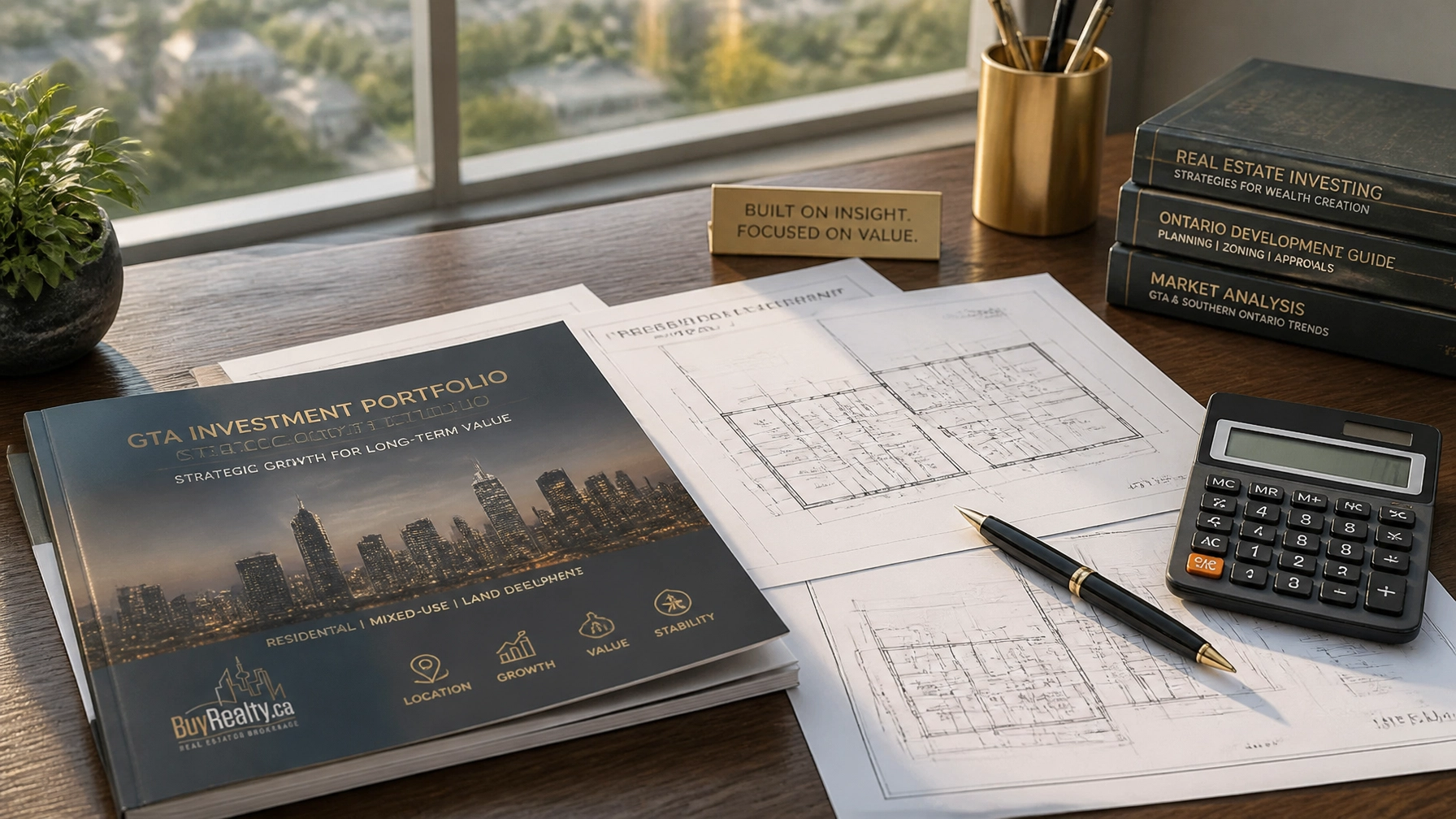
Investing in the Greater Toronto Area (GTA) has long been a hallmark of wealth creation in Ontario. However, the market of 2026 is vastly different from the frenzy of 2021. Navigating this landscape requires more than just capital; it requires a sophisticated understanding of new provincial legislation, shifting demographic patterns, and the nuanced financial realities of a post-correction environment.
Cathy Dou, Broker of Record at BuyRealty.ca Brokerage, advises clients to approach investment through both quantitative metrics and qualitative community factors. In a market where the margin for error has slimmed, identifying these common pitfalls is the first step toward securing a protected, profitable portfolio.
From the high-density corridors of North York and Vaughan to the expanding residential hubs of Newmarket, Aurora, and Bradford, the opportunities are vast: but only for those who avoid these seven critical mistakes.
1. Operating with 2021 Assumptions in a 2026 Reality
The most frequent error observed today is "anchoring": the tendency for investors to base their 2026 decisions on the market conditions of five years ago. In 2021, cheap capital and double-digit annual appreciation masked many fundamental flaws in property selection.
Today, with interest rates stabilized at a higher "new normal" and stricter stress-testing from the Office of the Superintendent of Financial Institutions (OSFI), the "buy and hope" strategy is obsolete.
The Fix:
Shift your focus from speculative appreciation to sustainable cash flow. Underwrite every deal assuming a conservative 2% to 3% annual growth rate. If the numbers only work if the property value jumps by 10% in twelve months, it is not an investment; it is a gamble. Cathy Dou recommends running a "sensitivity analysis" on every potential acquisition to see how it performs if interest rates rise another 1% at your next renewal.
2. Ignoring TRESA Compliance and Representation Nuances
The Trust in Real Estate Services Act (TRESA) has fundamentally changed how real estate is practiced in Ontario. Many investors still believe that the listing agent "represents" them simply because they are showing the house. This misunderstanding can lead to a significant loss of fiduciary protection.
The Fix:
Understand the difference between being a Client and a Self-Represented Party. As a client of BuyRealty.ca Brokerage, you are owed a fiduciary duty: meaning your interests are protected by law. If you remain a self-represented party, the agent cannot provide you with opinions or advice that would disadvantage their own client.
Furthermore, be aware of the "open offer" process. Under TRESA, sellers can now choose to disclose the contents of competing offers (excluding personal information). Failing to ask your agent about the seller’s disclosure settings could leave you bidding in the dark while others have a clearer view of the field.

3. Underestimating the "Toronto Double Tax" and Closing Costs
A common mistake for those moving capital from the 905 area code into the 416 is forgetting that the City of Toronto imposes its own Municipal Land Transfer Tax (MLTT) on top of the Ontario Provincial Land Transfer Tax. On a $1.2 million investment property, this can add tens of thousands of dollars to your closing costs overnight.
The Fix:
Always calculate your closing costs as 3% to 5% of the purchase price. This should include:
- Provincial and Municipal Land Transfer Taxes.
- Legal fees and title insurance.
- Adjustments for prepaid property taxes and utilities.
- HST on new builds (if applicable) and potential rebates.
For a deeper dive into how these costs impact your bottom line, review our guide on what experts don't want you to know about rental yields.
4. Underestimating the Residential Tenancies Act (RTA) and LTB Delays
Ontario has some of the strongest tenant protections in North America. Many novice investors assume they can "just increase the rent" to match their mortgage payments or "evict for a renovation" without consequence. In reality, illegal rent increases or improper N12/N13 notices can lead to massive fines and years of litigation at the Landlord and Tenant Board (LTB).
The Fix:
Screening is your best defense. Perform comprehensive background checks, including credit history, employment verification, and previous landlord references. Ensure you are using the current Standard Ontario Lease. Most importantly, factor in "vacancy and maintenance" reserves of at least 5% of your gross annual rent to cover potential turnover periods or LTB delays.
5. Location Tunnel Vision: Focusing Only on the Core
While Downtown Toronto remains a global hub, many investors miss higher-yield opportunities by ignoring the "Golden Horseshoe" expansion. Areas like the Vaughan Metropolitan Centre (VMC), Richmond Hill’s transit corridors, and the growing tech-and-residential mix in Markham often offer better price-to-rent ratios than the downtown core.
The Fix:
Follow the infrastructure. Look for areas with planned GO Transit expansions, new hospital developments, or university satellite campuses. For instance, comparing VMC condos versus Woodbridge detached homes reveals how different asset classes in the same city can serve entirely different investment goals. Diversifying across the GTA: from North York to Innisfil: can mitigate the risk of a localized market cooling.

6. Speculating on Pre-Construction Assignments
The "assignment flip" was the darling of the 2010s. Investors would put 20% down on a pre-construction condo and sell the contract before closing for a tidy profit. However, in 2026, many builders have tightened assignment clauses, and the CRA has increased scrutiny on whether these profits are taxed as capital gains or business income.
The Fix:
Never buy pre-construction if you cannot afford to close on it. You must be prepared to secure a mortgage and hold the property as a long-term rental if the assignment market is soft at the time of completion. Review the latest Toronto housing market forecast to ensure the sub-market you are entering isn't facing an oversupply of similar units upon completion.
7. Failing to Establish a Professional Ownership Structure
Buying an investment property in your personal name might be the simplest path, but it is rarely the most efficient for serious investors. Without professional guidance on whether to hold assets personally, in a corporation, or through a joint venture, you may be overpaying in taxes or exposing yourself to unnecessary liability.
The Fix:
Before signing an Agreement of Purchase and Sale, consult with a tax professional and your real estate team at BuyRealty.ca Brokerage. Proper structuring can help with:
- Tax deferral through corporate holdings.
- Estate planning and smooth transition of assets to heirs.
- Liability protection to isolate your personal assets from property-related risks.

Conclusion: Strategy Over Speculation
Real estate in Ontario isn't just about the transaction; it’s about navigating a complex regulatory environment with absolute integrity. As Broker of Record, Cathy Dou focuses on ensuring our clients have a protected, strategic path to wealth. In a shifting market, clarity is the greatest asset we can offer.
The GTA market remains one of the most resilient in the world, backed by record-high immigration and a chronic housing shortage. By avoiding these seven common mistakes and working with a brokerage that understands the intricacies of TRESA and local zoning, you can build a portfolio that thrives in any cycle.
If you are looking to buy, sell, or lease in Toronto, Vaughan, Markham, or the surrounding regions, ensure you have the right guidance to navigate the complexities of today's market.
Call Cathy at 647-691-6364.

