
The Greater Toronto Area (GTA) real estate landscape as of 2026年5月23日星期六 looks remarkably different than it did during the frantic peaks of 2022. For investors navigating this "Reset Era," the fundamental question remains: where should capital be deployed for the best Return on Investment (ROI)? Specifically, does a one-bedroom unit offer better agility, or does the two-bedroom unit provide the stability and cultural appeal required for long-term wealth preservation?
Cathy Dou, Broker of Record at BuyRealty.ca Brokerage, advises clients to approach this comparison through both quantitative metrics and qualitative community factors. 截至2026年5月23日星期六,加拿大央行隔夜利率 remains at 2.25% and the best 5-year fixed mortgage rate(5年期固定利率) is holding steady at 4.04%, making the math behind condo investments much clearer than in years past.
The Big Picture: Ontario’s Condo Correction and Recovery
To understand the 1-bedroom versus 2-bedroom debate, one must first look at the broader Ontario market. After a correction that saw GTA condo prices settle nearly 30% below their 2022 highs, we are currently seeing a "floor" established at an average price point of approximately $542,200.
This correction has been a healthy recalibration for the Toronto Regional Real Estate Board (TRREB) zones. In areas like North York, Markham, and Richmond Hill, the "speculative foam" has evaporated, leaving behind a market driven by end-user demand and professional investors focused on yield rather than just rapid appreciation.
The 1-Bedroom Logic: Yield and Liquidity
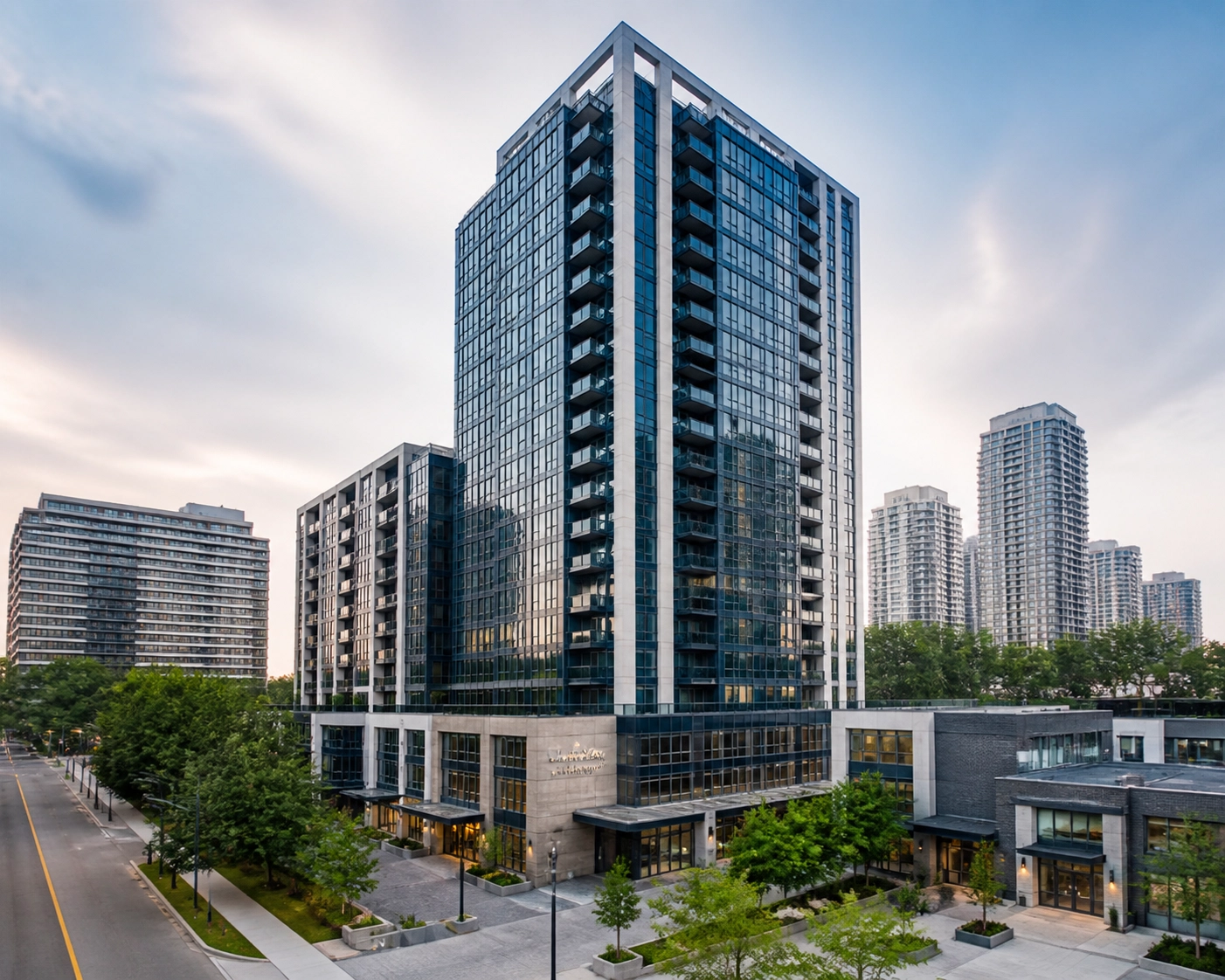
Traditionally, the one-bedroom condo has been the entry-level darling of the GTA investment world. In 2026, this remains true, particularly in high-density employment hubs like Downtown Toronto and the North York Centre.
Why Investors Choose 1-Bedrooms:
- Lower Barrier to Entry: With prices having reset, a one-bedroom in a secondary hub like Vaughan or Aurora is significantly more accessible for first-time investors.
- Rental Demand: One-bedroom units consistently account for over 50% of all leasing activity across the GTA. The demographic of young professionals and international students remains the most robust rental segment.
- Efficiency: Carrying costs: including property taxes and maintenance fees: are lower. For an investor looking for a "hands-off" turnkey investment, the 1-bedroom often provides a simpler management experience.
However, Cathy Dou, Broker of Record, notes that while 1-bedrooms offer high liquidity, they also experience higher turnover rates. In a market where the Trust in Real Estate Services Act (TRESA) mandates high levels of transparency and ethical conduct, managing frequent tenant transitions requires a diligent approach to paperwork and compliance.
The 2-Bedroom Logic: The "Cultural Nuance" and Family Stability
For the Chinese-Canadian investment community, the logic often shifts toward the two-bedroom unit. This isn't just about square footage; it’s about a cultural preference for flexibility and long-term utility.
The "Plus One" Advantage
In many cultural contexts, a second bedroom isn't just a guest room. It represents:
- Multigenerational Support: Space for parents visiting from overseas for extended periods.
- The "Roommate Strategy": With the cost of living in the GTA, many tenants now seek 2-bedroom units to split costs with a roommate, often resulting in higher total monthly rent than a single tenant in a 1-bedroom could afford.
- Resale Resilience: Historical data shows that 2-bedroom units make up approximately 48% of condo sales. When it comes time to exit the investment, the pool of buyers includes not just investors, but also small families and downsizers.
In Richmond Hill and Markham, where family-centric demographics dominate, a 2-bedroom unit is often viewed as a "safer" asset. It is less sensitive to the fluctuations of the student rental market and more aligned with the needs of the local workforce.

Comparing the Numbers: ROI in 2026
Let’s look at the current financial reality. If you are looking at a condo in a high-growth area like Newmarket or Pickering:
- 1-Bedroom: Average purchase price might hover around $480,000. 截至2026年5月23日星期六,at a 4.04% fixed rate, the carrying costs are manageable, and the rental yield often nears "break-even" or slight positive cash flow depending on the down payment.
- 2-Bedroom: Average purchase price might be closer to $650,000. While the rent is higher (often $600–$800 more per month than a 1-bedroom), the maintenance fees and property taxes also scale up.
The strategic choice often comes down to the Price per Square Foot. In 2026, we are seeing some 2-bedroom units in suburban hubs like Durham or Innisfil trading at $1,100 per square foot, which offers a competitive entry point compared to the $1,400+ often seen in the core.
Geographic Nuances: Where to Buy?
BuyRealty.ca Brokerage monitors several key sub-markets that show varying performance for different unit types:
- Toronto Core: 1-bedroom units remain king here due to the proximity to the Financial District and universities.
- Markham & Richmond Hill: 2-bedroom units are the preferred investment due to the high concentration of families and the preference for "extra space" for home offices.
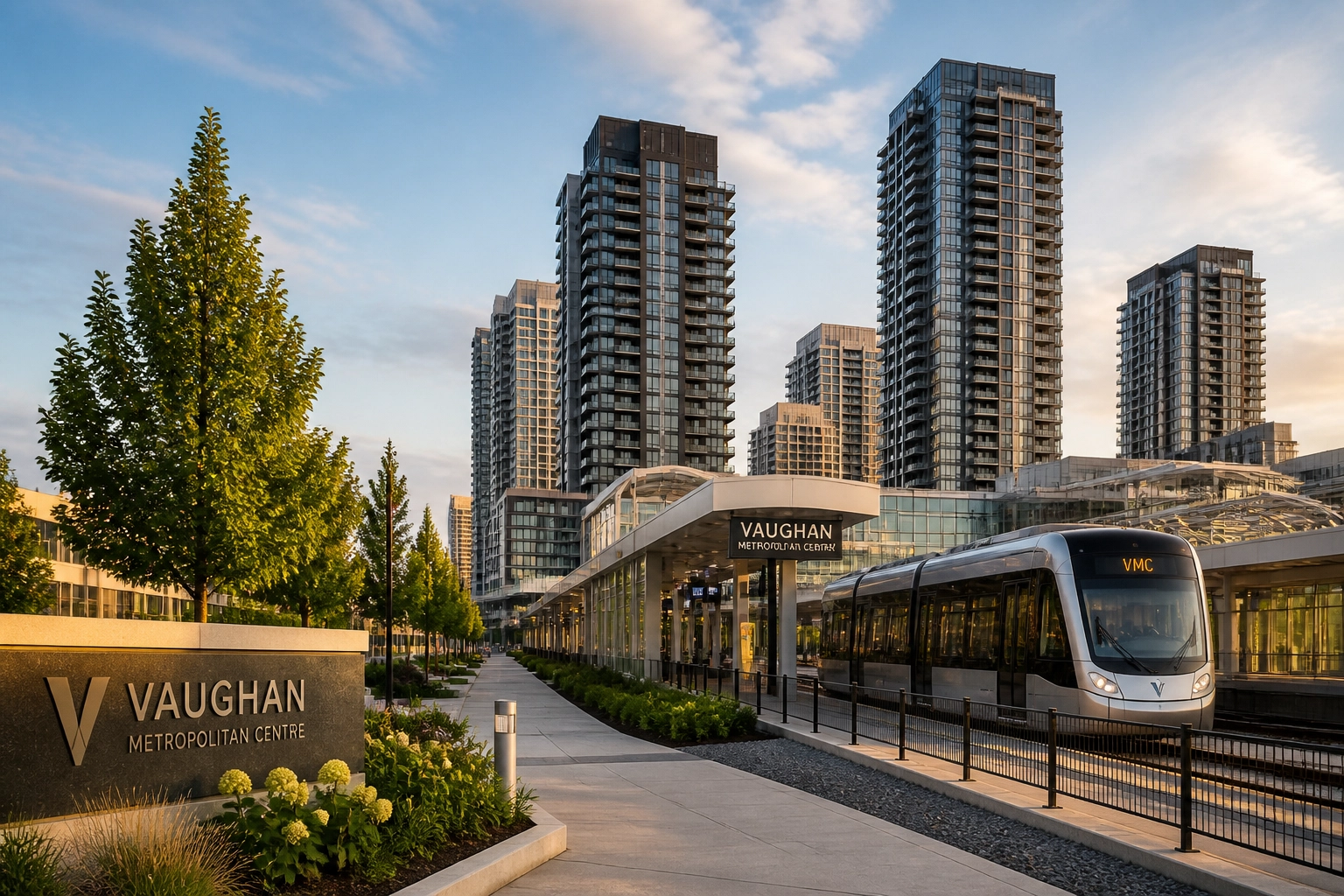
- Vaughan & North York: These areas offer a hybrid. With the subway extension, 1-bedroom units here act as a "relief valve" for Toronto workers, while 2-bedrooms attract those wanting a suburban lifestyle with urban transit access.
Cathy Dou advises that investors must perform due diligence on the Agreement of Purchase and Sale, paying close attention to any "right to lease during occupancy" clauses if buying pre-construction, which can significantly impact early ROI.
Cultural Considerations for the Chinese Investor
In the Chinese-Canadian market, real estate is often viewed as a legacy asset. There is a strong preference for "New" or "Turnkey" properties. A 2-bedroom unit in a reputable building with a strong "reputation" (often influenced by the developer’s track record) holds its value better within this community.
Layout also matters. A "split-bedroom" floor plan: where the living room separates the two bedrooms: is highly prized for privacy, making it easier to rent to two separate individuals or to accommodate visiting family members without sacrificing personal space. Cathy Dou, Broker of Record, often points out that these "functional" layouts see much shorter days-on-market when listed for lease or sale.
Risks and Mitigation
Investing in 2026 requires a sober look at the risks. While the market has corrected, the "Urban Sprawl" and changing Greenbelt legislation continue to shift where future supply will land.
- Maintenance Fees: Always investigate the Status Certificate. A 2-bedroom unit with high fees can quickly erode your cap rate.
- Tenant Rights: Ontario’s regulatory environment is tenant-friendly. Cathy Dou emphasizes the importance of professional tenant screening to protect your investment.
- Market Volatility: While the 29.6% drop from 2022 is largely behind us, the market is in a "sideways" phase. Long-term holding (5–10 years) is the recommended strategy.
Conclusion: Which is the Winner?
There is no "one-size-fits-all" answer, but the 2026 data suggests a trend:
- Choose a 1-Bedroom if your goal is maximum liquidity and a lower entry price point in the Toronto core.
- Choose a 2-Bedroom if you are looking for long-term stability, higher resale potential among end-users, and want to appeal to the broader family-oriented demographics of Markham, Richmond Hill, and Vaughan.
For more detailed market reports on specific neighbourhoods like Aurora or Thornhill, or to discuss the latest TRREB data, professional guidance is essential. Navigating the Trust in Real Estate Services Act (TRESA) and ensuring your investment is compliant and protected is the priority at BuyRealty.ca Brokerage.
Investing in GTA real estate is about more than just the transaction; it’s about a protected, strategic path to wealth. Whether you are looking for a turnkey 1-bedroom or a spacious 2-bedroom for your portfolio, the current market reset offers a rare window to enter at a corrected price point.
For more insights on the Ontario market, visit our latest market analysis or explore our investment guides.
Call Cathy at 647-691-6364

