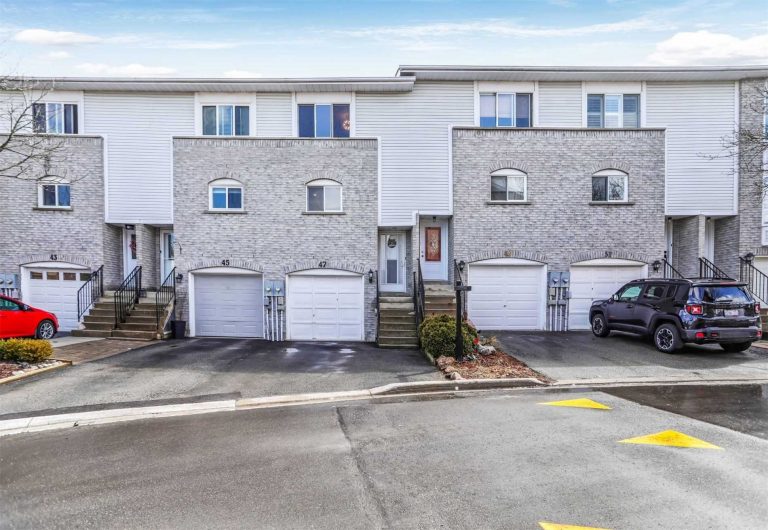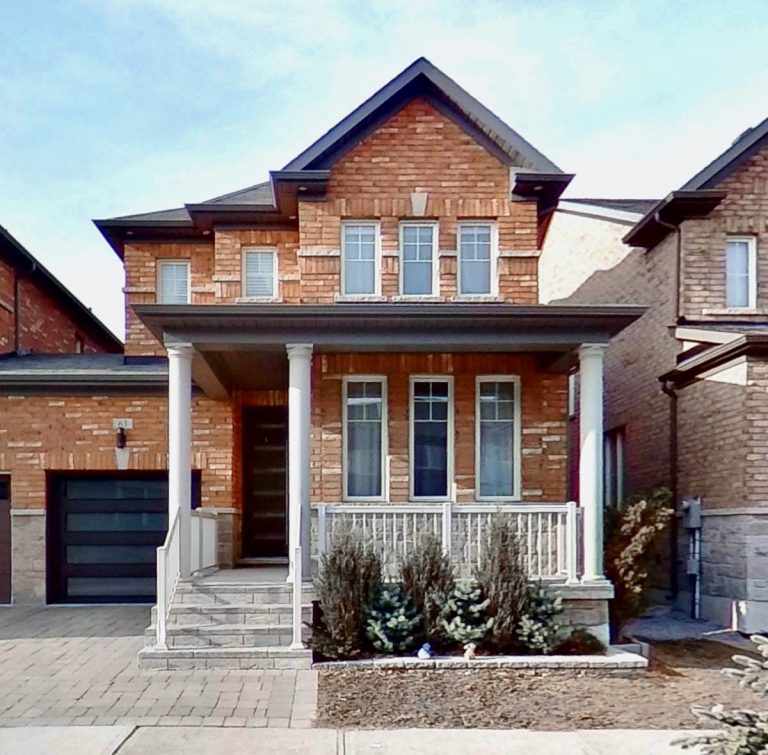
The Ontario real estate market in 2026 presents a fundamentally different landscape than the frenzied conditions of 2021 and 2022. For first-time buyers, this shift represents a strategic opportunity, provided you understand the provincial regulatory framework, available incentives, and local market dynamics that will shape your purchase. For a step-by-step overview, see our guide on how to buy a house in ontario.
At BuyRealty.ca Brokerage, our approach centers on navigating this complexity with absolute precision. As Cathy Dou, Real Estate Agent and Broker of Record, my focus is on ensuring first-time buyers enter the market with both financial advantage and regulatory protection.
The Provincial Framework: Understanding Your Legal Position
Under The Trust in Real Estate Services Act (TRESA), every transaction in Ontario operates within a defined structure of consumer protection and disclosure obligations. First-time buyers must understand that their relationship with a real estate professional is governed by specific duties, including representation, customer service, or designated representation.
This isn't merely procedural. The distinction determines how information flows, what fiduciary duties exist, and how your interests are protected throughout the Agreement of Purchase and Sale process.

Provincial Land Transfer Tax Relief: Your First Strategic Advantage
Ontario's Land Transfer Tax (LTT) rebate remains the most substantial provincial incentive for first-time buyers. Eligible purchasers receive a $4,000 rebate on the provincial portion of land transfer tax. For those purchasing within the City of Toronto, an additional municipal rebate of up to $4,475 is available, bringing the potential relief to $8,475.
Qualification requirements are specific:
- Minimum age of 18 years
- No previous ownership of property anywhere globally
- Occupation of the property as the principal residence within nine months of closing
The final criterion is critical. Investment purchases or properties intended for rental use do not qualify. This is a principal residence requirement, and misrepresentation carries serious legal consequences.
For perspective: on a $700,000 freehold property in Toronto, the combined land transfer taxes would typically exceed $15,000. The rebate reduces this burden substantially, freeing capital for closing costs or post-purchase renovations.
Federal Incentive Programs: Building Your Financial Strategy
First Home Savings Account (FHSA)
The FHSA represents the most tax-efficient savings vehicle currently available for first-time buyers. You may contribute up to $8,000 annually with a lifetime maximum of $40,000.
The structure offers dual tax advantages:
- Contributions are tax-deductible (reducing your current taxable income)
- Withdrawals for qualifying home purchases are completely tax-free
Unlike the Home Buyers' Plan, there is no repayment obligation. This is permanent tax-free capital for your purchase.
Strategic timing matters. Opening your FHSA well in advance of your intended purchase date allows your contributions to grow tax-free, maximizing the capital available at closing.
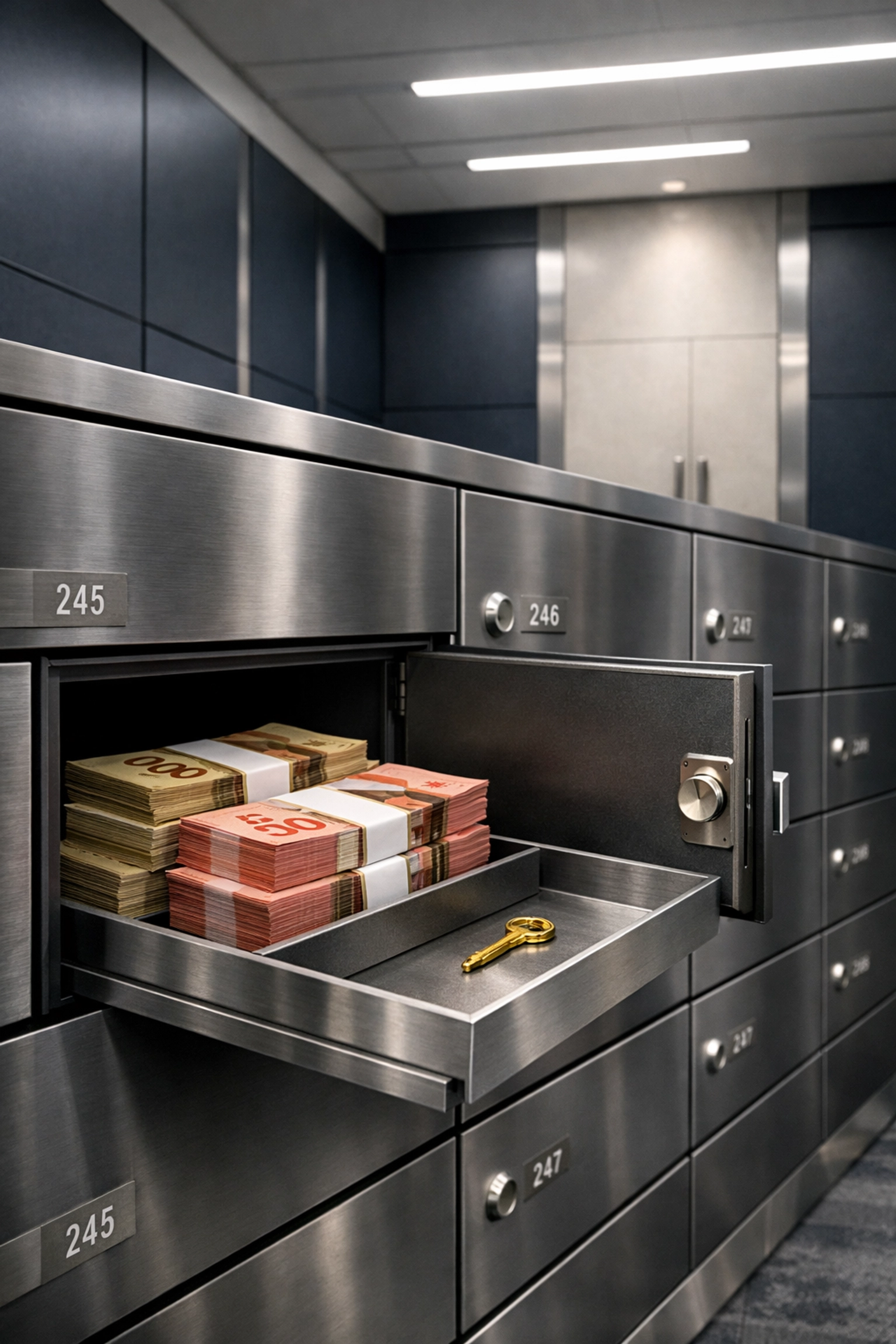
If you’re trying to size up the numbers, start with a clear breakdown of the down payment in ontario and how it impacts mortgage qualification, closing costs, and stress-test comfort.
Home Buyers' Plan (HBP)
The HBP permits withdrawals of up to $60,000 from your RRSP (or $120,000 for couples) for a qualifying home purchase. The withdrawal is tax-free, but repayment is required over 15 years.
This program works most effectively when combined with the FHSA. Together, a couple could access up to $200,000 in tax-advantaged capital ($80,000 from combined FHSAs and $120,000 from combined RRSPs).
The repayment structure requires careful planning. Missing annual repayment amounts results in those sums being added to your taxable income for that year: a financial consequence that can be substantial.
First-Time Home Buyers' Tax Credit (HBTC)
This non-refundable federal tax credit provides up to $1,500 in tax relief. While less substantial than other programs, it represents additional savings on closing costs or immediate post-purchase expenses.
The credit applies to eligible closing costs, including legal fees, property inspections, and certain moving expenses.
GST/HST Rebate for New Construction
Recent federal legislation expanded the GST/HST rebate for new homes. Eligible first-time buyers purchasing newly constructed properties valued 100% of the federal GST portion: potentially $50,000
Partial rebates apply to properties valued between $1 million and $1.5 million, creating a sliding scale of benefit.
This incentive fundamentally changes the economics of new construction purchases for first-time buyers. In markets where pre-construction condominiums or newly built freehold homes are available, the rebate can offset a significant portion of the purchase premium typically associated with new builds.

Local Market Context: TRREB, RAHB, and Regional Dynamics
Ontario's real estate landscape is not monolithic. The Toronto Regional Real Estate Board (TRREB) reports markedly different conditions than the Realtors Association of Hamilton-Burlington (RAHB) or boards in Waterloo Region or Ottawa.
As of early 2026, TRREB data indicate that average prices in the Greater Toronto Area have stabilized following the 2022-2024 correction period. Inventory levels have normalized, eliminating the bidding war conditions that previously disadvantaged first-time buyers.
In the 905 regions: Mississauga, Vaughan, Richmond Hill, and Markham, suburban freehold properties show more favourable pricing relative to downtown Toronto condominiums. For first-time buyers prioritizing space over urban proximity, these markets warrant serious consideration.
Hamilton and Burlington continue to attract first-time buyers seeking lower entry prices while maintaining reasonable commuting access to the Greater Toronto Area. However, these markets have seen corresponding price increases as demand shifted during the pandemic period.
Southwestern Ontario markets, including Kitchener-Waterloo and London, offer substantially lower entry prices but require consideration of employment opportunities and long-term appreciation potential.
Strategic Planning: Combining Incentives and Market Timing
The most effective approach integrates multiple incentive programs:
- Open and fund your FHSA immediately, even if your purchase timeline is 12-18 months out. This maximizes tax-deductible contributions and allows for tax-free growth.
- Coordinate your HBP withdrawal timing with your firm's purchase agreement, ensuring funds are available for your deposit structure and closing.
- For new construction purchases, verify GST/HST rebate eligibility with your legal counsel before signing the Agreement of Purchase and Sale. The timing of construction completion and occupancy affects rebate qualification.
- Understand your LTT rebate qualification and factor the $4,000-$8,475 relief into your closing cost calculations. This is not optional capital: it's guaranteed savings for qualifying buyers.

Due Diligence and Professional Guidance
First-time buyers must engage qualified professionals throughout the purchase process:
- Real Estate Legal Counsel: Essential for reviewing Agreements of Purchase and Sale, title searches, and ensuring proper registration of your LTT rebate claim.
- Home Inspectors: Critical for identifying latent defects or material issues not apparent during showings. In Ontario's regulatory environment, disclosure obligations exist, but inspection remains your primary protection.
- Mortgage Professionals: Interest rate environment, mortgage default insurance requirements, and stress test qualification all require expert guidance to structure optimal financing.
At BuyRealty.ca Brokerage, we coordinate these professional relationships while maintaining our fiduciary duty to your interests throughout the transaction.
The Path Forward
Ontario's first-time buyer landscape in 2026 favours those who approach the market strategically. The combination of provincial LTT rebates, federal FHSA and HBP programs, and expanded GST/HST relief creates a financial framework that substantially reduces the capital barrier to entry.
However, incentives alone do not constitute a sound purchase decision. Market conditions, property selection, location analysis, and long-term financial planning all require professional guidance and thorough due diligence. If you’re still weighing lifestyle and cash-flow tradeoffs, review renting vs buying before committing.
Real estate transactions in Ontario operate within a complex regulatory structure designed to protect consumers. Understanding TRESA obligations, representation duties, and disclosure requirements ensures you enter the market with both eyes open and all protections in place.
For personalized guidance on navigating your first purchase in Ontario's current market, contact Cathy Dou, Real Estate Agent and Broker of Record at BuyRealty.ca Brokerage. Our approach prioritizes regulatory compliance, strategic advantage, and absolute clarity throughout your transaction.