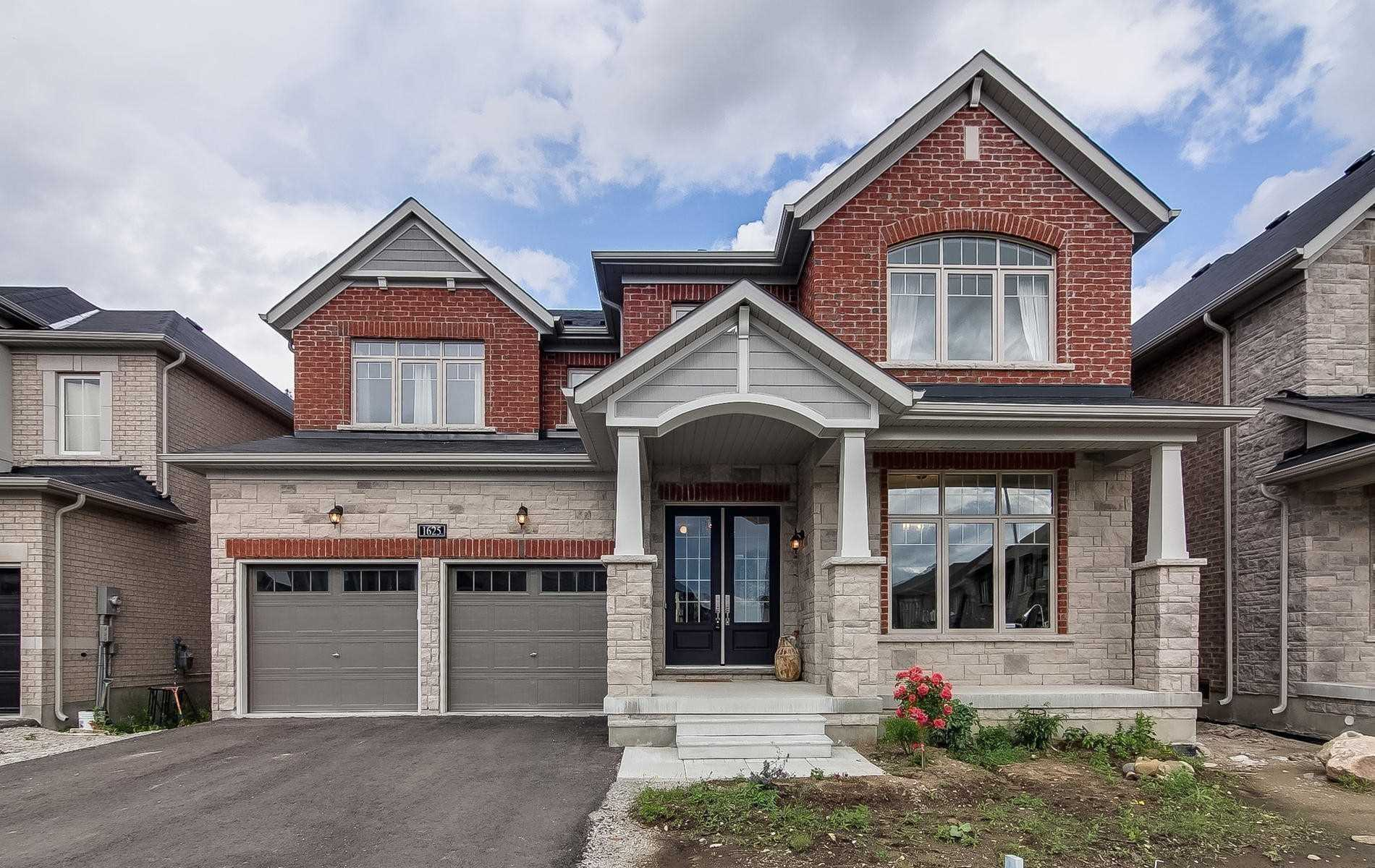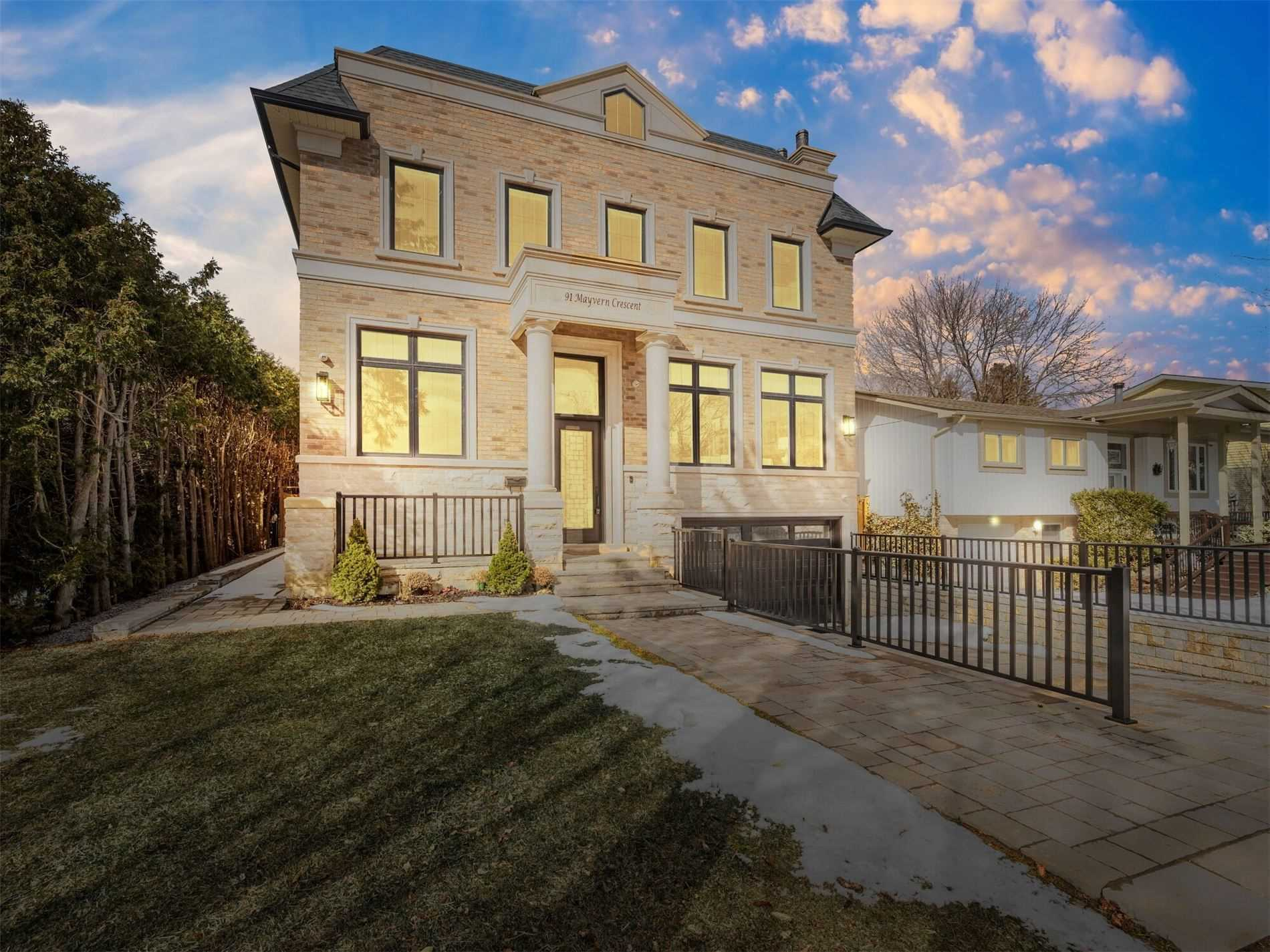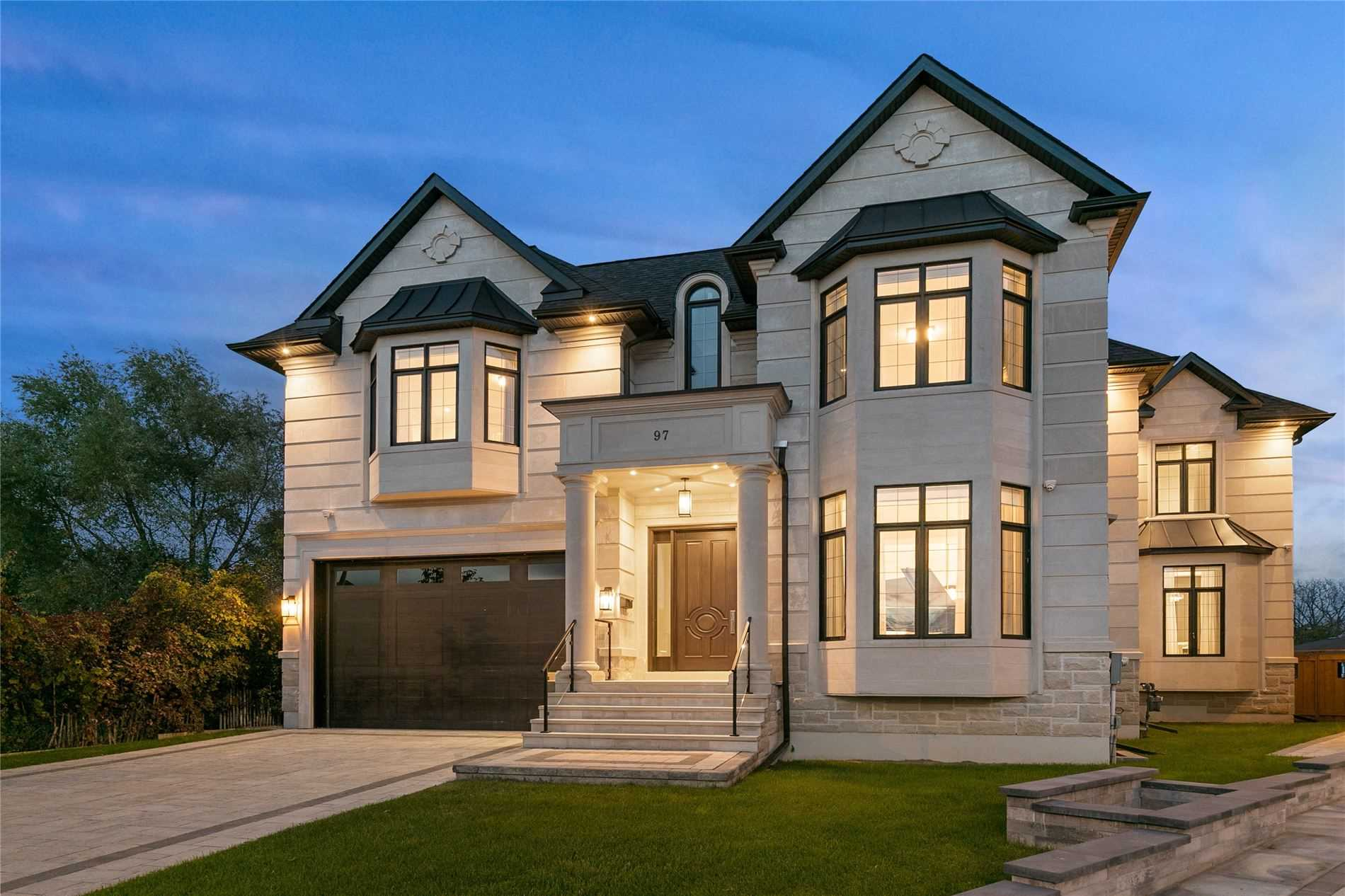


As we navigate through the second quarter of 2026, the Ontario real estate landscape continues to present a complex puzzle for residents. Whether you are looking at a sleek condo in downtown Toronto or a spacious detached home in the growing communities of Innisfil or Bradford, the decision to rent or buy remains one of the most significant financial milestones in a person's life.
Cathy Dou, Broker of Record at BuyRealty.ca Brokerage, observes that the market dynamics have shifted considerably over the last 24 months. With new federal mortgage policies firmly in place and local inventory levels fluctuating across the Greater Toronto Area (GTA), the "financial math" of 2026 looks very different than it did just a few years ago.
The Big Picture: Ontario’s Real Estate Climate in 2026
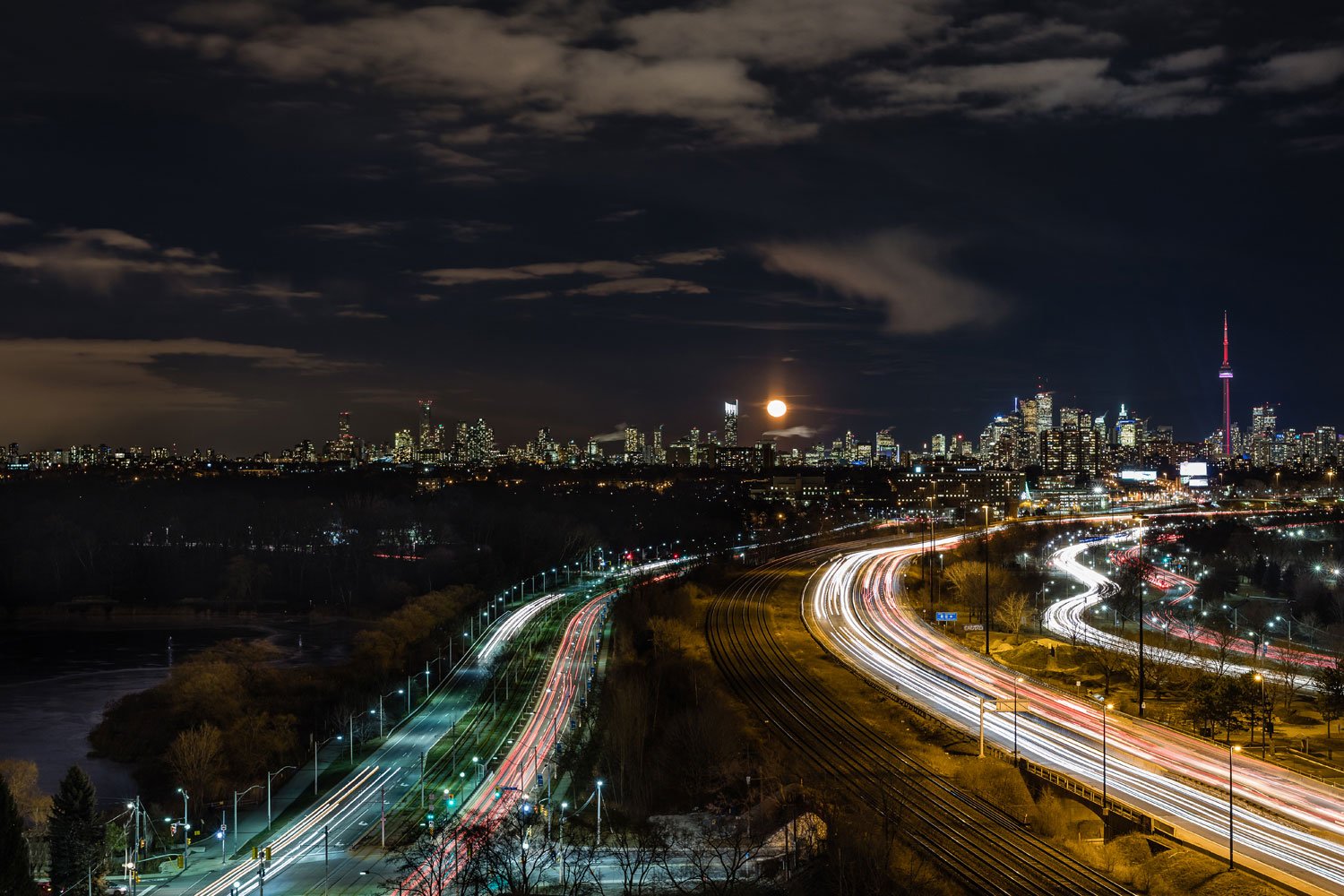
The Ontario market, particularly within the jurisdiction of the Toronto Regional Real Estate Board (TRREB), has entered a phase of calculated stability. We have moved past the frantic bidding wars of the early 2020s, but high demand remains a constant in urban hubs like North York, Markham, and Richmond Hill.
One of the most significant changes affecting this debate is the federal government’s adjustment to mortgage rules. As of late 2024, the $1.5 million insured mortgage cap and the introduction of 30-year amortizations for all first-time homebuyers (and all buyers of new builds) have provided a lifeline to many. These changes were designed to help buyers enter the market with smaller down payments on more expensive properties while lowering monthly payments through extended timelines.
However, Cathy Dou emphasizes that while these policies make entry easier, they do not necessarily make buying the "cheaper" option in the short term.

The Financial Reality of Renting in 2026
For many in Ontario, renting has become a strategic choice rather than a temporary necessity. In 2026, we are seeing a trend where renting can offer a significant monthly cash-flow advantage, particularly in high-density areas.
Lower Monthly Outlays
Based on current market data, renting a one-bedroom condo in downtown Toronto currently costs between $2,000 and $2,300. When you compare this to the cost of carrying a mortgage on that same unit, the "renting discount" is evident. In many cases, tenants are paying significantly less than the landlord’s total carrying costs, which include mortgage interest, property taxes, and those ever-climbing condo maintenance fees.
Flexibility and Market Correction Protection
Renting provides a shield against short-term market volatility. If property values in Richmond Hill or Vaughan experience a minor correction, the tenant is unaffected. Furthermore, the 4% to 6% year-over-year rental price stabilization seen in some sectors of the GTA has made renting more predictable for households focusing on aggressive savings for future investments.
The Math of Buying: Equity vs. Negative Cash Flow
When you transition from tenant to owner, you are no longer just paying for shelter; you are investing in an asset. However, in 2026, the cost of that investment requires a careful look at the numbers.
Cathy Dou, Real Estate Agent and Broker of Record at BuyRealty.ca Brokerage, often walks clients through a standard comparison for a $550,000 one-bedroom unit:
- Monthly Mortgage (P&I): ~$2,640
- Condo Management Fees: $600
- Property Taxes: $250
- Home Insurance: $120
- Maintenance & Vacancy Reserves: $310
- Total Monthly Cost: $3,920
If the market rent for this unit is $2,200, an investor or owner-occupier is essentially paying a premium of $1,720 per month over the cost of renting.
So, Why Buy?
The argument for buying in 2026 rests on two pillars: The 30-Year Amortization Advantage and Long-term Forced Savings. With a 30-year amortization, your monthly principal and interest are spread over a longer period, making the monthly obligation more manageable than a standard 25-year term. While you pay more interest over the life of the loan, the immediate cash-flow relief allows more families to qualify for homes in premium areas like Aurora or Newmarket.

Strategic Local Insights: From Toronto to Simcoe County
The decision to buy or rent often depends on where you are looking. BuyRealty.ca Brokerage tracks various regions to help clients find the "sweet spot" for their financial goals.
- Toronto & North York: These remain "negative cash flow" zones. Buying here is a play for long-term appreciation and lifestyle. If you plan to stay for 10+ years, the equity build-up usually outweighs the monthly deficit.
- Markham & Richmond Hill: These areas have seen steady demand due to excellent schools and tech-sector growth. Buying here is often seen as a "safe haven" for capital.
- Innisfil & Bradford: As urban sprawl continues, these northern communities offer a more balanced profile. The price-to-rent ratio is often more favourable here, making it easier for buyers to reach a "breakeven" point sooner than they would in the downtown core.
The Impact of the $1.5M Insured Mortgage Cap
Prior to the policy shift, buyers looking at homes over $1 million were required to have a 20% down payment. In cities like Thornhill or Vaughan, where $1 million is often the starting price for a freehold property, this was a massive barrier.
Now, with the $1.5 million cap for insured mortgages, a buyer can purchase a $1.2 million home with significantly less than 20% down. Cathy Dou notes that this has revitalized the "move-up" market. Families who were stuck in condos can now leverage their existing equity to buy a detached home with a smaller cash injection, even if the monthly carrying costs are higher.
Decision Framework: Which Side Are You On?
To help you decide, Cathy Dou suggests asking yourself three critical questions:
1. What is your time horizon?
If you plan to relocate within 3 years, renting is almost certainly the better financial move. The closing costs, Land Transfer Taxes (which are significant in Ontario), and real estate fees will likely wipe out any short-term appreciation. If your horizon is 7-10 years, buying becomes a powerful wealth-building tool.
2. Can you handle the "Maintenance Surprise"?
As a renter, a leaking roof is the landlord's problem. As an owner in a freehold home in Bradford, it’s your problem. You must have a financial buffer beyond your mortgage payment.
3. Are you a "Disciplined Saver"?
The biggest "hidden" benefit of buying is forced equity. Every mortgage payment includes a portion of principal. If you rent and don't religiously invest the $1,700/month you "save" by not owning, you may find yourself behind in net worth a decade from now.
Final Thoughts from BuyRealty.ca Brokerage
The 2026 market is not about "winning" or "losing" by choosing one side; it is about alignment with your personal balance sheet. Renting offers a way to live in premium locations like downtown Toronto for a fraction of the ownership cost, while the new 30-year amortization and $1.5M mortgage rules have opened doors for those ready to commit to long-term property ownership in Ontario’s growing suburbs.
Navigating Agreement of Purchase and Sale complexities or understanding the nuances of the Trust in Real Estate Services Act (TRESA) requires professional guidance. Cathy Dou, Broker of Record, advises clients to approach this comparison through both quantitative metrics and qualitative community factors.
Whether you are looking to lease a modern condo or secure a turnkey investment, our team is here to provide a protected, strategic path to your real estate goals.
Call Cathy at 905-367-5924 to discuss your specific financial situation and get a tailored analysis of the Ontario neighbourhoods that fit your budget.

Disclaimer: This article is for informational purposes only and does not constitute financial or legal advice. Mortgage rates and market data are subject to change. Please consult with a qualified professional before making any real estate decisions. BuyRealty.ca Brokerage ensures compliance with all RECO regulations and provincial standards.