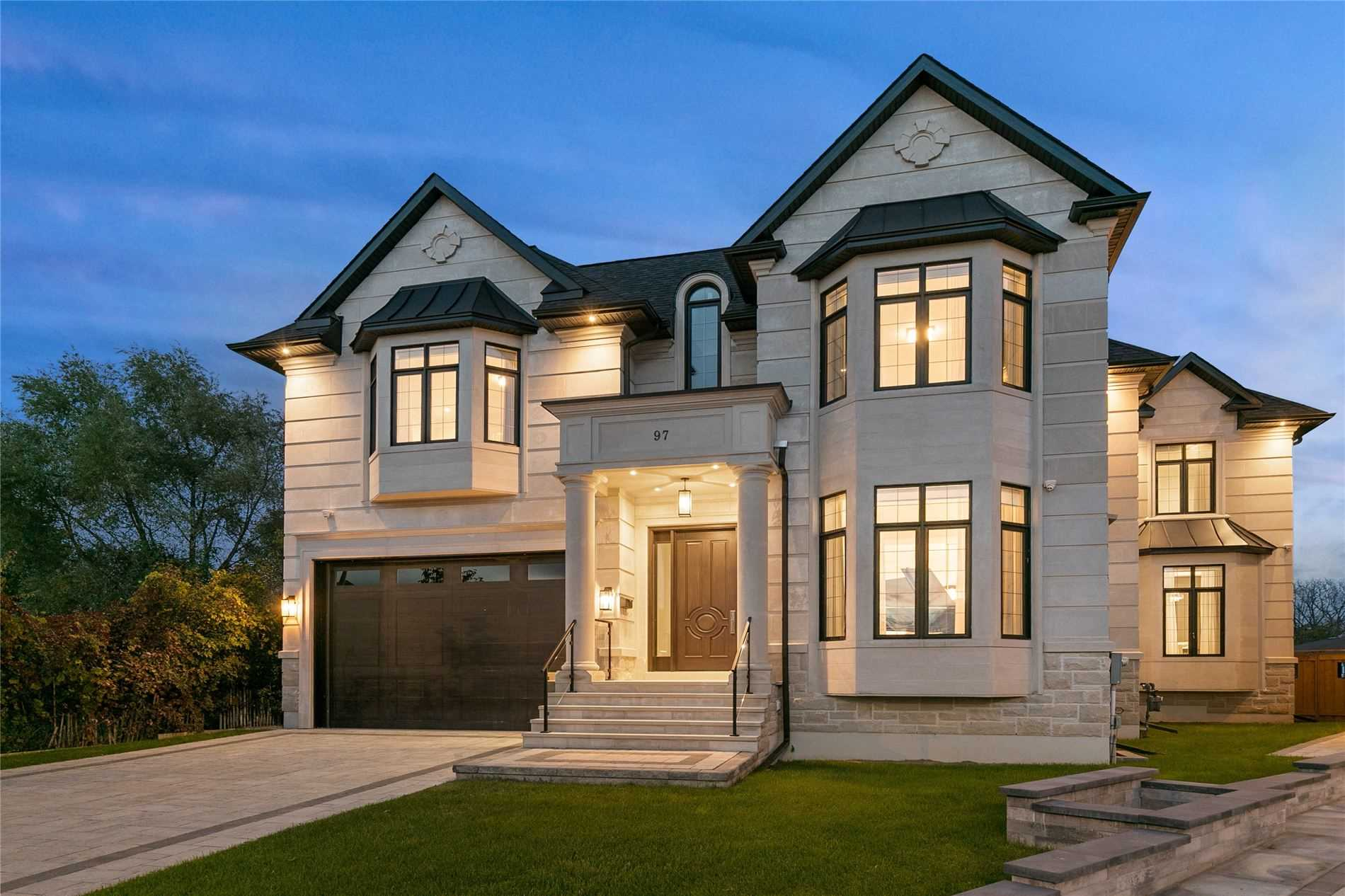


The Ontario real estate landscape has undergone significant shifts as we move through the first quarter of 2026. For first-time buyers looking at the Greater Toronto Area (GTA): specifically high-demand hubs like Markham, Richmond Hill, and North York: the regulatory environment is vastly different than it was just eighteen months ago. With the expansion of the $1.5 million mortgage insurance cap and new amortization standards, the "path to homeownership" has become more accessible, yet far more complex to navigate.
At BuyRealty.ca, the focus remains on providing clear, strategic guidance in a market that rewards the well-informed. Cathy Dou, Broker of Record at BuyRealty.ca Brokerage, observes that while new rules are designed to help buyers enter the market, a lack of precision in planning often leads to costly setbacks.
Here are the seven most common mistakes first-time buyers in Ontario are making with the current mortgage rules, and the professional strategies to fix them.
1. Misunderstanding the $1.5 Million Insured Mortgage Cap
Prior to the recent federal adjustments, any home priced over $1 million required a 20% down payment. In markets like Richmond Hill or North York, where even entry-level detached homes or large townhomes often exceed the million-dollar mark, this was a significant barrier. The new $1.5 million cap allows for high-ratio insurance on properties up to that price point.
The mistake many buyers make is assuming they can now buy a $1.4 million home with just 5% down. In reality, the tiered down payment requirement still applies: 5% on the first $500,000, 10% on the portion between $500,000 and $1.5 million.
The Fix: Work with an expert to calculate your exact cash-to-close requirements. Cathy Dou, Broker of Record at BuyRealty.ca Brokerage, advises clients to ensure they have a liquid buffer of at least 3% of the purchase price beyond the down payment to account for appraisal gaps or adjusted insurance premiums.
2. Overlooking the Long-term Cost of 30-Year Amortizations
The introduction of 30-year amortizations for all first-time buyers was a game-changer for monthly affordability. By spreading payments over an extra five years compared to the traditional 25-year limit, buyers can significantly lower their monthly carrying costs. However, the "mistake" lies in ignoring the total interest paid over the life of the loan.
In a higher-for-longer interest rate environment, an extra five years of interest on a $1.2 million mortgage in Markham can equate to tens of thousands of dollars in additional costs.
The Fix: Use the 30-year amortization to qualify and ensure monthly stability, but implement a "Pre-payment Strategy." Most Ontario mortgage products allow for 10-20% annual lump-sum payments. Cathy Dou suggests using annual bonuses or tax refunds to pay down the principal, effectively turning a 30-year loan back into a 22- or 23-year loan while maintaining the safety net of lower mandatory payments.

3. Confusing Pre-qualification with a Fully Underwritten Pre-approval
With the Ontario market seeing a resurgence in competition in 2026, particularly in the "missing middle" segment of townhouses and semi-detached homes, speed is essential. Many buyers rely on a "pre-qualification" obtained through an online portal. This is a cursory glance at your finances and carries no weight in a multi-offer scenario.
Under the Trust in Real Estate Services Act (TRESA), transparency and financial readiness are paramount. A seller in Thornhill or Vaughan is unlikely to accept a conditional offer from a buyer who hasn't had their income documents: T4s, NOAs, and gift letters: verified by a lender.
The Fix: Secure a fully underwritten pre-approval. This means a mortgage professional has vetted your credit score and employment history. BuyRealty.ca Brokerage emphasizes that a robust pre-approval is your strongest negotiating tool, allowing for shorter finance conditions that make your offer stand out.
4. Underestimating the "Toronto Tax" vs. York Region Costs
Location choice involves more than just the commute. First-time buyers often forget that purchasing in North York (City of Toronto) triggers a "Double Land Transfer Tax": both Provincial and Municipal. Buying the same-priced home just a few kilometres north in Markham or Richmond Hill (York Region) only incurs the Provincial Land Transfer Tax.
On a $1.2 million property, the difference can be upwards of $20,000 in upfront cash.
The Fix: Before searching, define your "Closing Cost Zone." If your heart is set on North York, you must budget for the additional municipal tax. If your budget is tight, focusing on the York Region side of the border (Steeles Avenue) can save significant capital that could be better used for renovations or an increased down payment. Visit cathydou.com for updated closing cost calculators specific to Ontario municipalities.
5. Ignoring the Stress Test Reality
Even with the $1.5M cap and longer amortizations, the "Stress Test" remains. Buyers must qualify at their contract rate plus 2%, or 5.25%, whichever is higher. Many buyers calculate their affordability based on the current market rates they see advertised, only to find their actual purchasing power is 15-20% lower once the stress test is applied.
The Fix: Always calculate your "Maximum Purchase Price" using the stress test rate. Cathy Dou, Broker of Record, advises clients to approach this comparison through both quantitative metrics and qualitative community factors. Knowing your "Stress Test Ceiling" prevents the heartbreak of falling in love with a property in Aurora or Newmarket that is mathematically out of reach.

6. Skipping the Home Inspection in a Fast-Paced Market
As inventory remains tight in 2026, some buyers are tempted to waive home inspections to make their offers more "clean." This is a perilous mistake. Ontario homes, particularly in established neighbourhoods like Unionville or Old Richmond Hill, may have latent defects: issues like knob-and-tube wiring, structural foundation cracks, or aging roofing systems that aren't visible to the naked eye.
Under TRESA regulations, sellers must disclose known material latent defects, but the onus of "due diligence" still largely falls on the buyer.
The Fix: Never waive an inspection. If the market is too competitive for a standard inspection condition, perform a "Pre-Listing Inspection" or bring a certified inspector to your second viewing. Protecting your investment is a fiduciary priority at BuyRealty.ca Brokerage.
7. Overlooking Local Zoning and Infrastructure Shifts
The Ontario government has been aggressive with transit-oriented community legislation. Buying a home without looking at the local "Secondary Plan" is a major oversight. For example, the Yonge North Subway Extension and the intensification of the Richmond Hill Centre are drastically changing property values and land use in those corridors.
A buyer might purchase a quiet backyard in Markham today, only to find a mid-rise development slated for the lot behind them in two years.
The Fix: Leverage local expertise. A professional real estate agent doesn't just look at the house; they look at the city's 10-year plan. Cathy Dou provides clients with insights into provincial legislation and local zoning changes that could impact future resale value or quality of life.

The BuyRealty.ca Advantage
Navigating the 2026 Ontario real estate market requires more than just an app; it requires a strategic partnership. The new mortgage rules offer a window of opportunity, but only for those who understand the fine print. Whether you are looking for a modern condo in North York or a family home in the growing communities of Innisfil or Bradford, precision is your greatest asset.
Cathy Dou, Broker of Record at BuyRealty.ca Brokerage, specializes in navigating these complex regulatory environments with absolute integrity. By focusing on underwritten approvals, detailed closing cost breakdowns, and local market trends, she ensures that every first-time buyer moves from a position of strength.
To ensure your first home purchase is a protected, strategic success, consult with a leader who understands the GTA from the ground up.
Call Cathy at 905-367-5924