
The Greater Toronto Area (GTA) real estate market has long been a beacon for both domestic and international investors. However, as we navigate through June 2026, the landscape has shifted significantly from the frenetic pace of the early 2020s. We are now in a "normalized" market: one defined by higher-for-longer interest rates, stricter regulatory oversight under the Trust in Real Estate Services Act (TRESA), and a more balanced inventory.
For investors, especially those within the Chinese-Canadian community who value long-term stability and multi-generational wealth, the margin for error has narrowed. Mistakes that were once "masked" by rapid double-digit appreciation are now exposed as costly liabilities.
Cathy Dou, Broker of Record at BuyRealty.ca Brokerage, observes that the most successful investors in today's Ontario market are those who have pivoted from speculative "hustle" tactics to a disciplined, fiduciary-first strategy. Below, we examine the seven most common pitfalls currently facing GTA investors and the strategic steps required to mitigate them.
1. Speculating on Appreciation Over Cash Flow
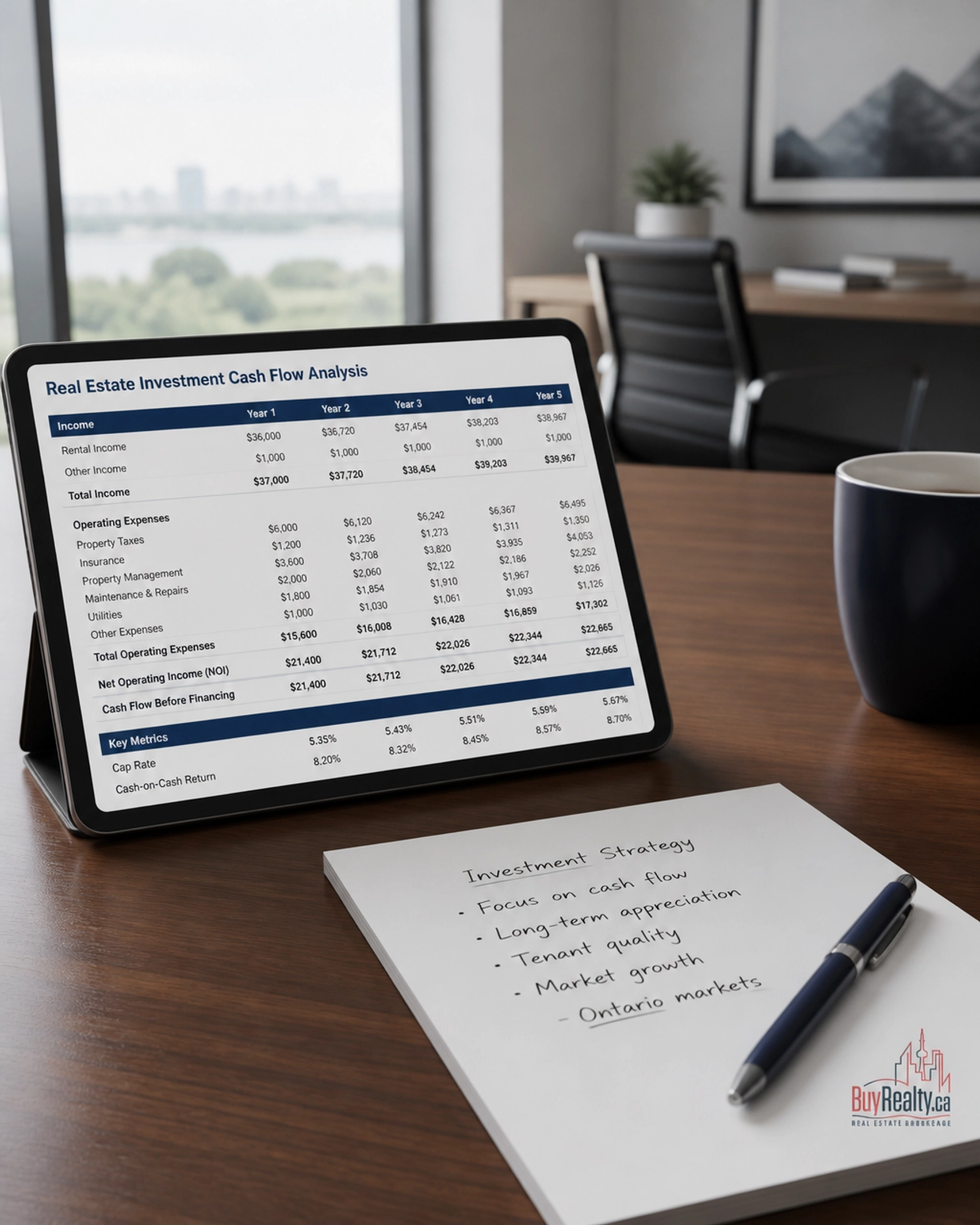
In the "bull run" era, many investors ignored negative monthly cash flow, banking entirely on the property’s value increasing by $100,000 or more per year. In 2026, this is a dangerous gamble. While the Ontario market remains resilient due to immigration and supply shortages, price growth has moved toward a more sustainable 3-5% annual trajectory.
The Mistake: Buying a property where the rental income does not cover the mortgage, property taxes, insurance, and maintenance, assuming that capital gains will eventually make the math work.
The Professional Path: Cathy Dou advises clients to approach every deal with a "cash-flow first" mindset. A property must stand on its own financial merits today. In areas like Richmond Hill and Markham, investors are increasingly looking at multi-generational houses that offer secondary suites or garden suites to maximize rental yield and ensure the property remains "in the black" regardless of market fluctuations.
2. Underestimating "Hidden" Capital Expenditures (Capex)
A common oversight among newer investors is failing to distinguish between operating expenses (like utilities) and capital expenditures (major repairs like a new roof or HVAC system).
The Mistake: Budgeting only for immediate repairs and ignoring the inevitable replacement of aging systems in older 416-area freeholds or the special assessments in older condo buildings in North York and Downtown Toronto.
The Professional Path: Conduct a rigorous "Latent Defect" audit during your due diligence. For freehold properties, set aside a minimum of 1% of the property value annually for a "Sinking Fund." For condos, scrutinize the Status Certificate: not just for the current balance of the reserve fund, but for the most recent Reserve Fund Study.
3. Mismanaging Leverage and Interest-Rate Renewal Risk
As of June 8, 2026, mortgage rates have stabilized, with the average 5-year fixed rate sitting at approximately 4.75%. While this is lower than the peaks of 2024, it is a far cry from the 2% era.
The Mistake: Taking on the maximum allowable debt-to-income ratio without stress-testing the investment against future renewal rates. Many investors are currently facing "payment shock" because they failed to plan for renewals at these normalized levels.
The Professional Path: Always underwrite your deals at a rate at least 2% higher than your current contract rate. If the property cannot maintain a healthy Debt Service Coverage Ratio (DSCR) at that higher rate, the risk profile is too high. Successful investors in Vaughan and Aurora are opting for mid-term fixed rates to provide predictable overhead while maintaining the flexibility to refinance if the Bank of Canada pivots.
4. Failing to Comply with TRESA Regulations
The Trust in Real Estate Services Act (TRESA) has fundamentally changed how agency and representation work in Ontario. Many investors still operate under the "old rules," leading to a lack of clarity in their legal protections.
The Mistake: Working with multiple agents informally or assuming a listing agent "represents" your interests when you are actually a Self-Represented Party (SRP). Under TRESA, if you are not in a written representation agreement, the level of service and fiduciary duty an agent can provide is strictly limited.
The Professional Path: BuyRealty.ca Brokerage emphasizes the importance of a written Buyer Representation Agreement. This ensures that Cathy Dou, Broker of Record, can provide full advice, negotiation strategy, and confidential protection of your interests. Without this, you are effectively navigating one of your largest financial transactions without a certified guide.

5. Ignoring Landlord-Tenant Board (LTB) Realities and Rent Control
Ontario is a heavily regulated rental market. For many Chinese-speaking investors, the nuances of the Residential Tenancies Act (RTA) can be frustrating if not managed proactively.
The Mistake: Planning for aggressive rent increases or assuming you can easily "renovate and re-rent" (the so-called "renoviction"). In 2026, the penalties for bad-faith evictions are higher than ever, and rent control applies to most residential units built before November 2018.
The Professional Path: Focus on "Turnkey" investments in newer developments or purpose-built rentals where rent control may not apply in the same way (for units built after Nov 2018). However, the best strategy is simply selecting high-quality tenants. A stable, long-term tenant who respects the property is far more valuable than a high-turnover unit that risks months of delays at the LTB.
6. Over-Concentration in "Micro-Condos"
A few years ago, the "shoebox" condo was the go-to investment for GTA buyers. However, the 2026 market shows a clear shift in demand toward space and functionality.
The Mistake: Buying multiple 400-sq-ft units in the same building or neighborhood. If that specific sub-market (like the Entertainment District) sees an influx of new inventory, your vacancy risk skyrockets across your entire portfolio.
The Professional Path: Diversification is the hallmark of the Authoritative Advisor. Cathy Dou suggests balancing a portfolio with different asset types. For instance, pairing a condo in North York with a freehold townhouse in Innisfil or Bradford allows you to capture different demographics: from young professionals to families seeking suburban sprawl. You can learn more about these shifting dynamics in our guide to GTA Investment Secrets.

7. Lacking a Localized Professional Team
Real estate investing is a team sport. Trying to save a few dollars by bypassing legal review or professional accounting is often the most expensive "saving" an investor will ever make.
The Mistake: Relying on generic, out-of-province advice or a lawyer who doesn't specialize in Ontario real estate. Every city, from Newmarket to Richmond Hill, has specific zoning by-laws and development charges that can make or break a deal.
The Professional Path: Assemble a "GTA Power Team" consisting of a specialized mortgage broker, a real estate lawyer familiar with TRESA, an accountant who understands Canadian tax implications for non-residents (if applicable), and an experienced agent. Cathy Dou, as a Real Estate Agent and Broker of Record, coordinates with these professionals to ensure a seamless, protected transaction. Seasoned Mandarin investors often look for this level of sophisticated market insight to navigate the complexities of the 2026 landscape.

Conclusion
Investing in the GTA is no longer about "timing the market"; it is about "time in the market" supported by rigorous data and ethical representation. By avoiding these seven common mistakes, you position yourself as a sophisticated participant in one of North America's most stable economies.
Real estate in Ontario isn't just about the transaction; it’s about navigating a complex regulatory environment with absolute integrity. As Broker of Record at BuyRealty.ca Brokerage, Cathy Dou’s focus is on ensuring our clients provide more than just a listing: they provide a protected, strategic path to homeownership.
Call Cathy at 647-691-6364 to discuss your investment strategy and ensure your next acquisition is backed by professional insight and TRESA-compliant care.


