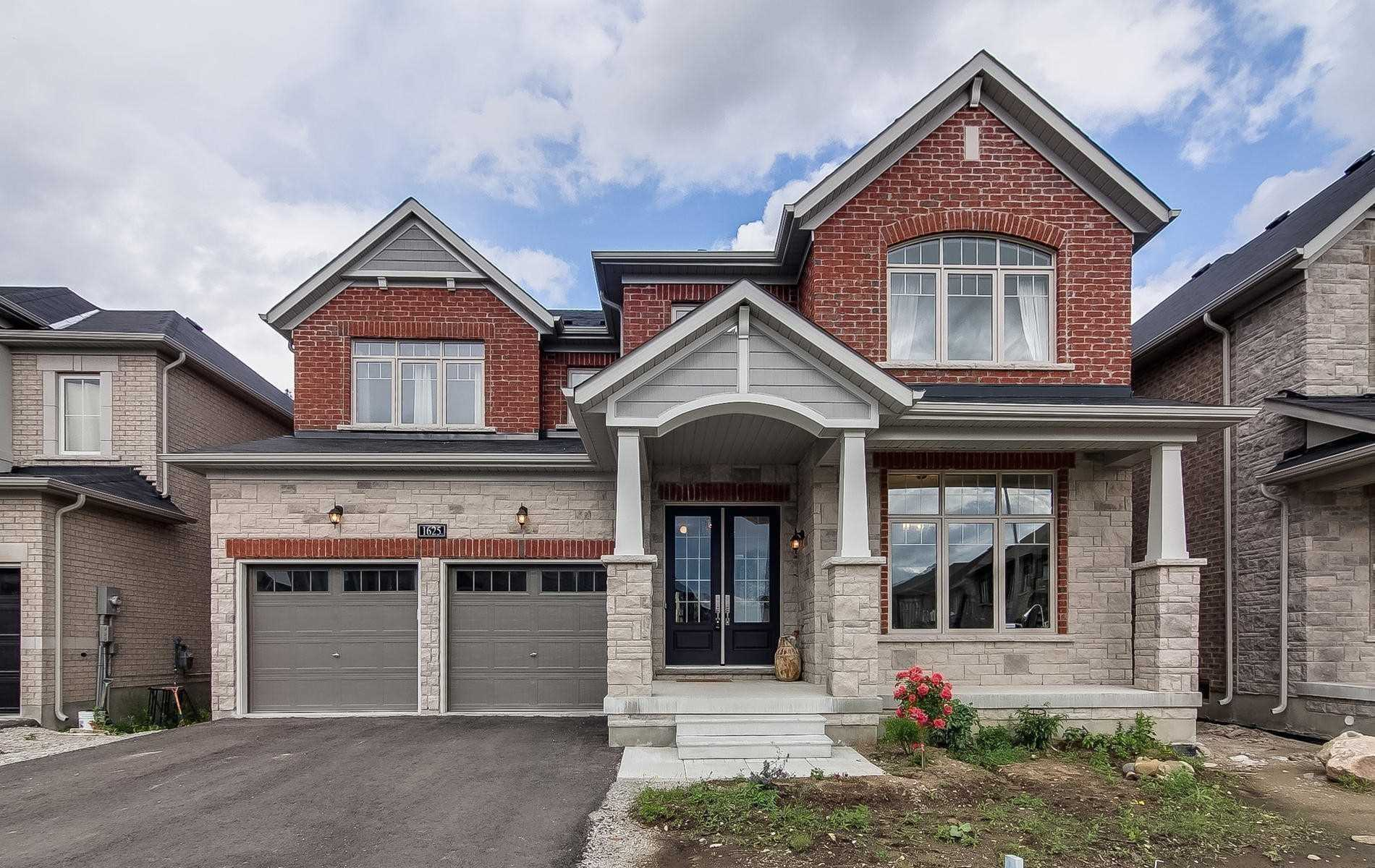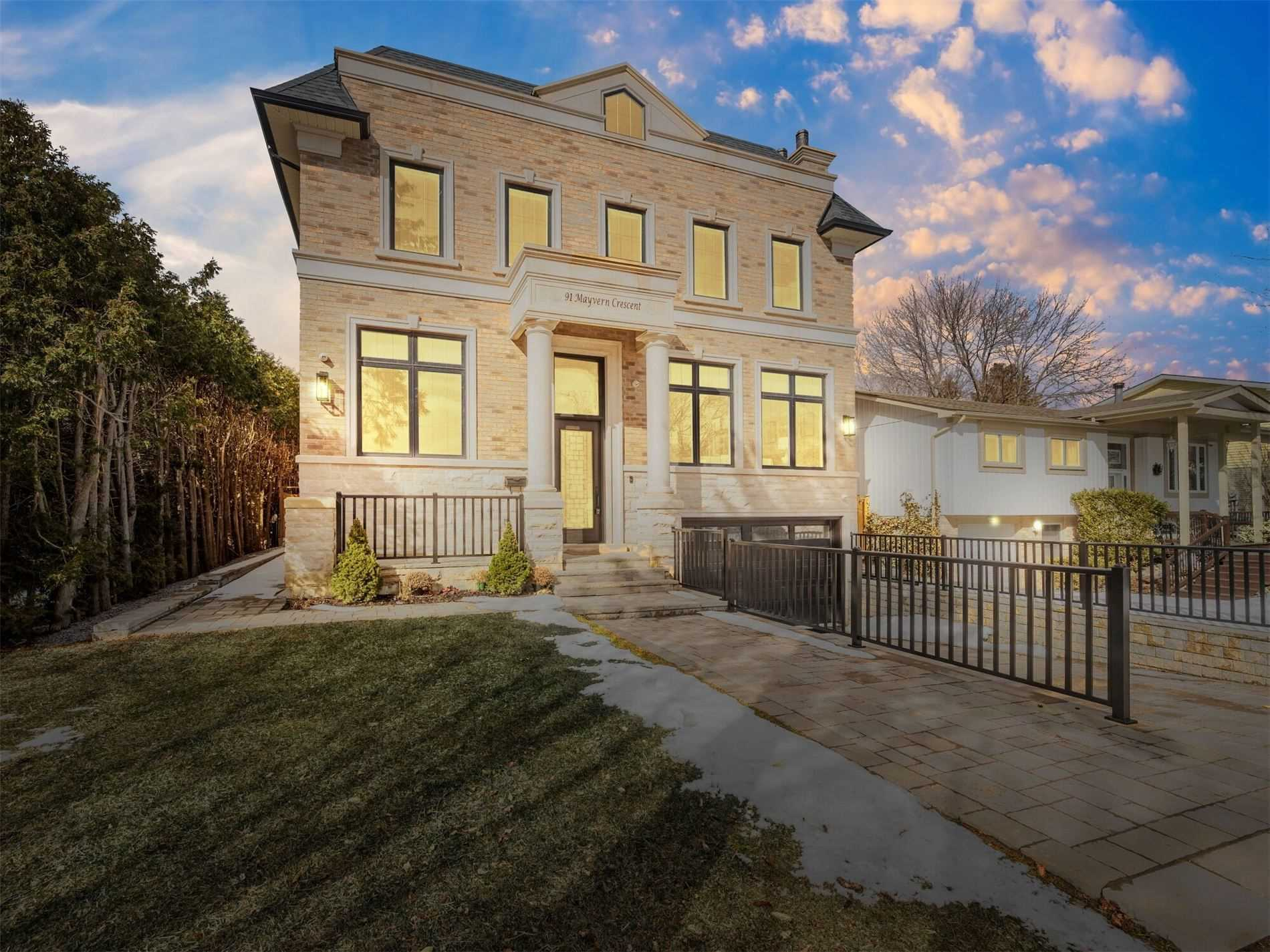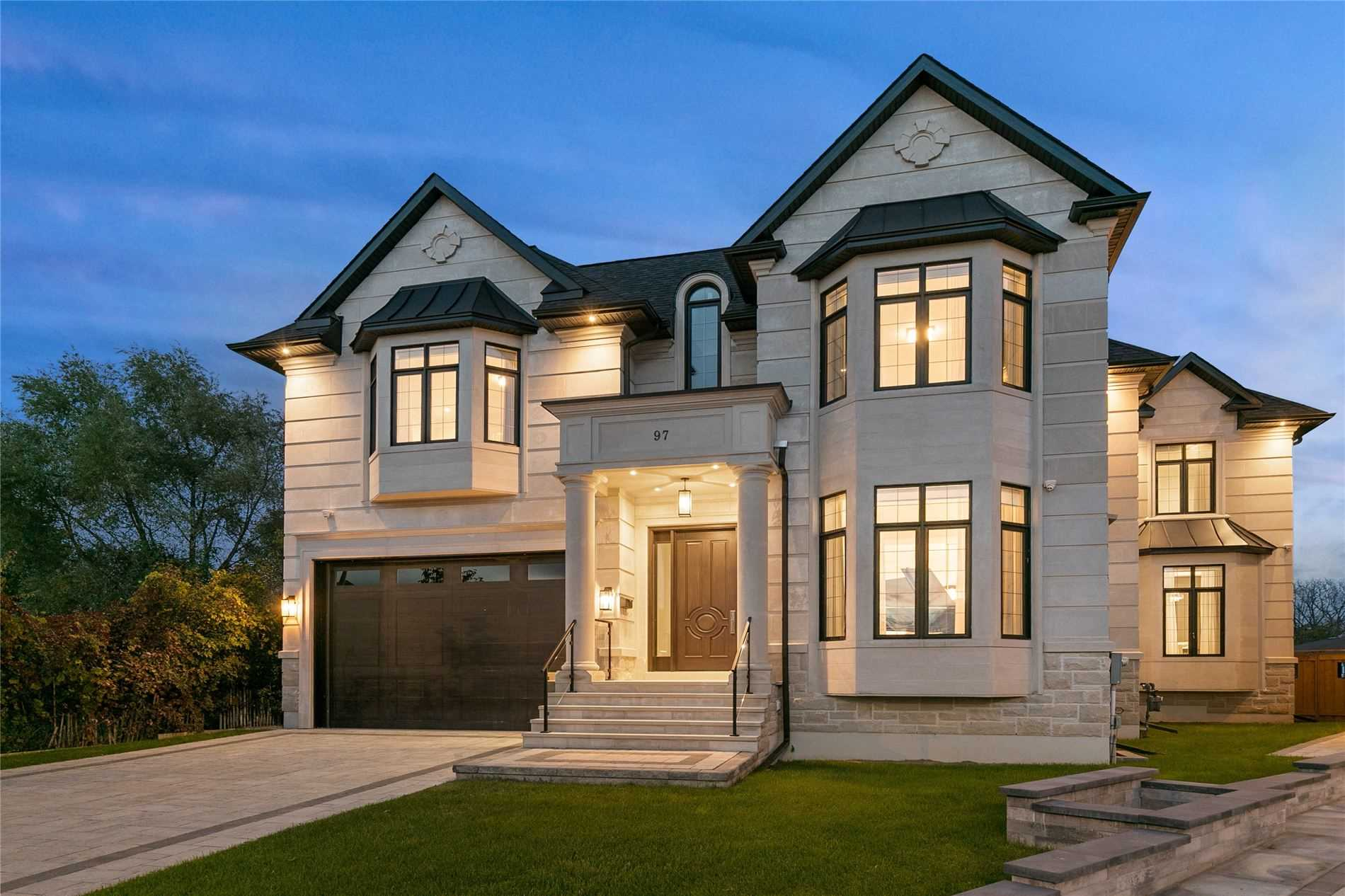


The journey to homeownership in Ontario is often described as a rite of passage, yet in today’s evolving economic landscape, it requires more than just a down payment and a dream. It requires a strategic roadmap. As we navigate the early months of 2026, the toronto housing market forecast suggests a period of stabilization, offering a unique window for the diligent ontario first time home buyer to enter the market.
However, navigating the complexities of the Greater Toronto Area (GTA) and surrounding regions demands professional oversight. Cathy Dou, Real Estate Agent and Broker of Record at BuyRealty.ca Brokerage, emphasizes that clarity and fiduciary duty are the cornerstones of a successful transaction. Buying a home is not merely a purchase; it is a significant legal and financial commitment governed by the Trust in Real Estate Services Act (TRESA).
The Big Picture: Understanding the Ontario Market
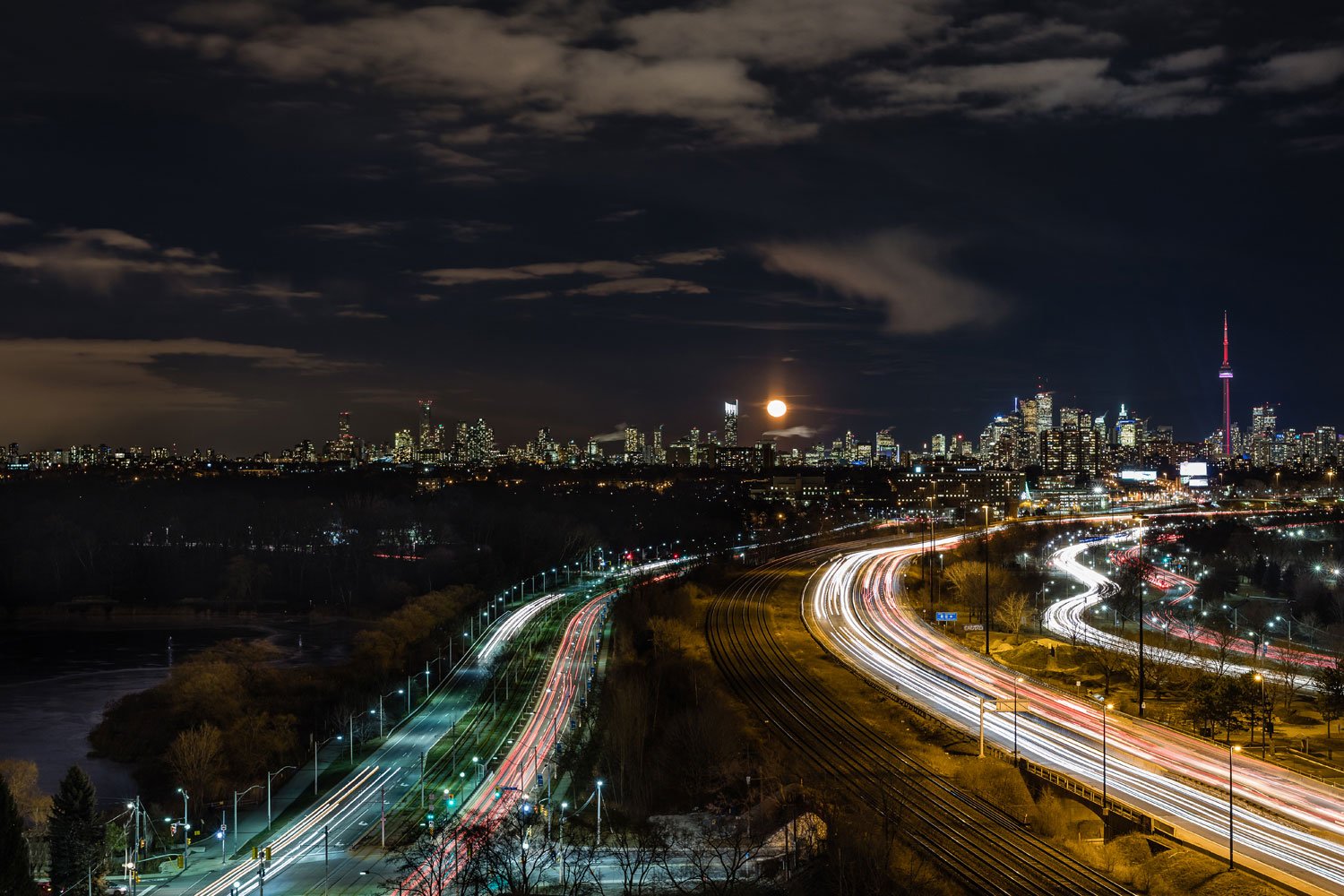
Before viewing properties in Newmarket or Richmond Hill, one must understand the provincial landscape. Ontario’s real estate market is diverse, ranging from high-density urban centres to sprawling suburban communities. Currently, the market is adjusting to shifting interest rates and new housing supply initiatives.
Cathy Dou, Real Estate Agent and Broker of Record, observes that while Toronto remains the heartbeat of the province, many buyers are finding exceptional value in the "Inner Ring" of the GTA. Cities like Markham, Vaughan, and Aurora continue to show resilience, while areas further north, such as Innisfil and Bradford, offer attractive entry points for those seeking more square footage.
Step 1: Financial Foundation and Pre-Approval
The first step in mastering the market is establishing your borrowing capacity. An ontario first time home buyer must secure a mortgage pre-approval before beginning their search. This is not just a "nice-to-have" document; it is a vital tool that defines your budget and demonstrates your seriousness to sellers.
When calculating affordability, Cathy Dou, Real Estate Agent and Broker of Record, advises clients to look beyond the purchase price. One must account for:
- Monthly Mortgage Payments: Principal and interest.
- Property Taxes: These vary significantly between municipalities like North York and Thornhill.
- Utility Costs: Heating, electricity, and water.
- Maintenance Reserve: Especially for freehold homes where you are responsible for the roof and furnace.

Step 2: The Down Payment Requirements
In Ontario, the minimum down payment is determined by the purchase price of the home:
- $500,000 or less: 5% of the purchase price.
- $500,001 to $1,499,999: 5% on the first $500,000 and 10% on the portion above $500,000.
- $1,500,000 and above: A flat 20% down payment is required.
If your down payment is less than 20%, you will be required to purchase mortgage default insurance (commonly through CMHC). While this adds to the cost, it allows many buyers to enter the market sooner. BuyRealty.ca Brokerage works closely with financial experts to ensure clients understand how these premiums affect their long-term equity.
Step 3: Leveraging First-Time Buyer Incentives
The Canadian government has introduced several programs to assist buyers. Cathy Dou, Real Estate Agent and Broker of Record, highlights these key incentives:
- First Home Savings Account (FHSA): A tax-advantaged way to save up to $40,000 for your first home.
- Home Buyers' Plan (HBP): Allows you to withdraw up to $60,000 from your RRSPs tax-free, provided it is repaid over 15 years.
- Land Transfer Tax Rebates: Ontario offers a rebate of up to $4,000 for first-time buyers. Those buying in the City of Toronto may also be eligible for an additional municipal rebate of up to $4,475.
To understand how these incentives apply to your specific situation, you can explore the buyer services section for more detailed breakdowns.
Step 4: Selecting Your Location and Property Type
The toronto housing market forecast for 2026 indicates a steady demand for both freehold homes and condominiums. Your choice depends on your lifestyle and long-term goals.
- Condominiums: Often the entry point for buyers in North York or downtown Toronto. They offer lower maintenance but involve monthly condo fees and the need to review a Status Certificate.
- Freehold Homes: Common in areas like Richmond Hill, Aurora, and Newmarket. These offer more autonomy but require a dedicated budget for exterior maintenance and repairs.
Cathy Dou, Real Estate Agent and Broker of Record at BuyRealty.ca Brokerage, suggests that buyers prioritize "future-proofing" their purchase. This means considering proximity to the GO Train expansion in Innisfil or the growing tech hubs in Markham.

Step 5: Navigating the Offer Process
Once you find a property in Vaughan or Bradford that meets your criteria, the next stage is the Agreement of Purchase and Sale. Under TRESA regulations, transparency is paramount. Your agent will help you decide on crucial conditions, such as:
- Financing: Ensuring your lender approves the specific property.
- Home Inspection: Mitigating the risk of latent defects.
- Status Certificate Review: Essential for condo purchases.
In a competitive market, Cathy Dou, Real Estate Agent and Broker of Record, emphasizes the importance of a "protected, strategic path." This involves understanding "Multiple Representation" and ensuring your interests are always the priority of the brokerage. For more information on the legalities of the process, visit the real estate resources page.
Step 6: Budgeting for Closing Costs
A common mistake for the ontario first time home buyer is forgetting to set aside funds for closing costs. Generally, you should budget between 1.5% to 4% of the purchase price. These costs include:
- Land Transfer Tax: The largest expense, calculated on a sliding scale.
- Legal Fees: To handle the title transfer and mortgage registration.
- Title Insurance: Protects you against property ownership disputes or fraud.
- Adjustments: Reimbursing the seller for pre-paid property taxes or utilities.

Local Nuance: Why the Region Matters
Real estate is hyper-local. A strategy that works in the downtown core might not apply to a semi-detached home in Thornhill.
- Toronto & North York: High competition, double land transfer tax, but high appreciation potential.
- York Region (Markham, Richmond Hill, Vaughan, Aurora, Newmarket): Excellent schools and family-oriented neighbourhoods with consistent demand.
- Simcoe County (Innisfil, Bradford): More affordable price points and growing infrastructure, ideal for commuters and young families.
Cathy Dou, Real Estate Agent and Broker of Record at BuyRealty.ca Brokerage, provides clients with market-specific data from local boards like TRREB (Toronto Regional Real Estate Board) to ensure every offer is backed by accurate comparables.
Conclusion: Clarity is Your Greatest Asset
The Ontario real estate market in 2026 is sophisticated. Success is not found by chasing trends, but by making informed, data-driven decisions. Whether you are looking for a turnkey investment in Markham or a family home in Aurora, having an authoritative advisor by your side is essential.
Cathy Dou, Real Estate Agent and Broker of Record at BuyRealty.ca Brokerage, is committed to providing more than just a listing. The goal is to ensure every client navigates the complex regulatory environment with absolute integrity and confidence.
In a shifting market, professional guidance is the difference between a stressful transaction and a successful homecoming.
Call Cathy at 905-367-5924