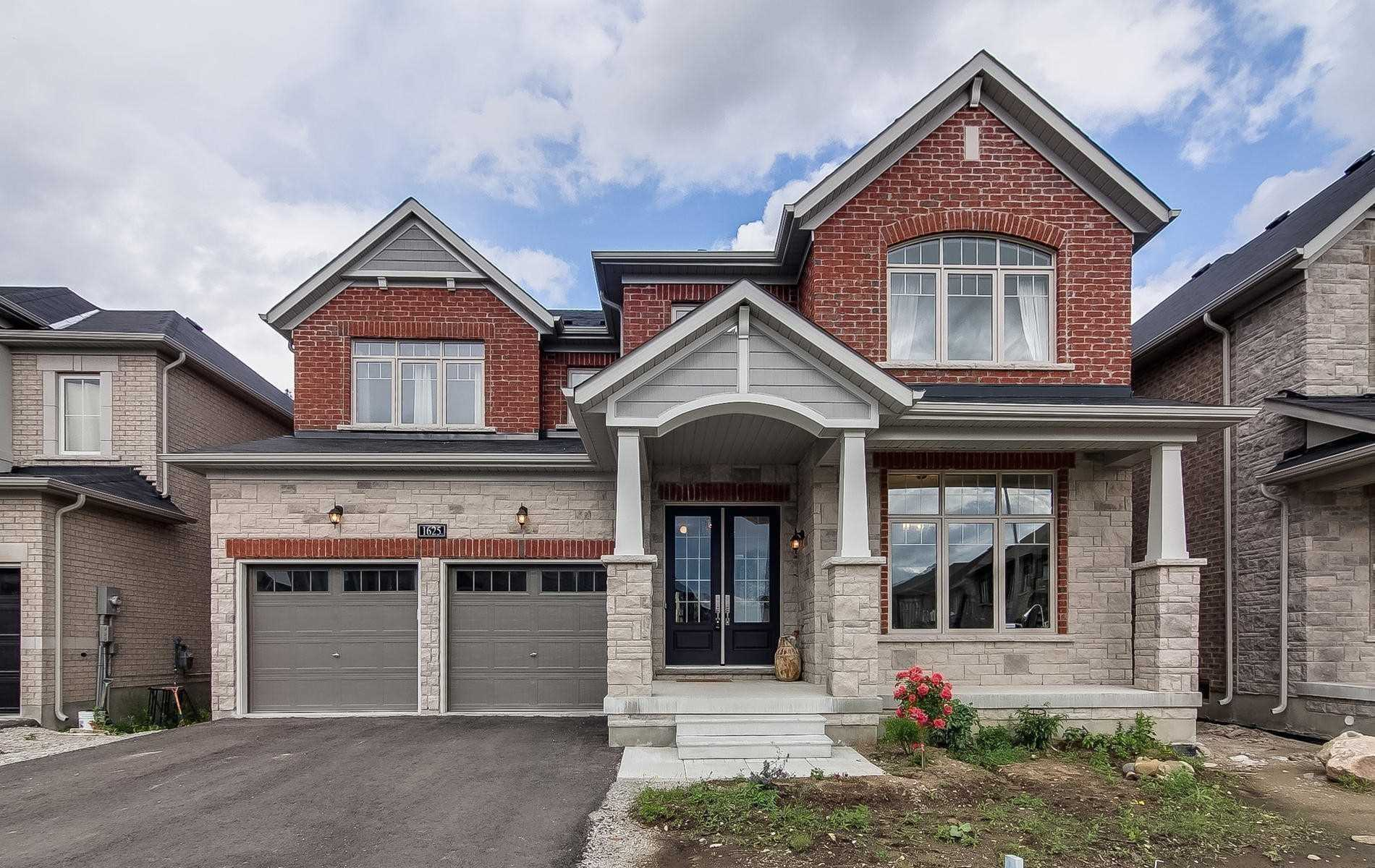


Buying a house in Ontario isn’t just about finding the right property: it’s about navigating a complex regulatory environment with absolute precision. Whether you’re targeting the Greater Toronto Area, Hamilton, or emerging markets in the 905 belt, understanding how to buy a house in Ontario requires more than basic research. It demands a strategic approach grounded in provincial legislation, market literacy, and fiduciary responsibility. If you’re weighing where to focus your search, see our regional comparison: Mississauga, Vaughan, or Richmond Hill.
At BuyRealty.ca Brokerage, we approach every transaction through the lens of The Trust in Real Estate Services Act (TRESA) and our ethical obligations as licensed professionals. This guide outlines the complete process: from financial preparation to final closing, with the clarity and transparency Ontario buyers deserve.
Step 1: Conduct a Comprehensive Financial Assessment
Before exploring listings, establish your true purchasing power. This begins with calculating total household income from all verifiable sources and documenting monthly obligations: housing costs, transportation, insurance, discretionary spending, and existing debt servicing.
Ontario’s real estate market demands precision in budgeting. A property priced at $850,000 in Mississauga has different cost implications than the same price point in downtown Toronto, primarily due to variations in municipal Land Transfer Tax and property tax assessments. For a broader read on pricing, trends, and the current direction of the Toronto housing market, review the latest forecast.
Key consideration: If you qualify as a first-time buyer, the Home Buyers’ Plan allows RRSP withdrawals of up to $35,000 per individual ($70,000 for couples) to contribute toward your down payment. Funds must be repaid over 15 years, but the tax-free access can significantly impact your initial equity position.

Step 2: Verify First-Time Homebuyer Eligibility
Ontario offers substantial incentives for first-time buyers, but qualification criteria are specific. You typically qualify if you haven’t owned a principal residence in the past four years. Both spouses must meet this threshold, and the property must serve as your primary residence: not a rental investment or recreational property.
Provincial rebates on Land Transfer Tax can reach $4,000, with Toronto buyers eligible for an additional municipal rebate of up to $4,475. For properties under $368,000, no provincial Land Transfer Tax is owed. These savings represent meaningful equity preservation in a competitive market.
Income limits and purchase price caps vary by program. Verify eligibility before making offers to ensure your strategy aligns with available incentives.
Step 3: Secure Mortgage Pre-Approval
Working with a mortgage broker or direct lender provides clarity on borrowing capacity and strengthens your negotiating position. Pre-approval demonstrates financial readiness to sellers and prevents overextending on properties beyond your qualified threshold.
In Ontario’s current lending environment, stress test requirements remain in effect. Buyers must qualify at a rate higher than their actual mortgage rate, which impacts the maximum purchase price. Understanding this constraint before viewing properties prevents disappointment and wasted time.
Step 4: Understand the Regulatory Framework
Ontario real estate operates under TRESA, which establishes ethical standards and consumer protections that govern every licensed professional. When you work with Cathy Dou, Real Estate Agent and Broker of Record at BuyRealty.ca Brokerage, you’re working with someone bound by these regulations to prioritize your interests.
TRESA mandates transparency in all dealings, protection of confidential information, and disclosure of material facts. This isn’t marketing language: it’s a legislated duty. Any agent operating in Ontario must adhere to these standards or face regulatory consequences through the Real Estate Council of Ontario (RECO).
This regulatory environment protects buyers from misrepresentation, ensures proper handling of deposit funds, and establishes clear recourse if problems arise during the transaction.

Step 5: The Agreement of Purchase and Sale
The Agreement of Purchase and Sale is the binding contract that governs your transaction. In Ontario, this standardized form, developed by the Ontario Real Estate Association, covers essential terms including purchase price, closing date, deposit structure, and conditions.
Critical clauses to understand:
Conditions (subject clauses): These protect buyers by making the agreement conditional on specific outcomes: financing approval, home inspection results, or status certificate review for condominiums. Conditions must be satisfied or waived by specified deadlines, or the agreement becomes null and void.
Deposit structure: Deposits are held in trust by the listing brokerage and applied toward your purchase price at closing. The amount and payment schedule are negotiable terms within the agreement.
Chattels and fixtures: The agreement specifies what stays with the property (fixtures such as built-in appliances) and what may be excluded (specific light fixtures or window coverings). Clarity here prevents closing-day disputes.
Title search period: Your lawyer requires time to conduct a thorough title search, confirming the seller’s legal right to sell and identifying any registered encumbrances like liens or easements.
At BuyRealty.ca Brokerage, we ensure clients understand every clause before signing. This isn’t paperwork: it’s a legally binding commitment that requires informed consent.
Step 6: Due Diligence and the Latent Defect Issue
Ontario law distinguishes between patent defects (visible issues) and latent defects (hidden problems not discoverable through reasonable inspection). Sellers must disclose known latent defects, but buyers bear responsibility for reasonable investigation.
A professional home inspection is your primary defense against undiscovered issues. Qualified inspectors examine structural integrity, mechanical systems, roofing, electrical, and plumbing. Their reports identify both immediate concerns and components nearing end-of-life.
For condominium purchases, the Status Certificate provides crucial information: reserve fund health, pending special assessments, building litigation, and registered rules/regulations. Your lawyer should review this document thoroughly before waiving conditions.
For pre-construction properties, scrutinize contracts for clauses regarding construction delays, additional costs (development levies, upgrades), and your recourse if the developer fails to deliver as promised.
The latent defect question becomes particularly relevant in older housing stock common throughout Toronto and surrounding municipalities. Properties built before specific building code updates may have aluminum wiring, asbestos insulation, or outdated plumbing systems. These aren’t necessarily deal-breakers, but they require informed decision-making about future costs.

Step 7: Legal Process and Closing
Your real estate lawyer is essential to completing a compliant transaction. They conduct title searches, review all agreements, calculate Land Transfer Tax and adjustments, arrange title insurance, and facilitate the final transfer of funds and ownership.
Timeline typically follows this sequence:
Firm agreement: Once all conditions are satisfied or waived, the agreement becomes firm and legally binding.
Lawyer engagement: Your lawyer begins title work, requisitions, and preparation of closing documents.
Final walkthrough: Conducted shortly before closing to confirm the property’s condition matches the agreement and all included items remain present.
Closing day: Funds transfer, keys are released, and ownership officially transfers to you. Your lawyer registers the transfer with the provincial land registry.
Closing costs in Ontario typically range from 1.5% to 4% of the purchase price, covering legal fees, title insurance, land transfer tax, and adjustments for prepaid property taxes or utilities.
Step 8: Post-Closing Considerations
Homeownership in Ontario involves ongoing obligations: property tax payments (typically quarterly or monthly through mortgage), utility setup, home insurance maintenance, and for condominium owners, monthly common expense contributions.
Understanding municipal tax assessment cycles and reassessment appeal processes protects your long-term financial position. Property taxes vary significantly across Ontario: a key consideration when comparing affordability across regions.
The Strategic Advantage of Professional Representation
Buying a house in Ontario demands more than online research. It requires understanding local market nuances: how Greenbelt legislation affects development potential, how transit expansion influences specific neighbourhoods, and how zoning changes impact property use.
Working with experienced professionals bound by TRESA obligations ensures you receive accurate, verifiable information and strategic guidance. At BuyRealty.ca Brokerage, every transaction is approached with the seriousness it deserves: because your investment isn’t just financial, it’s the foundation of your future.
For personalized guidance on how to buy a house in Ontario tailored to your specific circumstances, contact Cathy Dou, Real Estate Agent and Broker of Record directly. In a shifting market, clarity and expertise remain your greatest assets.