
Navigating the Ontario real estate market in 2026 requires more than just a passing interest in listings; it demands a strategic understanding of provincial regulations, lending criteria, and the evolving financial landscape. Whether you are eyeing a modern condo in North York or a spacious detached home in Aurora, the question of "how much down payment is required" remains the most critical hurdle for prospective buyers.
At BuyRealty.ca, we understand that the path to homeownership can feel like a moving target. With recent policy shifts from the federal government and the Real Estate Council of Ontario (RECO), staying informed is your greatest asset. Cathy Dou, Broker of Record at BuyRealty.ca Brokerage, emphasizes that while the numbers are important, the strategy behind your down payment determines your long-term financial health.
The Big Picture: Ontario’s Real Estate Landscape in 2026
As we move through the spring of 2026, the Ontario market: specifically the Greater Toronto Area (GTA) and surrounding regions like Simcoe County: continues to show resilience. We have moved past the volatility of previous years into a more structured environment. However, with the average home price in areas like Richmond Hill and Markham remaining high, the down payment remains the primary barrier for many.
Under the guidance of Cathy Dou, Broker of Record, BuyRealty.ca Brokerage has helped countless families navigate the nuances of the Toronto Regional Real Estate Board (TRREB) market. From the urban density of North York to the burgeoning communities in Innisfil and Bradford, the "right" down payment depends heavily on your location and the price point of the property.
Understanding the Minimum Down Payment Requirements
In Canada, and specifically here in Ontario, the minimum down payment is not a flat percentage. It operates on a sliding scale based on the purchase price of the home. This is a fundamental concept for anyone learning how to buy a house in Ontario.
- For homes $500,000 or less: The minimum down payment is 5%.
- For homes between $500,001 and $999,999: The minimum is 5% on the first $500,000 and 10% on the portion above that.
- For homes $1,000,000 to $1,499,999: As of 2026, new regulations have shifted the landscape for insured mortgages (more on this below).
- For homes $1,500,000 and above: A flat 20% down payment is mandatory.
For example, if you are looking at a freehold townhouse in Newmarket priced at $900,000, your minimum down payment would be $65,000 (5% of $500k = $25k + 10% of $400k = $40k).

The 20% Threshold: Avoiding Mortgage Default Insurance
While the minimums mentioned above allow entry into the market, Cathy Dou, Broker of Record at BuyRealty.ca Brokerage, often advises clients to aim for 20% if their financial situation allows.
When you put down less than 20%, you are required to purchase mortgage default insurance (often referred to as CMHC insurance, though Sagen and Canada Guaranty also provide it). This insurance protects the lender, not you, in the event of a default. The premium is added to your mortgage principal and can range from 2.8% to 4.0% of the mortgage amount.
In competitive markets like Vaughan or Thornhill, having a 20% down payment can also make your offer more attractive to sellers, as it signals financial strength and a higher likelihood of mortgage approval without the extra step of insurance qualification.
The 2026 Policy Shift: $1.5 Million Cap and 30-Year Amortization
The year 2026 has brought significant changes to how much down payment you need in Ontario. The federal government has officially raised the price cap for insured mortgages from $1 million to $1.5 million.
Previously, any home over $1 million required a 20% down payment. Now, buyers in high-value areas like Richmond Hill and North York can purchase homes up to $1.5 million with less than 20% down, provided they qualify for mortgage insurance.
Additionally, the 30-year amortization period has been expanded. Previously capped at 25 years for insured mortgages, the 30-year option is now available to all first-time homebuyers and anyone purchasing a newly constructed home. This change significantly lowers monthly payments, though it increases the total interest paid over the life of the loan. Cathy Dou, Broker of Record, suggests that this is a vital tool for those looking to enter the market in high-demand pockets like Markham.
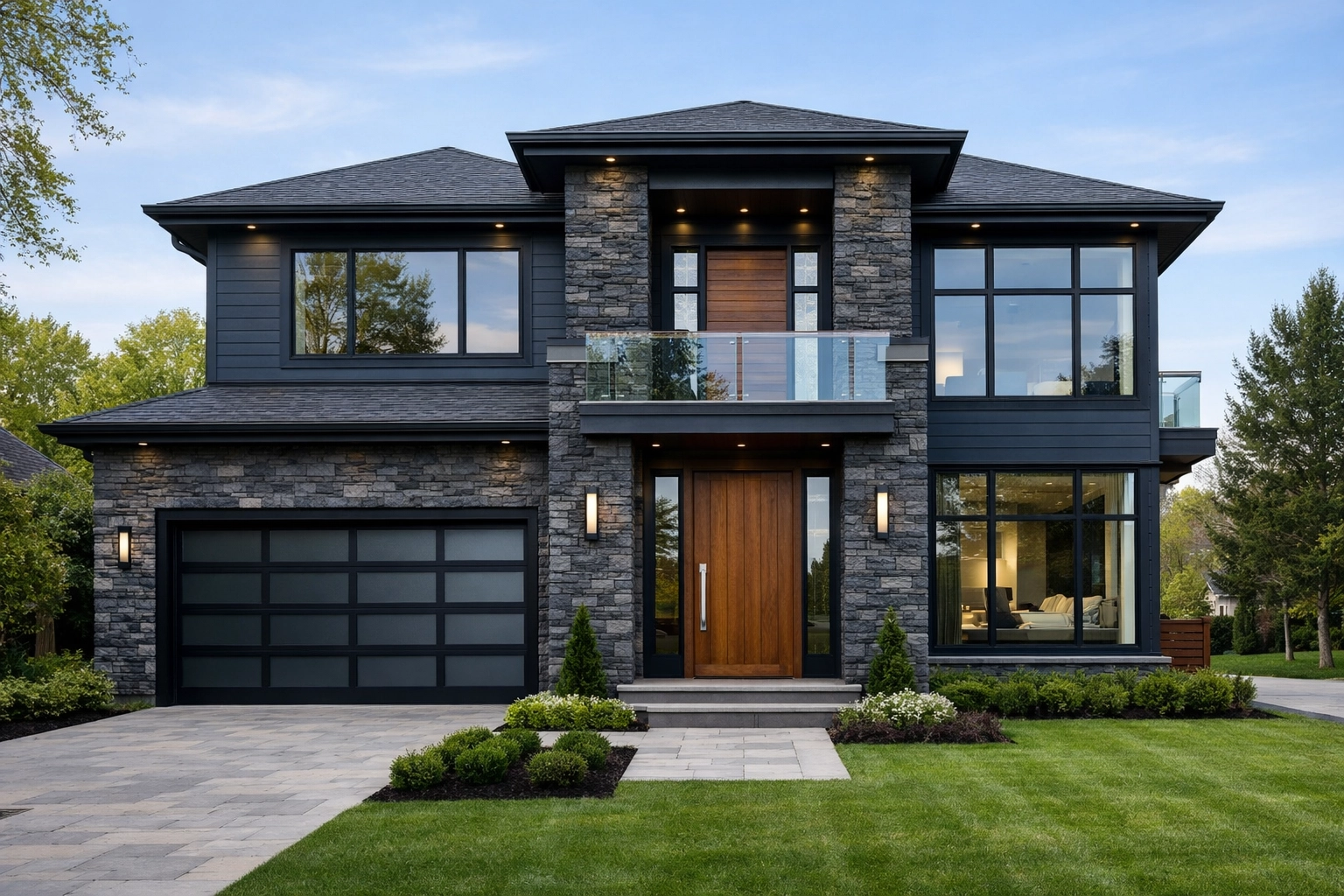
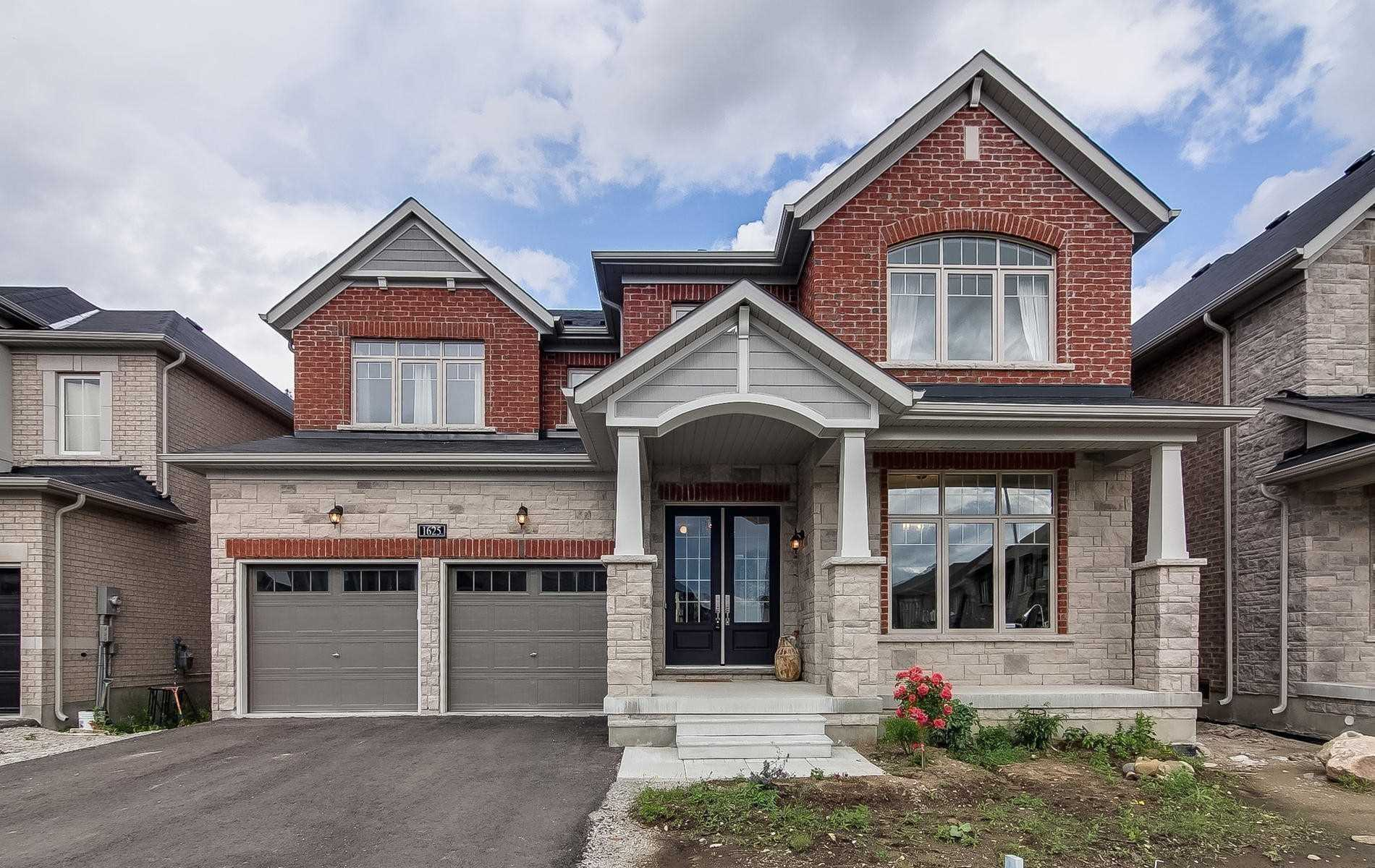
Modern suburban home in Aurora, illustrating the type of property now eligible for the 30-year amortization and $1.5M insured mortgage cap.
The Real Bottleneck: Income vs. Down Payment
A common misconception is that if you have the down payment, you can buy the house. However, BuyRealty.ca Brokerage emphasizes that the "How" of buying a house in Ontario is a two-part equation: Capital and Capacity.
Banks generally limit your mortgage amount to 4 to 5 times your household annual income. In the current 2026 market, to purchase a $1.2 million home in Vaughan with a minimum down payment, a household may need an annual income exceeding $220,000 to satisfy the Total Debt Service (TDS) and Gross Debt Service (GDS) ratios.
If your income doesn't support the loan amount for your dream home in North York, your only lever is to increase your down payment. This is why many buyers in the GTA end up putting down 35% or more: not because they want to, but because they have to in order to bridge the gap between their loan eligibility and the property price.
Newcomer Programs and Specialized Financing
Ontario remains a primary destination for newcomers to Canada. For those who have arrived within the last five years, specialized "Newcomer to Canada" mortgage programs exist.
Typically, if a newcomer has a limited Canadian credit history, lenders may require a 35% down payment. However, Cathy Dou, Broker of Record, notes that some lenders offer flexibility if the buyer can demonstrate a strong international credit report or consistent employment in a high-demand sector within Ontario. For more details on these specific paths, you can explore the Buyer's Guide at cathydou.com.
Strategic Saving: Where Does the Money Come From?
In 2026, savvy buyers are utilizing multiple "buckets" to compile their down payment:
- First-Home Savings Account (FHSA): A powerful tool allowing you to save up to $8,000 per year ($40,000 lifetime) with tax-deductible contributions and tax-free withdrawals.
- Home Buyers' Plan (HBP): Allowing you to withdraw up to $60,000 from your RRSP tax-free, provided it is repaid over 15 years.
- The "Bank of Mom and Dad": Gifted down payments are common in the Ontario market. Lenders require a "gift letter" to certify the funds are not a loan that needs to be repaid.
Local Market Insights: From North York to Innisfil
The amount of down payment you need is intrinsically linked to local property values.
- North York & Toronto: With many detached homes exceeding $1.5 million, the 20% rule is still very much the standard here. Condos, however, remain an accessible entry point for those with 5-10% down.
- Vaughan & Richmond Hill: These areas remain premium hubs. The new $1.5 million insured mortgage cap is particularly impactful here, allowing families to buy into these prestigious neighbourhoods with smaller initial outlays.
- Newmarket, Aurora & Bradford: These communities offer a "middle ground." You can often find high-quality detached homes in the $1.1 million to $1.3 million range, which are now prime candidates for the expanded 30-year amortization.
- Innisfil: For those seeking more space or waterfront options, Innisfil remains a strategic choice for investors and families alike. Learn more about regional trends at cathydou.com/market-updates.
Expert Advice from BuyRealty.ca Brokerage
Cathy Dou, Broker of Record and the team at BuyRealty.ca are committed to transparency and precision. Navigating the legalities of the Trust in Real Estate Services Act (TRESA) and ensuring that every client understands their rights and obligations is at the core of our service.
"A down payment is more than just a check you write at closing," says Cathy Dou. "It is the foundation of your equity. In a shifting market, having a larger down payment provides a safety net against market corrections and reduces your interest carry significantly."
When preparing to buy, ensure you have factored in closing costs: including Land Transfer Tax (which is doubled in the City of Toronto), legal fees, and home inspections. These typically add another 1.5% to 4% to your total cash requirement.
Conclusion
Determining how much down payment you need in Ontario is the first step toward a successful real estate transaction. With the 2026 rules providing more flexibility for homes up to $1.5 million and longer amortization periods, the door is opening wider for many Ontarians. However, the complexity of the GTA market means that professional guidance is indispensable.
Whether you are looking for Toronto real estate or a quiet corner in Simcoe County, we are here to provide a protected, strategic path to homeownership.
Call Cathy at 905-367-5924