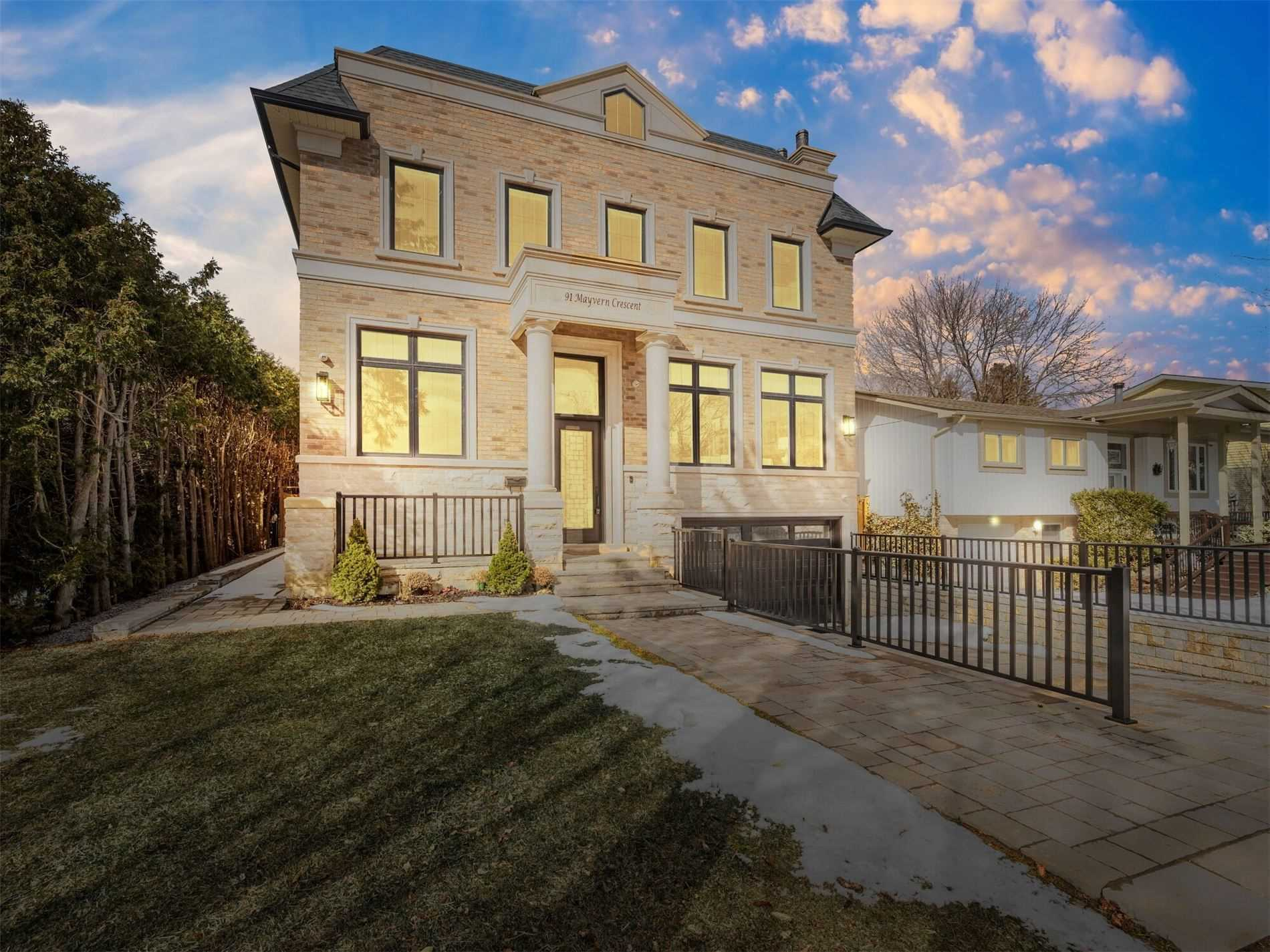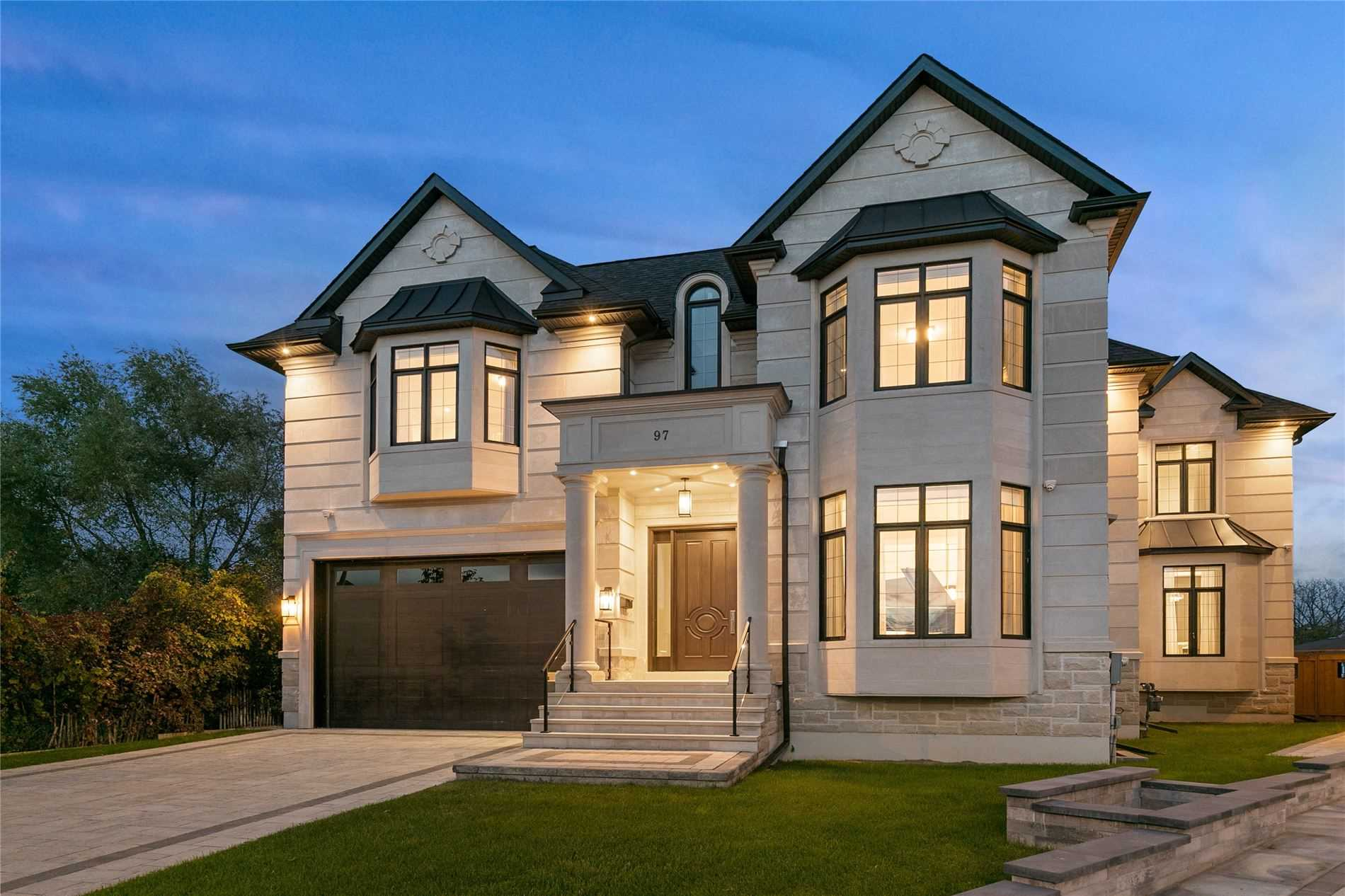


Navigating the Ontario real estate landscape in 2026 requires a blend of patience, data, and a bit of a "detective" mindset. If you’ve been following the headlines, you know that the Greater Toronto Area (GTA) isn't just one single market anymore: it’s a collection of mini-markets, each behaving differently. From the high-rise corridors of North York to the leafy streets of Richmond Hill and the expanding suburbs of Innisfil, the "one-size-fits-all" approach to real estate is officially a thing of the past.
As we move through the second quarter of 2026, we are seeing a fascinating "split market" dynamic. While detached homes in areas like Aurora and Newmarket remain relatively resilient, the toronto condo market update reveals a significant shift in power toward buyers. Understanding this divergence is the key to mastering your next move.
The Big Picture: Ontario’s Economic Shift
Ontario’s real estate market has undergone a significant recalibration over the last few years. According to recent data, the average GTA benchmark price sat at $938,800 in early 2026, marking a nearly 8% dip year-over-year. When you look at the four-year trajectory since the peak of early 2022, the total decline in average prices across the GTA is approximately 24.4%.
However, BuyRealty.ca notes that this isn't necessarily a "crash" but rather a return to fundamentals. The inventory levels have hit record highs, with active listings reaching nearly 18,000 units across the GTA. For buyers, this means more choice and, more importantly, more time to make a decision without the frenzied bidding wars of the past.
Breaking Down the "Split Market" Strategy
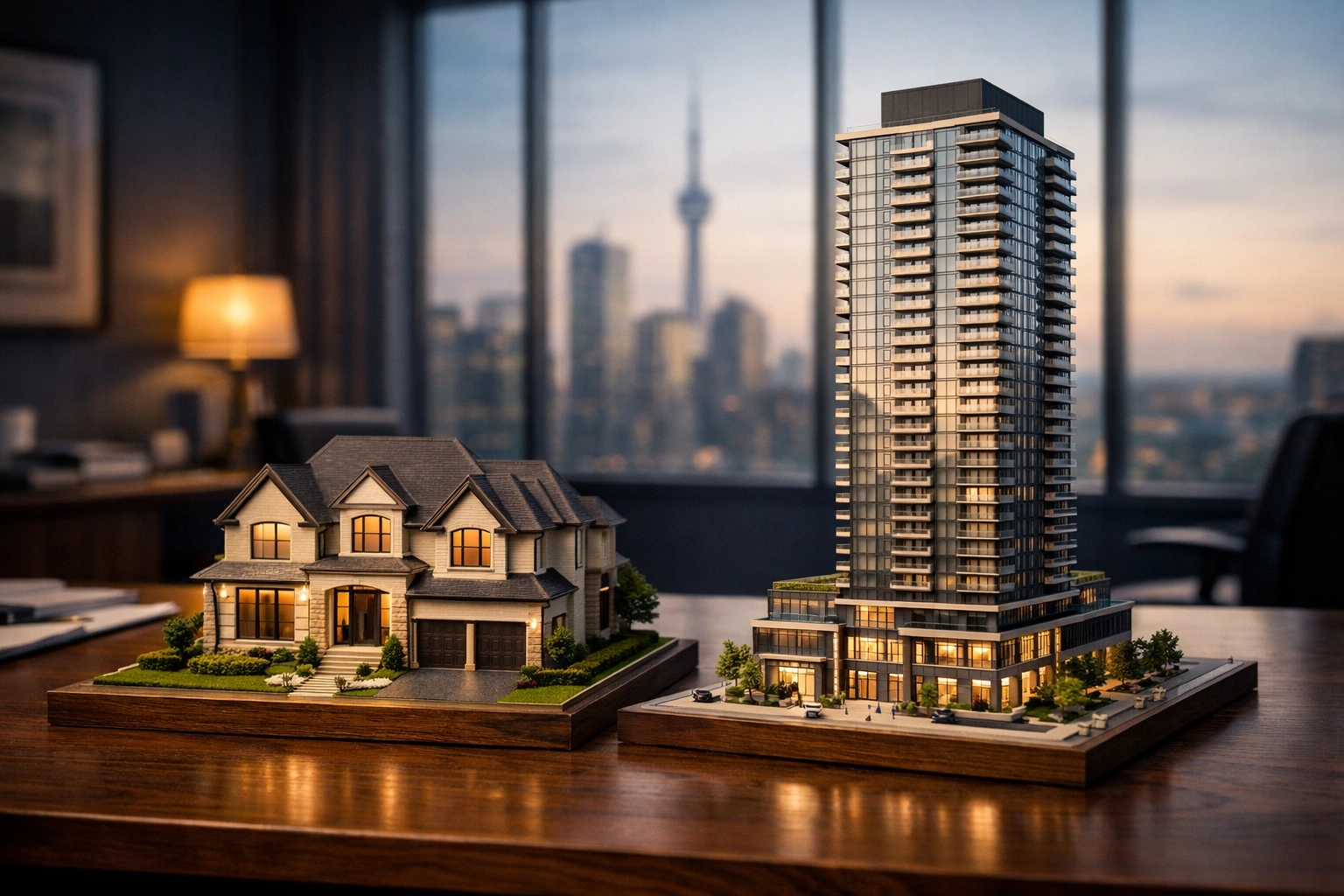
One of the most critical trends in the toronto housing market forecast for 2026 is the divergence between property types. Cathy Dou, Broker of Record at BuyRealty.ca Brokerage, advises clients to approach this comparison through both quantitative metrics and qualitative community factors.
1. Detached Homes: The Anchor of Stability
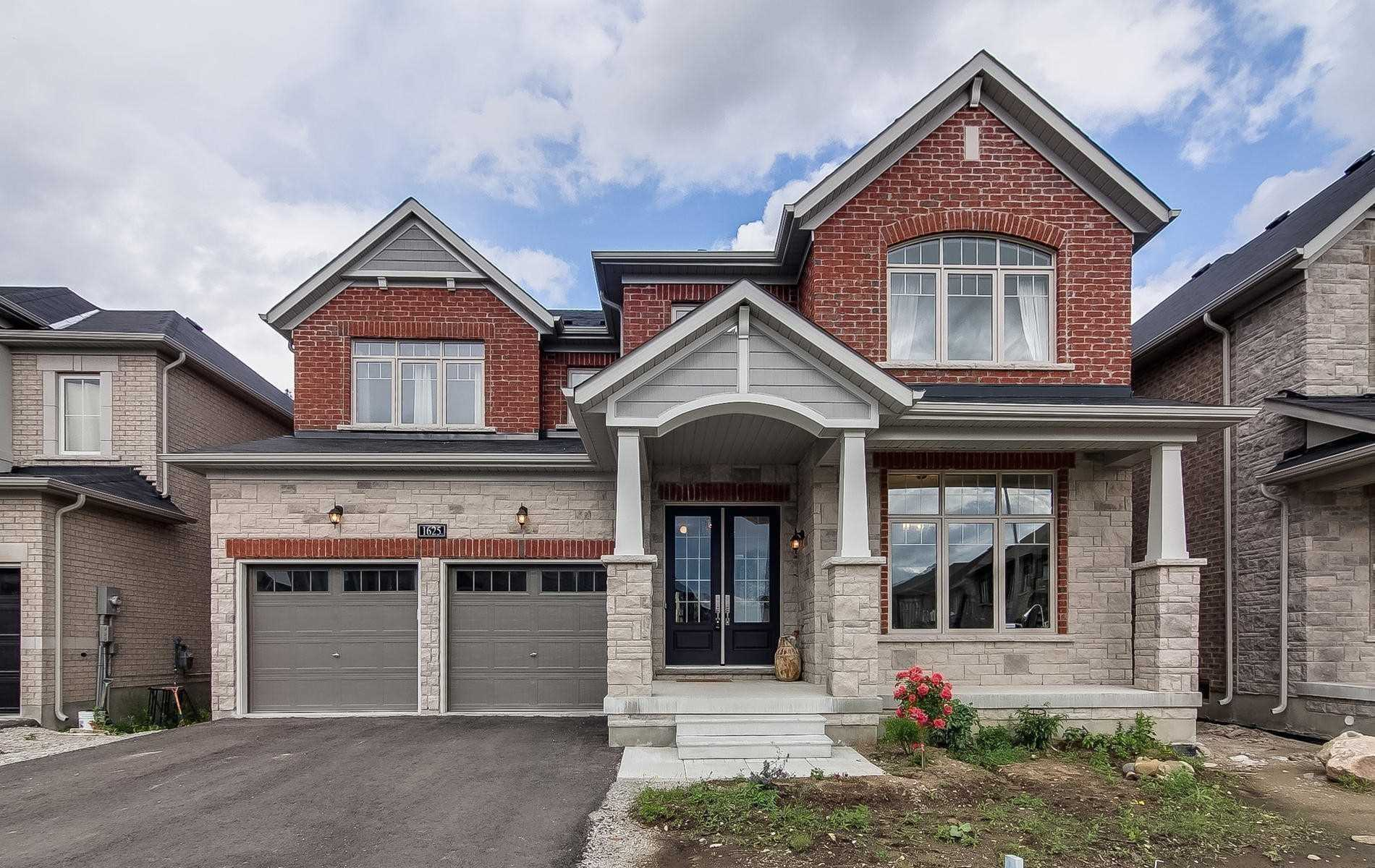
In suburban hubs like Markham, Vaughan, and Thornhill, detached homes have shown remarkable staying power. Prices for these assets are only down 1-2% year-over-year. Why? Because the supply of freehold land in the GTA remains limited, and the demand from growing families remains high. If you are looking at areas like Bradford or Newmarket, the "turnkey" detached home is still a hot commodity, even if it takes a few more weeks to sell than it used to.
2. The Condo Market: A Buyer’s Opportunity
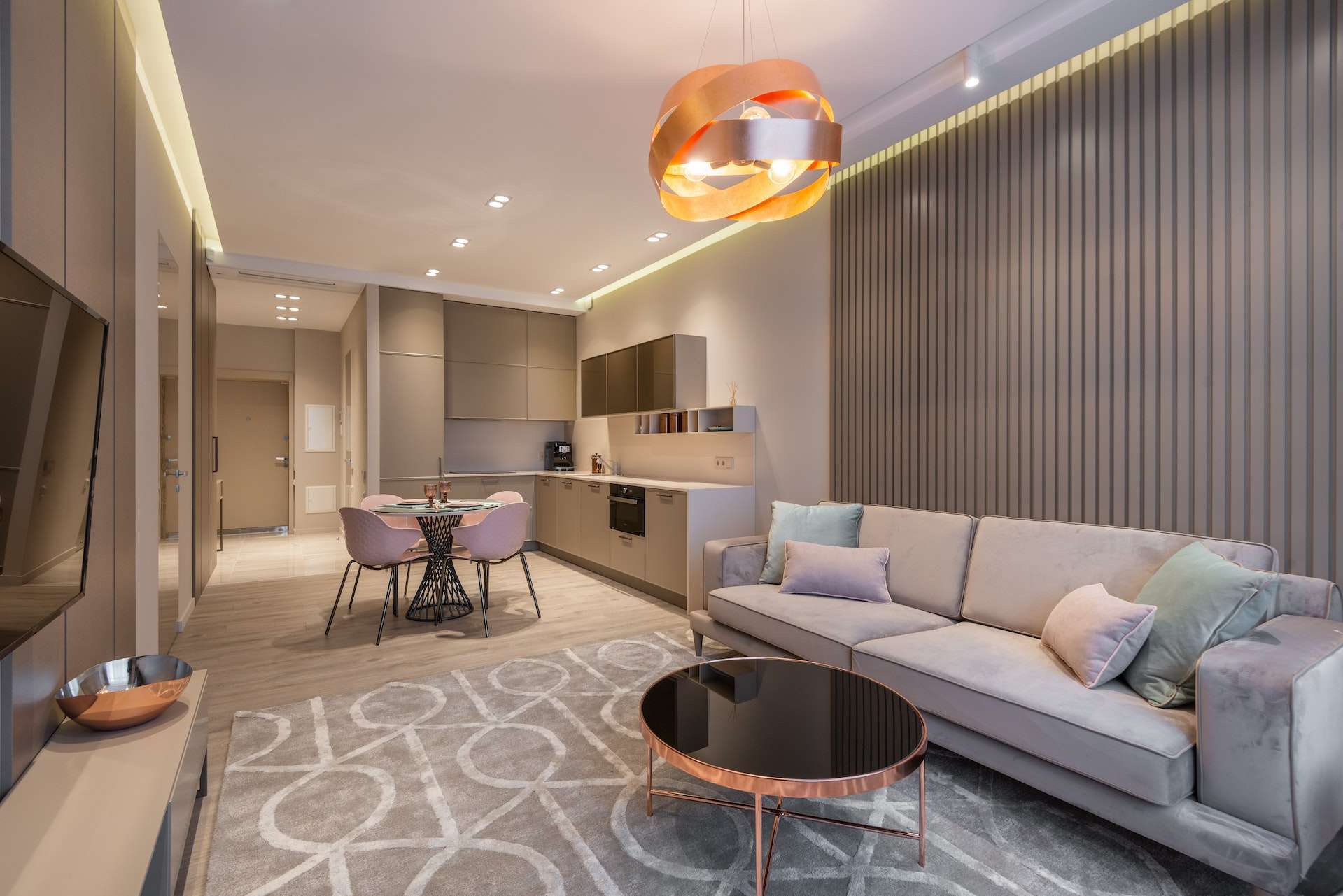
The condo sector tells a different story. In Toronto proper, condo prices have seen a decline of nearly 24.5% compared to previous years, with the average price hovering around $452,200. This is largely due to an oversupply of inventory: nearly 20,000 condo listings are currently active across the GTA. For investors or first-time buyers looking at condos for sale in North York, this represents the most accessible entry point we’ve seen in a decade.

Local Spotlight: From North York to Innisfil
To truly master the market, we have to look at the specific neighbourhoods where the action is happening. BuyRealty.ca Brokerage tracks these hyper-local movements closely to ensure clients have a protected, strategic path to homeownership.
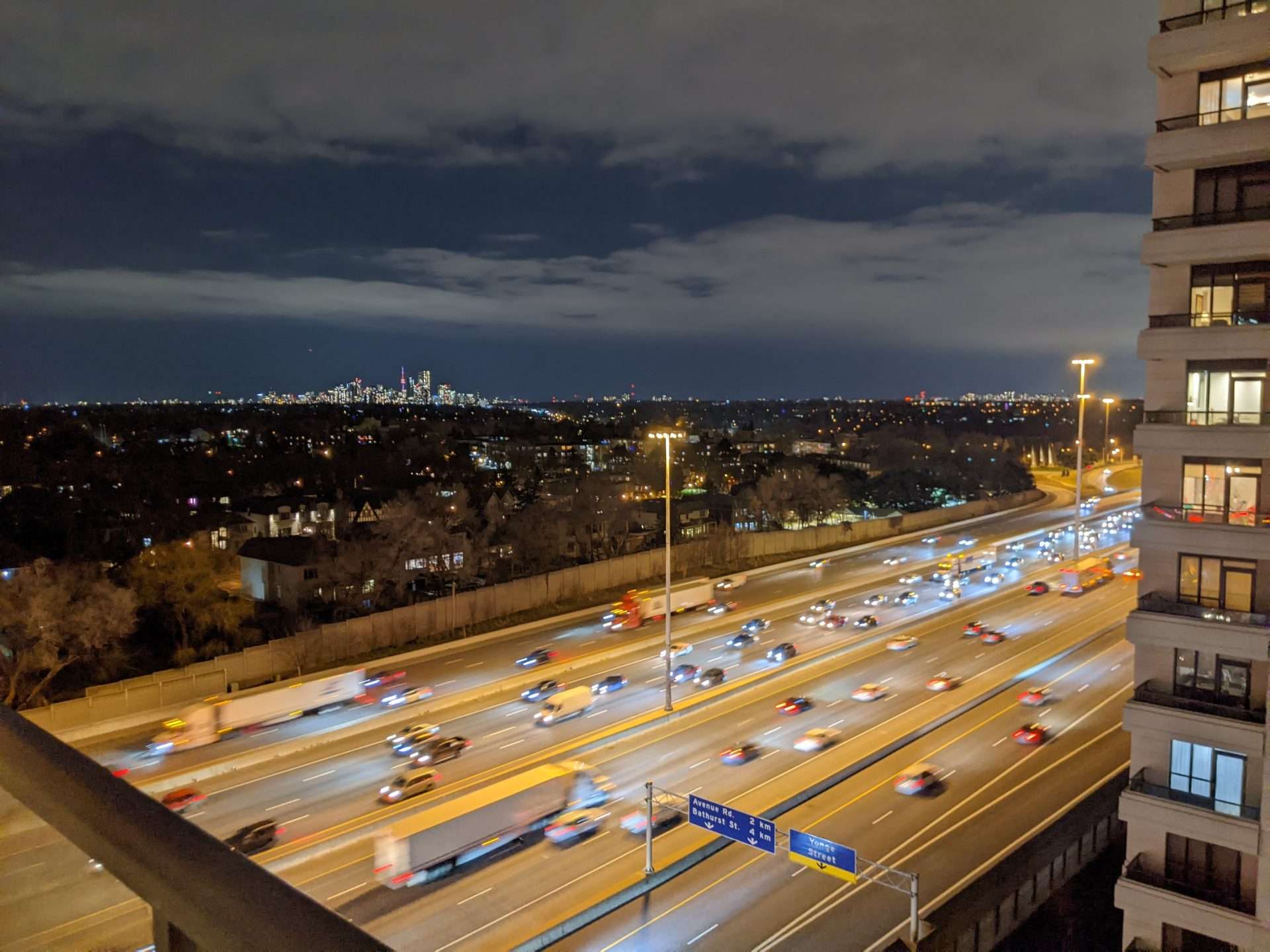
- North York & Thornhill: These areas remain the "sweet spot" for those who want urban amenities with suburban space. While the condo market here is facing pressure, the freehold market near Finch Station and along the Yonge corridor remains a primary focus for long-term investors.
- Richmond Hill & Markham: These communities continue to be the gold standard for school-district-driven demand. Even with a broader market cooling, properties in top-tier school zones are holding their value better than the GTA average.
- Vaughan & Aurora: We are seeing a lot of "upgrading" activity here. Families are taking advantage of the equity in their smaller homes to move into larger, high-end properties while the price gap is narrower.
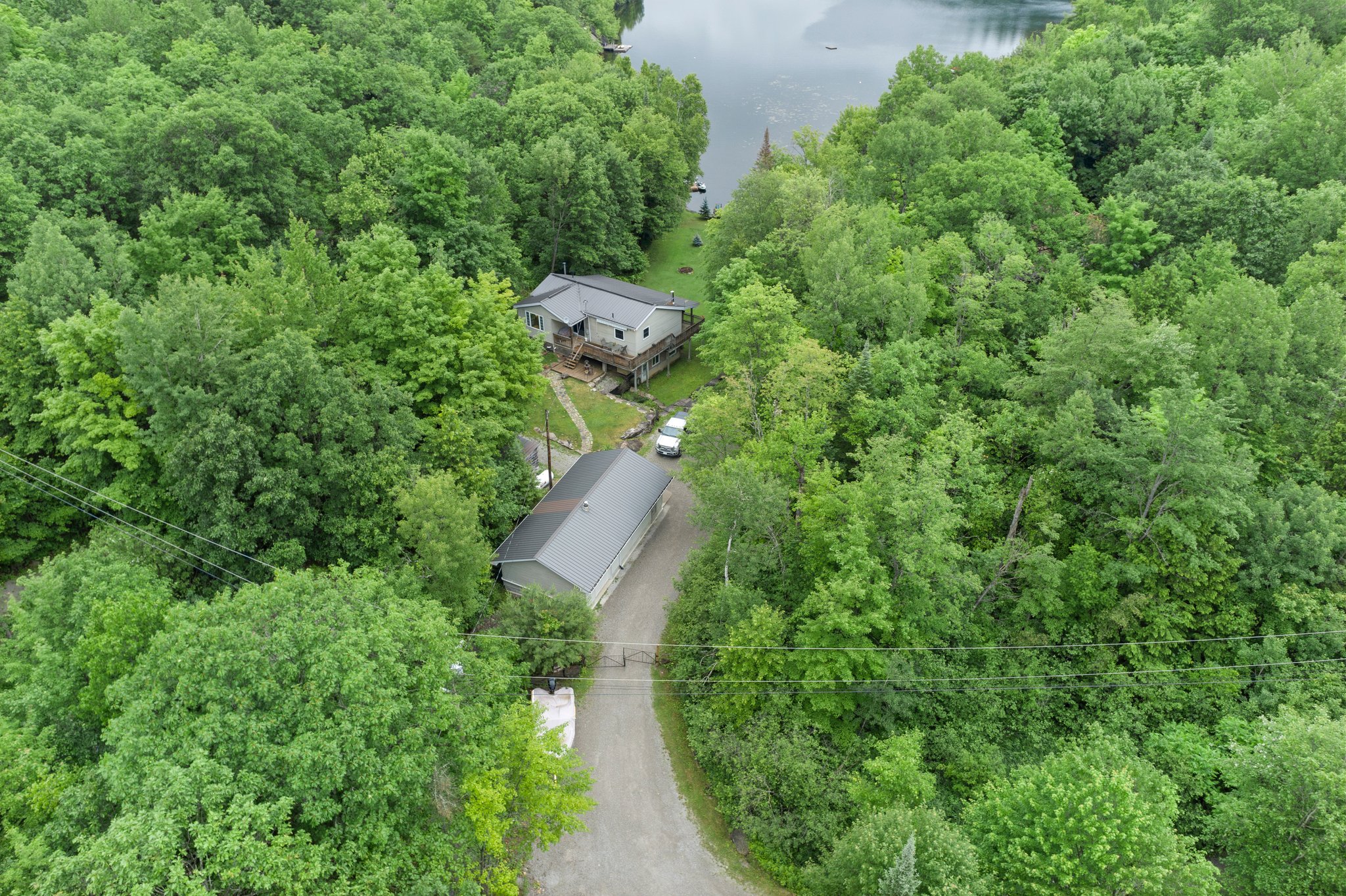
- Newmarket, Bradford & Innisfil: The "northward migration" is still alive, but it’s more calculated now. Buyers are looking for value and lifestyle, often trading a shorter commute for a larger backyard or proximity to Lake Simcoe.
The Role of Supply and Construction
A major factor influencing the 2026 forecast is the slowdown in new construction. Housing starts are projected to hit 20-year lows this year. High interest rates and financing thresholds have caused many developers to delay or cancel new condo projects.
For the first time in recent history, rental starts have actually exceeded condo starts in Toronto. This suggests that while ownership supply is tightening, the rental market is expanding. For a buyer, this means that the "oversupply" we see today might be a temporary window. Once the current inventory is absorbed and the lack of new builds kicks in, we could see a tightening of the market by late 2027 or 2028.

Expert Guidance: Navigating TRESA and RECO Regulations
In a shifting market, transparency is your greatest asset. Under the Trust in Real Estate Services Act (TRESA), consumers in Ontario have more clarity and protection than ever before. Cathy Dou, Broker of Record at BuyRealty.ca Brokerage, emphasizes that understanding your representation options is crucial.
Whether you are dealing with a "latent defect" in an older home in North York or navigating a complex "Agreement of Purchase and Sale" for a pre-construction unit that’s been delayed, having an expert who follows RECO standards is non-negotiable. Real estate isn't just a transaction; it's a legal and financial commitment that requires professional oversight.
Affordability and the First-Time Buyer
There is a silver lining in the 2026 forecast: affordability has improved significantly. TRREB’s annual survey highlights that roughly 45% of those intending to buy a home this year are first-time buyers. With prices in the condo sector becoming more realistic and sellers in the freehold market becoming more open to negotiations (the average condo is currently selling for 3% below asking), the barrier to entry has lowered.
If you’ve been sitting on the sidelines, this year offers a unique chance to enter the market without the "bully offers" and "no-condition" requirements that plagued previous years. You now have the right to include home inspections and financing conditions: protections that are vital for a healthy real estate journey.

Looking Ahead: The Second Half of 2026
What should we expect for the rest of the year? TRREB projects total sales between 60,000 and 70,000 units. While the first half of the year has been cautious, a boost in consumer confidence could unlock pent-up demand by the autumn.
The immigration slowdown expected in 2026 might ease some rental pressure, but the fundamental desire for homeownership in the GTA remains high. The key is to look for value in the "split." If you are selling, focus on presentation and realistic pricing to stand out in the high-inventory environment. If you are buying, take advantage of the choice and the improved bargaining power.
Mastering the market doesn't mean timing the bottom perfectly; it means making a move that fits your long-term goals when the conditions allow for a protected and strategic purchase.

At BuyRealty.ca Brokerage, we are committed to providing the clarity and strategic insight needed to navigate these complex cycles. Whether you are eyeing a luxury listing in Richmond Hill or a modern condo in North York, our focus is on ensuring you have all the data to make an informed choice.
Call Cathy at 905-367-5924