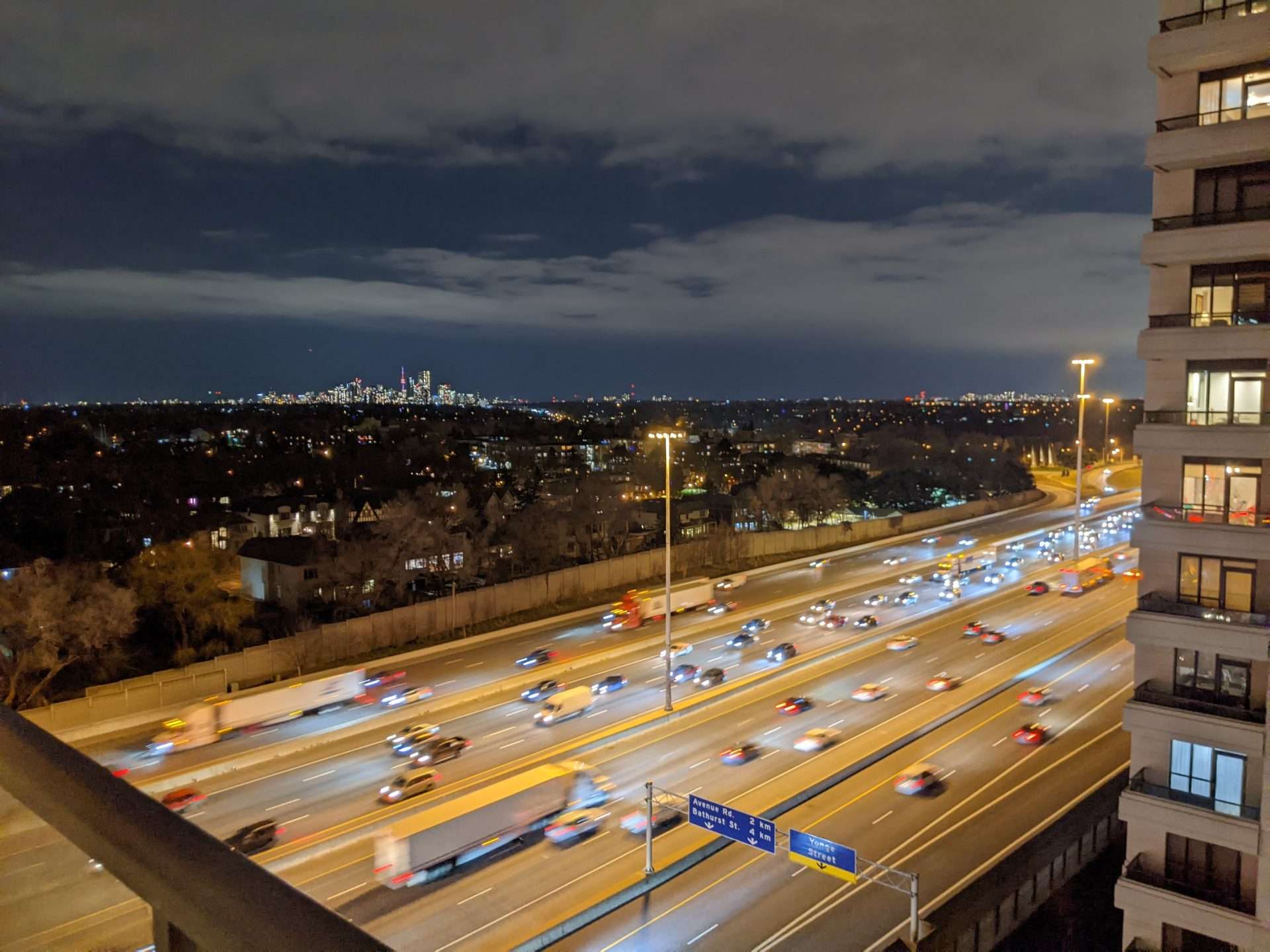
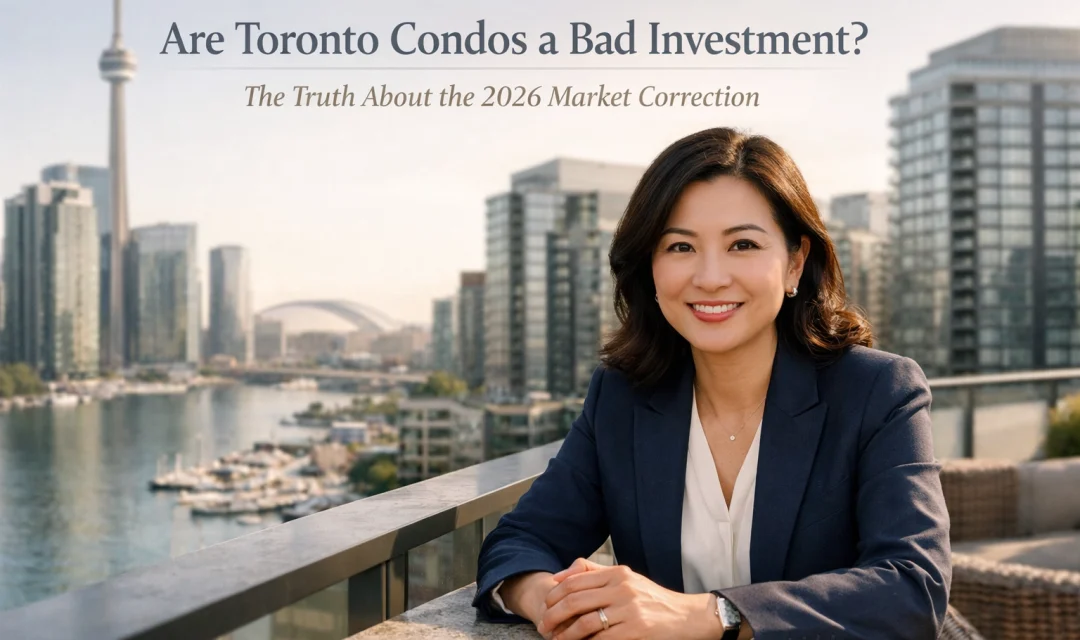

The skyline of the Greater Toronto Area (GTA) has long been defined by its soaring glass towers, symbols of a decade-long real estate boom that seemed invincible. However, as we move through March 2026, the narrative surrounding the high-rise sector has shifted dramatically. Investors and prospective homeowners alike are asking the same pointed question: Are Toronto condos a bad investment?
To answer this, one must look beyond the sensationalist headlines and examine the structural changes occurring within the Ontario housing landscape. From the implementation of the Trust in Real Estate Services Act (TRESA) to shifting interest rate environments, the market is currently undergoing a fundamental reset. This is not merely a "dip" but a sophisticated correction that separates speculative gambles from strategic, long-term real estate holdings.
The Big Picture: The Ontario Market in 2026
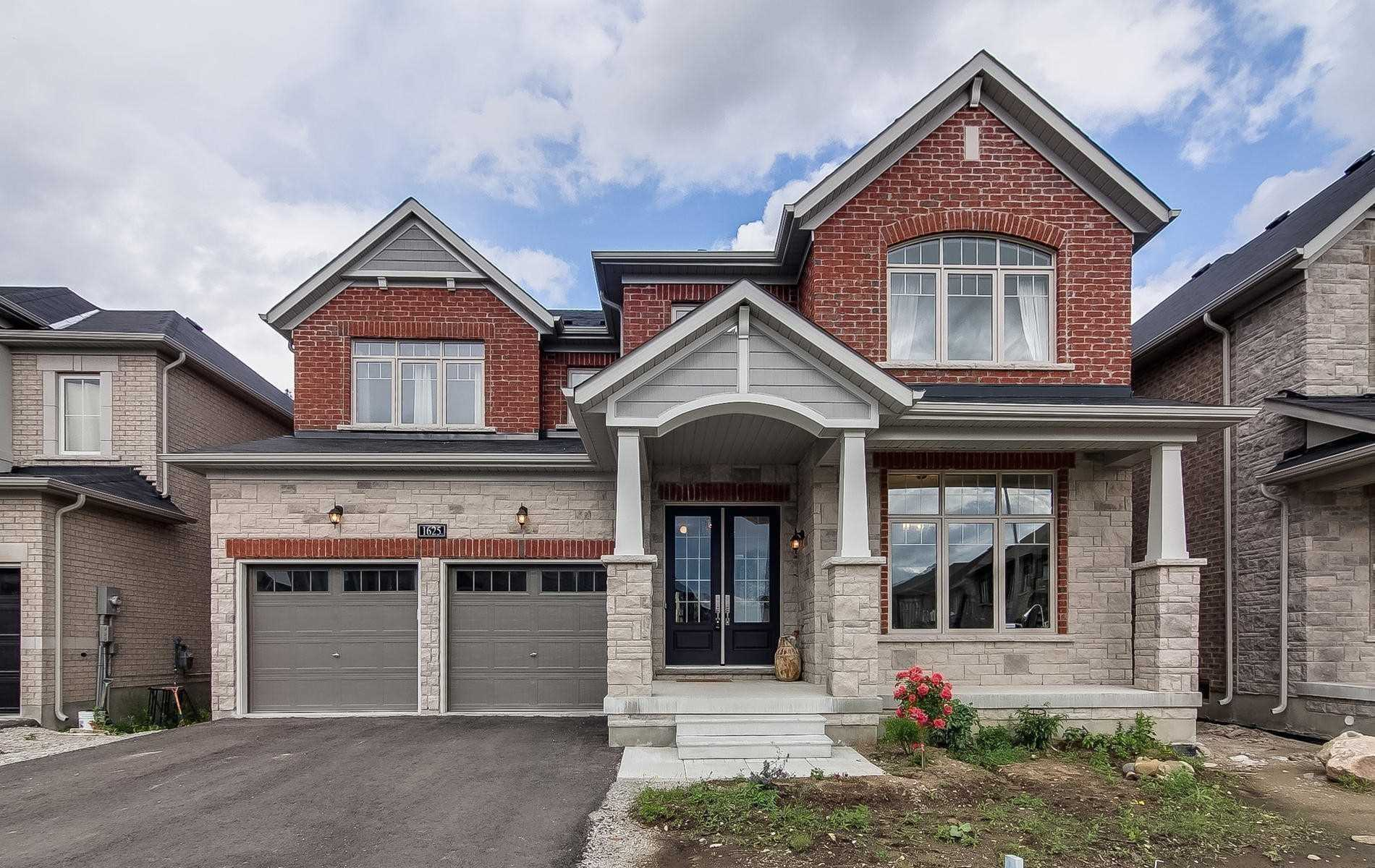
Before drilling down into the specific toronto condo market update, it is essential to understand the provincial context. Across Ontario, the real estate market is grappling with the aftermath of sustained high borrowing costs and a significant shift in buyer sentiment. While low-rise freehold properties in areas like Aurora, Newmarket, and Innisfil have shown relative resilience due to their scarcity, the condo sector: particularly in the urban cores: is facing a surplus of inventory.
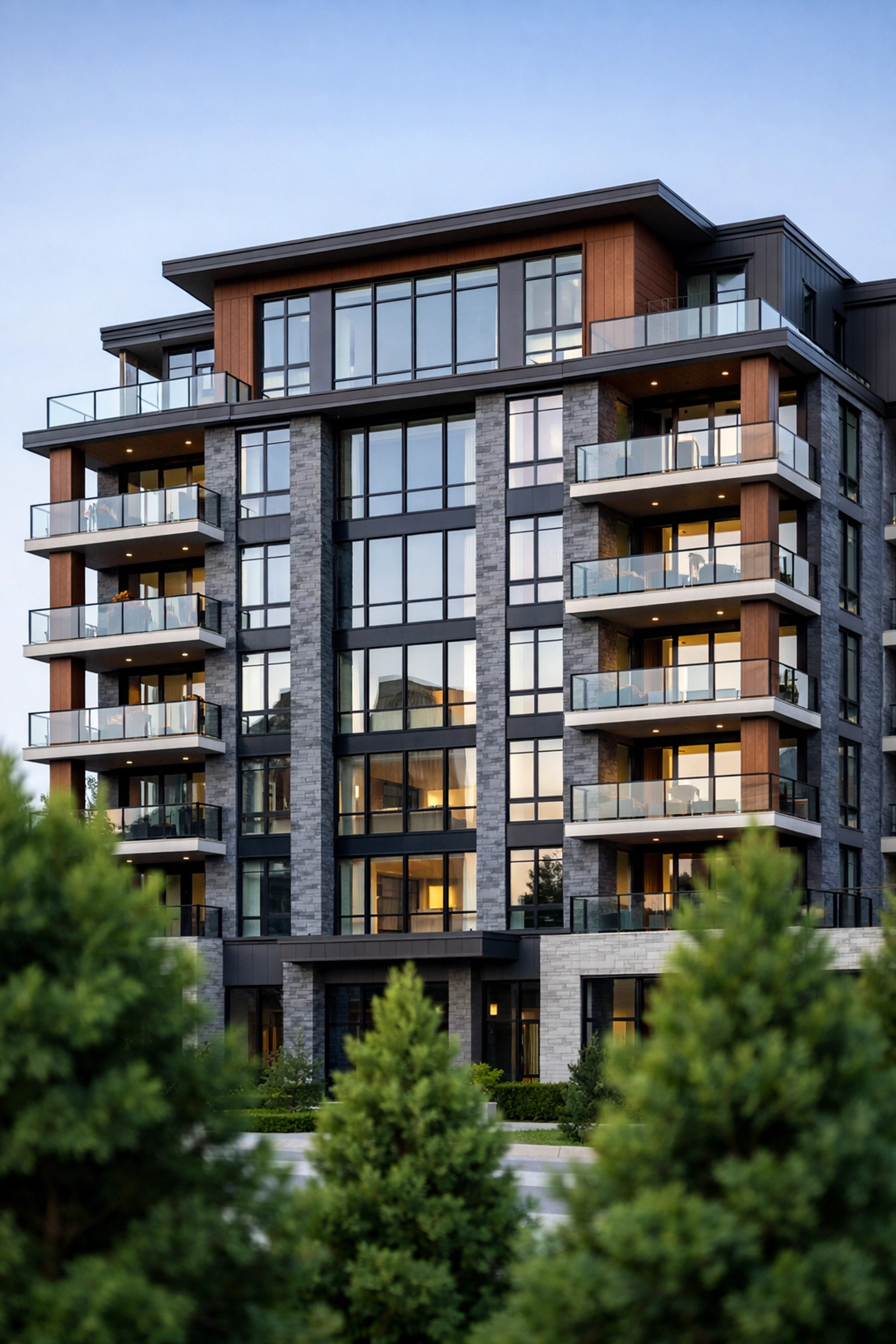
According to recent data, Ontario’s housing market is seeing a pivot. Developers are increasingly moving away from the "investor-centric" high-rise model, which focused heavily on micro-units, toward mid-rise and ground-oriented projects. This shift is a response to a cooling in speculative demand. For those navigating this landscape, BuyRealty.ca remains committed to providing transparent, data-driven insights to ensure every Agreement of Purchase and Sale is backed by sound logic rather than market euphoria.
Toronto Condo Market Update: The Numbers Behind the Noise
As of early 2026, the statistics for the Toronto condo sector reflect a clear buyer’s market. Sales transactions across the Toronto Regional Real Estate Board (TRREB) jurisdiction have seen a year-over-year decline of nearly 20%. Price points have followed suit, with average condo valuations down approximately 6.5% compared to this time last year.

The correction is most visible in the "investor-heavy" segments of the market. Smaller units, particularly those under 500 square feet, are being hit the hardest. These units, often referred to as micro-condos, were the darlings of the pre-construction boom. Today, they represent a significant portion of the "stagnant" inventory. Cathy Dou, Broker of Record at BuyRealty.ca Brokerage, advises clients to distinguish between high-density investment vehicles and "end-user" properties that offer functional living space.
Regional Variations: North York, Markham, and Vaughan
While the downtown core struggles with oversupply, suburban condo markets in North York, Markham, and Vaughan are experiencing a slightly different trajectory. These areas often attract families or downsizers looking for larger square footage.
- North York: Values have softened but remain supported by those seeking proximity to the subway without the density of the downtown core.
- Markham and Richmond Hill: These markets are seeing a "flight to quality." Condos in top-rated school districts continue to hold a premium, though the days of rapid bidding wars are largely in the past.
- Vaughan: With the development of the Vaughan Metropolitan Centre, there is a significant amount of new supply. This has created a competitive environment where buyers can negotiate more favourable terms.
Why the 2026 Market Correction is Happening
Several factors have converged to create the current "perfect storm" for Toronto condos:
- The End of Speculative Flipping: New anti-flipping taxes and vacancy levies have effectively removed the "get-rich-quick" segment from the market. While this has slowed sales, it is a necessary step toward a healthier, more stable market.
- The "Negative Carry" Reality: For many years, investors relied on capital appreciation to offset rental income that didn't cover mortgage costs. With prices softening, the "negative carry" (where expenses exceed rent) is no longer sustainable for many small-scale landlords.
- Inventory Surcharge: A massive wave of completions from projects sold in 2020 and 2021 is hitting the market simultaneously. This surge in supply, coupled with higher interest rates, has given buyers unprecedented leverage.

Toronto Housing Market Forecast: Looking Ahead to 2027
Despite the current cooling, the toronto housing market forecast for the late 2026 and 2027 period suggests a potential rebound. Why? Because the very conditions causing today's slump are laying the groundwork for a future supply shortage.
Developers have dramatically reduced new project launches over the past 18 months due to financing challenges and weak demand. In the real estate cycle, a lack of new "starts" today leads to a "supply crunch" three to four years down the line. For the disciplined investor with a five-to-ten-year time horizon, the current correction may represent one of the best entry points in a decade.
Furthermore, as the Bank of Canada continues to normalize interest rates, affordability will gradually improve. When the "sideline buyers": those currently waiting for the absolute bottom: eventually move back into the market, the existing inventory will be absorbed rapidly.
Is it a "Bad" Investment?
The answer depends entirely on your strategy. If you are looking for a short-term flip in a 400-square-foot unit, the risks currently outweigh the rewards. However, if you are looking for a turnkey investment in a well-managed building with functional floor plans, the current market offers a rare opportunity to buy at prices not seen in years.
Cathy Dou, Real Estate Agent and Broker of Record at BuyRealty.ca Brokerage, advises clients to focus on the "Three Ps":
- Prudence: Do not over-leverage. Ensure you have the financial flexibility to weather continued price volatility through the remainder of 2026.
- Product: Look for larger units or mid-rise buildings that appeal to long-term tenants and future end-user buyers.
- Positioning: Focus on transit-oriented developments or those in established neighbourhoods like Thornhill or Bradford that maintain consistent demand.

Navigating TRESA and Your Rights
In this shifting market, the importance of professional representation cannot be overstated. Under the Trust in Real Estate Services Act (TRESA), Ontario consumers have enhanced protections and more clarity regarding the relationships they hold with their brokerages. At BuyRealty.ca Brokerage, we pride ourselves on absolute transparency. Whether you are navigating a multiple-representation scenario or seeking a detailed market valuation, our role is to mitigate risk and oversee every detail of the transaction with integrity.
For those interested in exploring more about the current market shifts, you may find our previous guides on financing basement apartments or navigating first-time buyer incentives helpful.
Conclusion: Strategy Over Speculation
The Toronto condo market isn't "broken"; it is maturing. The 2026 correction is a reminder that real estate is a long-term asset class, not a volatile tech stock. While the headlines may focus on the 6.5% drop in prices, the savvy observer sees a market that is becoming more accessible and more balanced.
By focusing on quality builds, larger living spaces, and transit-accessible locations, investors can still find significant value in the GTA. The key is to move away from the speculative mindset of the past and embrace a strategic, research-based approach.

If you are looking for a protected, strategic path to property ownership in Toronto, North York, or the surrounding York Region, expertise is your greatest asset.
Call Cathy at 905-367-5924
BuyRealty.ca Brokerage
Helping you navigate the Ontario real estate market with clarity and integrity.