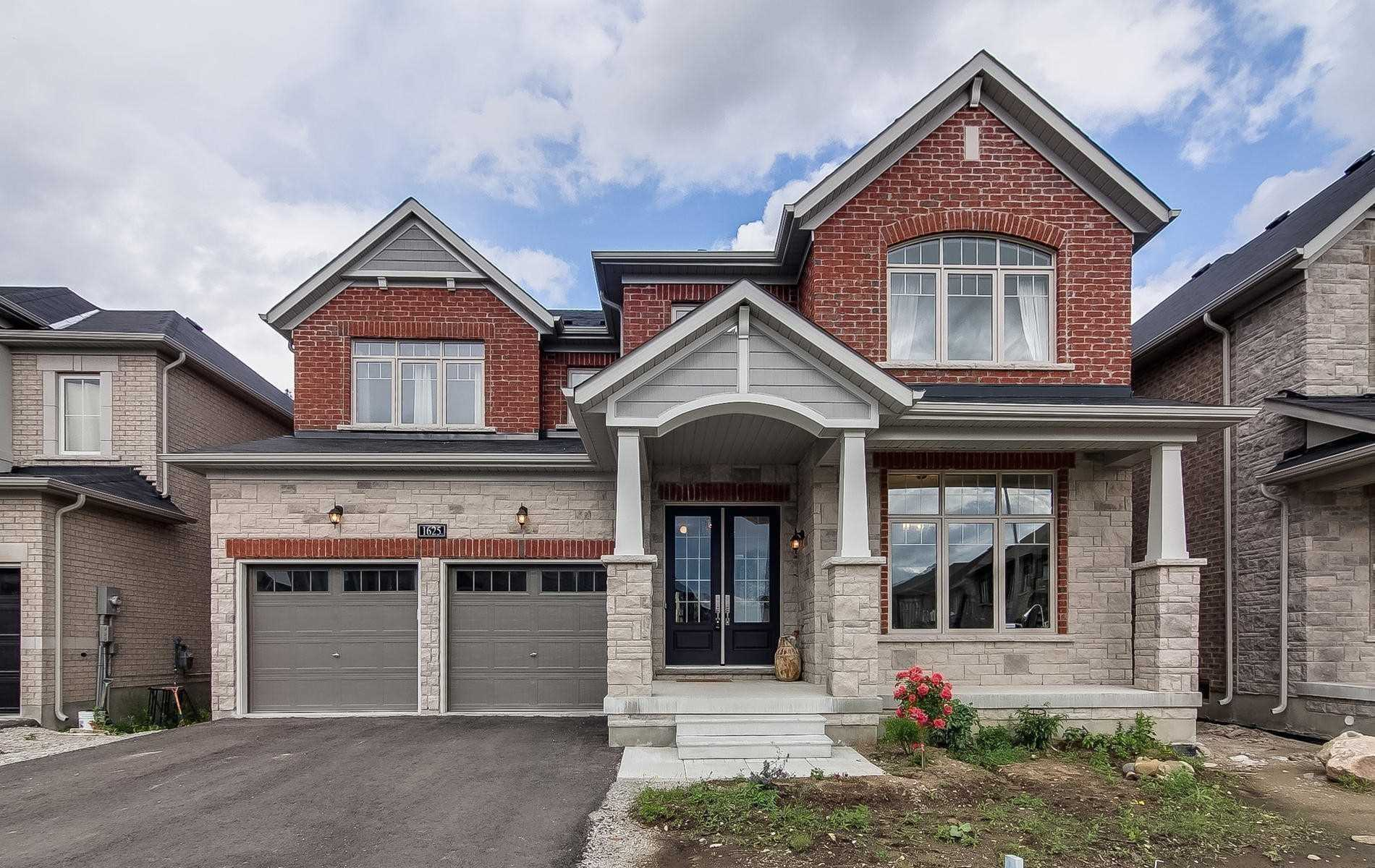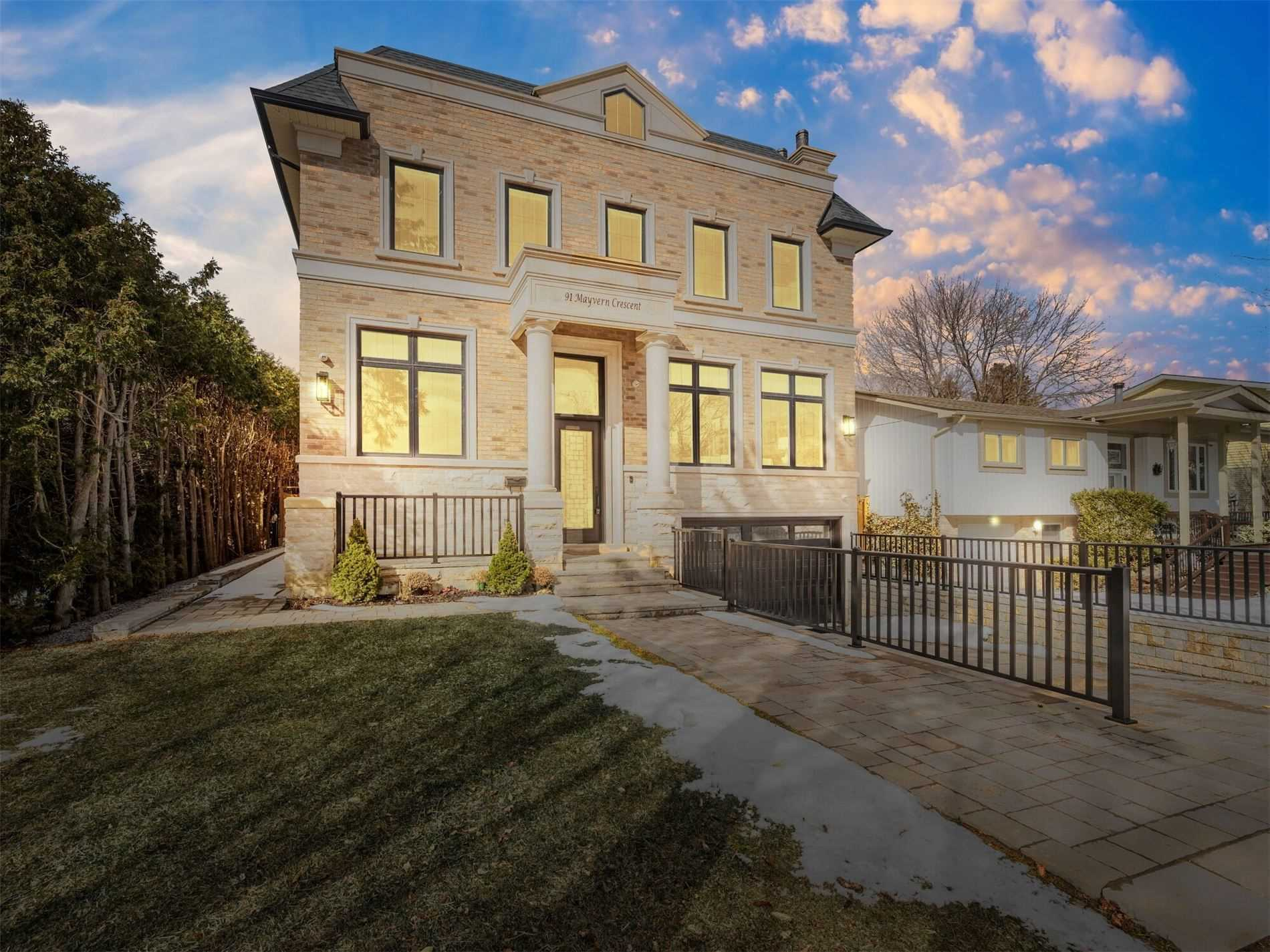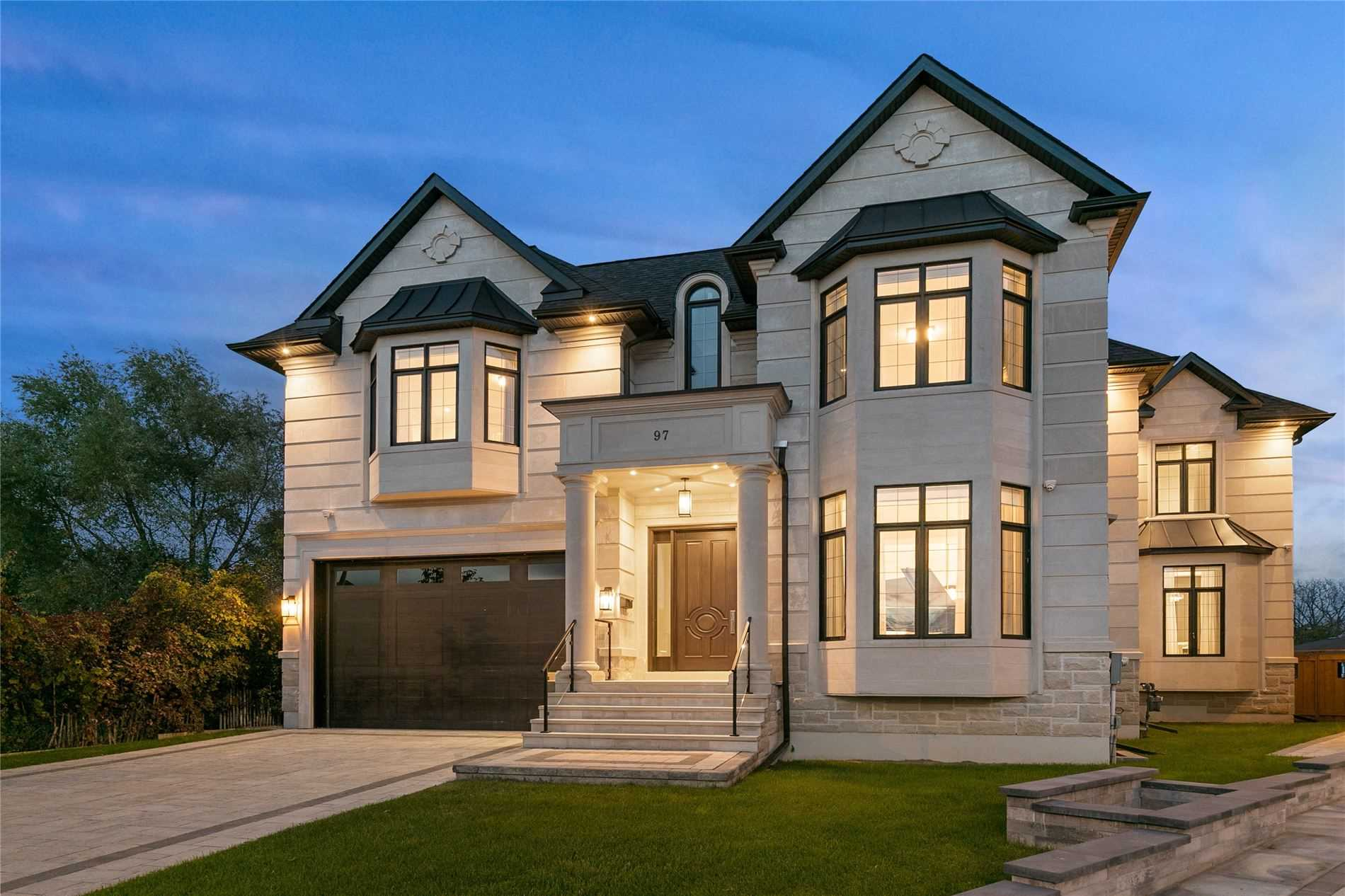


The rent-versus-buy decision in Ontario has never been more nuanced. With rental prices dropping in Toronto, mortgage rates stabilizing, and wildly different economics across the province's markets, 2026 presents a rare moment of opportunity: but only if you understand the numbers behind your specific situation.
Let's cut through the noise and examine what the data actually tells us about making this decision in today's market.
The Toronto Market: An Unusual Window of Opportunity
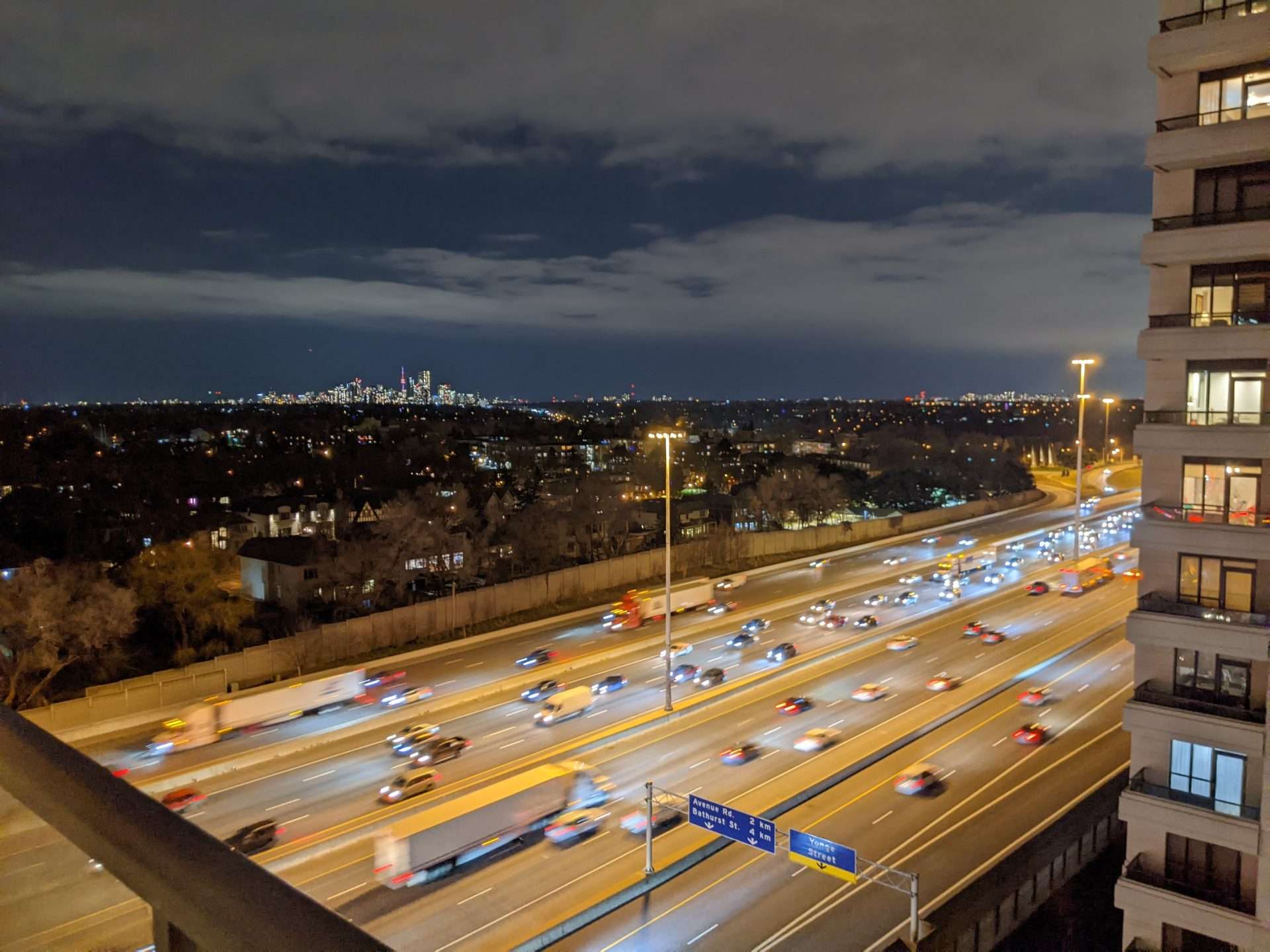
Toronto is presenting first-time buyers with conditions we haven't seen in years. Rental prices have hit 44-month lows, with average one-bedroom apartments now at $2,495: down 4.6% year-over-year. At the same time, five-year fixed mortgage rates have stabilized around 4.5%, significantly lower than the 6%+ rates that dominated 2023-2024.

But here's the reality check: monthly ownership costs still run $1,000–$1,500 higher than renting comparable units. You're looking at $3,500–$4,000 monthly for ownership versus $2,300–$2,600 for renting the same type of property.
So why would anyone buy?
The mathematics shift dramatically when you extend your timeline. The break-even point sits at 5–6 years. After that threshold, ownership accumulates approximately $248,000 in net advantage through equity building and property appreciation over a decade. That's not speculation: that's the compounding effect of principal reduction and moderate appreciation in a stable market.
Entry-level condos under $750,000 remain the fastest ownership pathway, requiring down payments around $140,000 plus approximately $20,950 in Ontario Land Transfer Tax.
Beyond Toronto: The Ontario Market Mosaic
The province's real estate landscape isn't monolithic. Price-to-rent ratios vary dramatically across Ontario cities, fundamentally changing the economics of ownership:
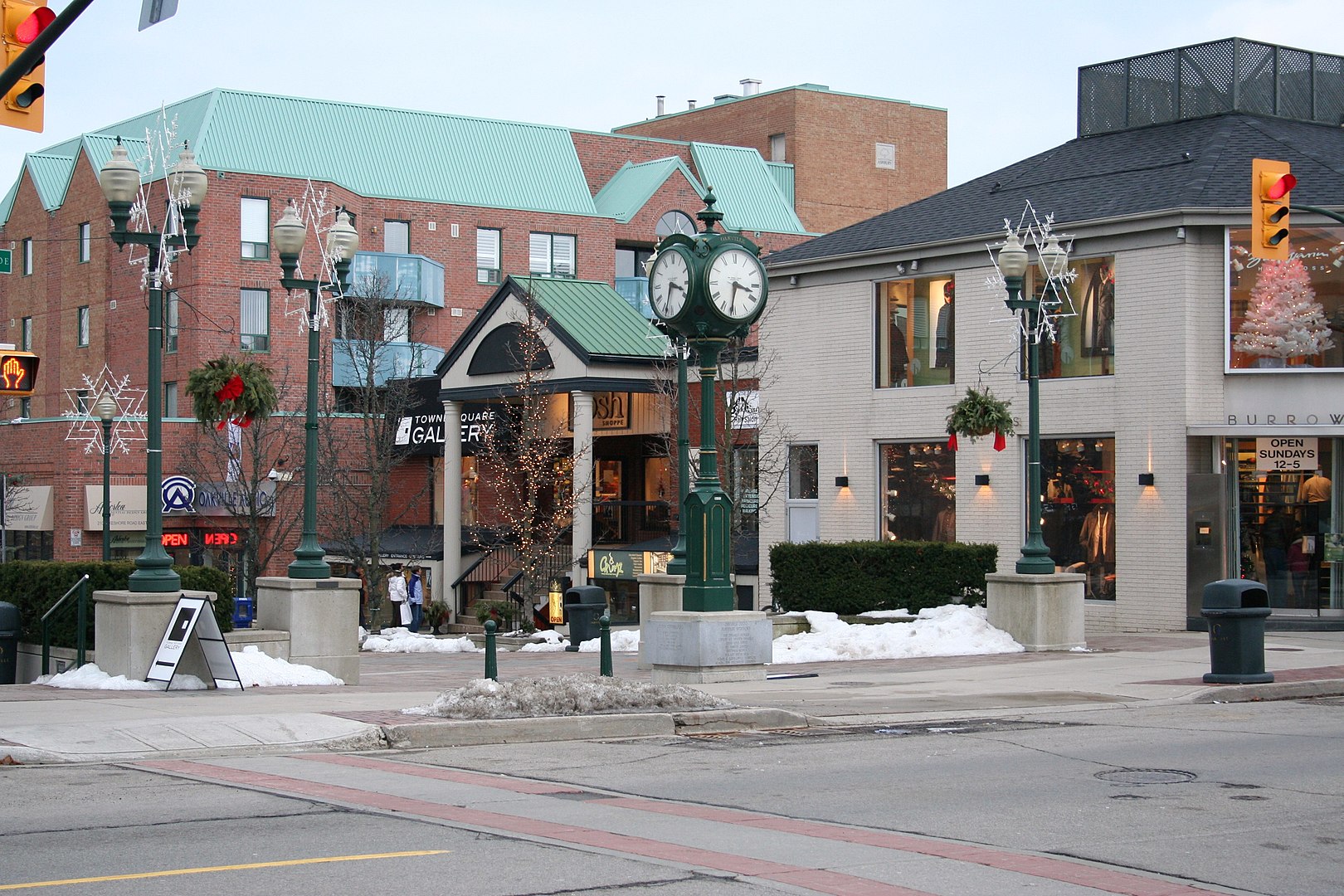
Oakville presents the largest disparity in the province: $2,240 higher monthly costs to own versus rent. The cash-flow advantage of renting here is substantial and difficult to justify overcoming unless you're committed to a 10+ year timeline.
Waterloo shows a $781 monthly premium for ownership. The "tech hub effect" creates steep barriers, and renters maintain significant flexibility without the carrying costs.
Hamilton sits around $1,000 higher monthly for ownership. As you move up from mid-market properties, costs accelerate aggressively.
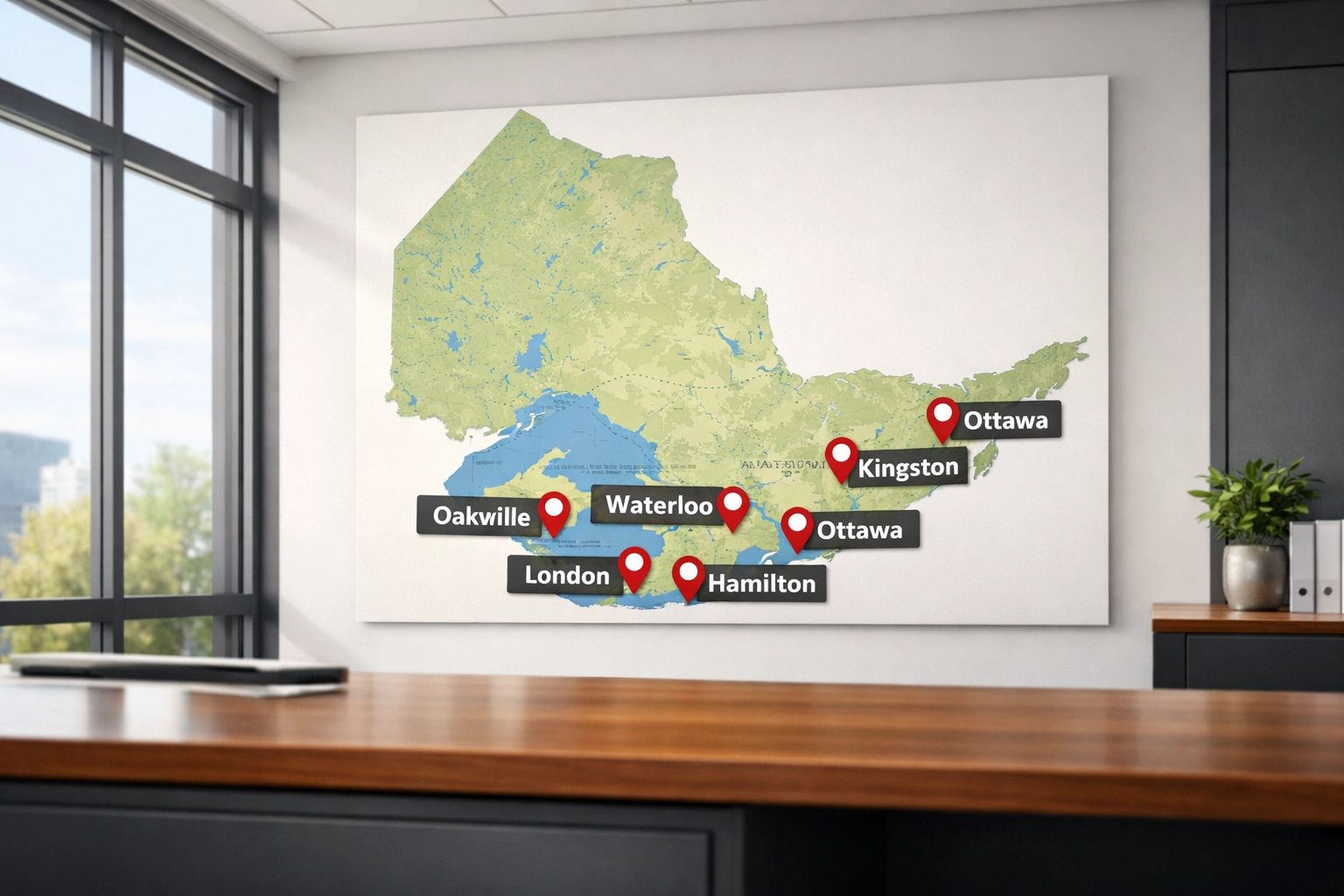
Cambridge, Barrie, and Oshawa cluster in the $735–$923 monthly premium range. These markets show rapid cost acceleration beyond the mid-market threshold.
Ottawa maintains a moderate $400–$450 gap between renting and owning: one of the more balanced markets for evaluating lifestyle versus investment priorities.
London presents a $416 monthly ownership premium: modest enough that the wealth-building case starts to compete with rental flexibility.
Kingston offers one of Ontario's tightest margins at just $226 higher monthly to own. Here, the decision tilts heavily toward ownership if you meet the timeline and down payment requirements.
The Hidden Costs Renters Overlook
Base rent tells only part of the story. Ontario's 2.5% guideline increase for 2026 means a $2,500 monthly rent becomes $2,821 after five years: compounding significantly over longer periods. While this provides some predictability, it also guarantees your housing costs rise annually.
More critically, renters build zero equity. Every monthly payment disappears into cash flow with no wealth accumulation. The ontario first time home buyer who purchases, by contrast, sees approximately $1,000 of each early mortgage payment go toward principal reduction: functioning as forced savings.
Renters also lack protection against non-renewal notices and large rent hikes for units not covered by rent control (typically buildings first occupied after November 15, 2018). Housing stability remains an intangible but real cost factor.
The True Cost of Ownership
First-time buyers must anticipate expenses extending well beyond the mortgage payment:
Property taxes in Toronto average 0.6–0.7% of assessed value annually: $350–$410 monthly for a $700,000 property.
Condo fees for Toronto units vary significantly based on building age, amenities, and reserve fund health. Budget $0.50–$0.75 per square foot as a conservative estimate.
Home insurance and maintenance represent additional recurring expenses. The old rule of thumb: 1% of home value annually for maintenance: remains relevant for freehold properties.
Closing costs typically run approximately 5% of the purchase price when buying. This includes legal fees, title insurance, home inspection, and land transfer taxes. For that $700,000 Toronto condo, budget around $35,000 in upfront closing costs.
The critical advantage offsetting these costs? Approximately $1,000 of each early mortgage payment reduces principal, building equity that renters must replicate through disciplined investing: a challenge few successfully maintain.
The 2026 Decision Framework
Consider buying if:
- You can commit to ownership for at least 5–6 years
- Your target market shows a rent-versus-buy gap under $500 monthly
- You have capacity for the down payment plus closing costs
- You value housing stability and long-term wealth accumulation
- You're examining the Toronto Housing Market Forecast and see stable or modest appreciation ahead
Consider renting if:
- Your intended stay is under 5 years
- Your market (Oakville, Waterloo) shows a gap exceeding $1,000 monthly
- Cash flow flexibility and capital preservation are priorities
- You prefer avoiding maintenance responsibilities
- You can maintain investment discipline with the savings differential
The Strategic Middle Ground
The binary rent-versus-buy framing misses a critical third option: strategic timing. With rental rates down and inventory improving across Ontario markets, first-time buyers gain negotiating leverage. The current market allows for thorough due diligence without the pressure tactics that dominated 2021-2022.
BuyRealty.ca Brokerage agents are seeing buyers successfully negotiate inspection conditions, financing clauses, and closing flexibility: protections that were nearly impossible to secure during the bidding war era.
For those not quite ready to buy, the current rental market provides breathing room to accumulate a larger down payment, improve credit positioning, or wait for further mortgage rate stabilization without paying a premium for temporary housing.
What the Data Actually Tells Us
The 2026 Ontario market offers legitimate opportunities for buyers in softer markets like Toronto and Kingston, where the rent-versus-buy gap has narrowed considerably. High-cost markets like Oakville and Waterloo continue to favor renters from a pure cash-flow perspective: though even here, long-term wealth accumulation through ownership may eventually justify the premium.
The critical factor isn't whether buying or renting is "better" in absolute terms. It's whether buying makes sense for your specific market, timeline, and financial capacity. Provincial averages matter far less than your local board's current dynamics and your personal circumstances.

This isn't about catching a perfect market bottom or timing a mythical "best moment." It's about having sufficient clarity to make a protected, strategic decision based on verifiable data rather than fear or speculation. If you're still building your plan, start with How Much Down Payment and How to Buy a House in Ontario.

Call Cathy at 905-367-5924.
The toronto housing market forecast for 2026 suggests continued stabilization rather than dramatic swings in either direction. That stability creates the foundation for sound decision-making: whether you choose to rent, buy, or wait strategically for the right opportunity in your specific market.