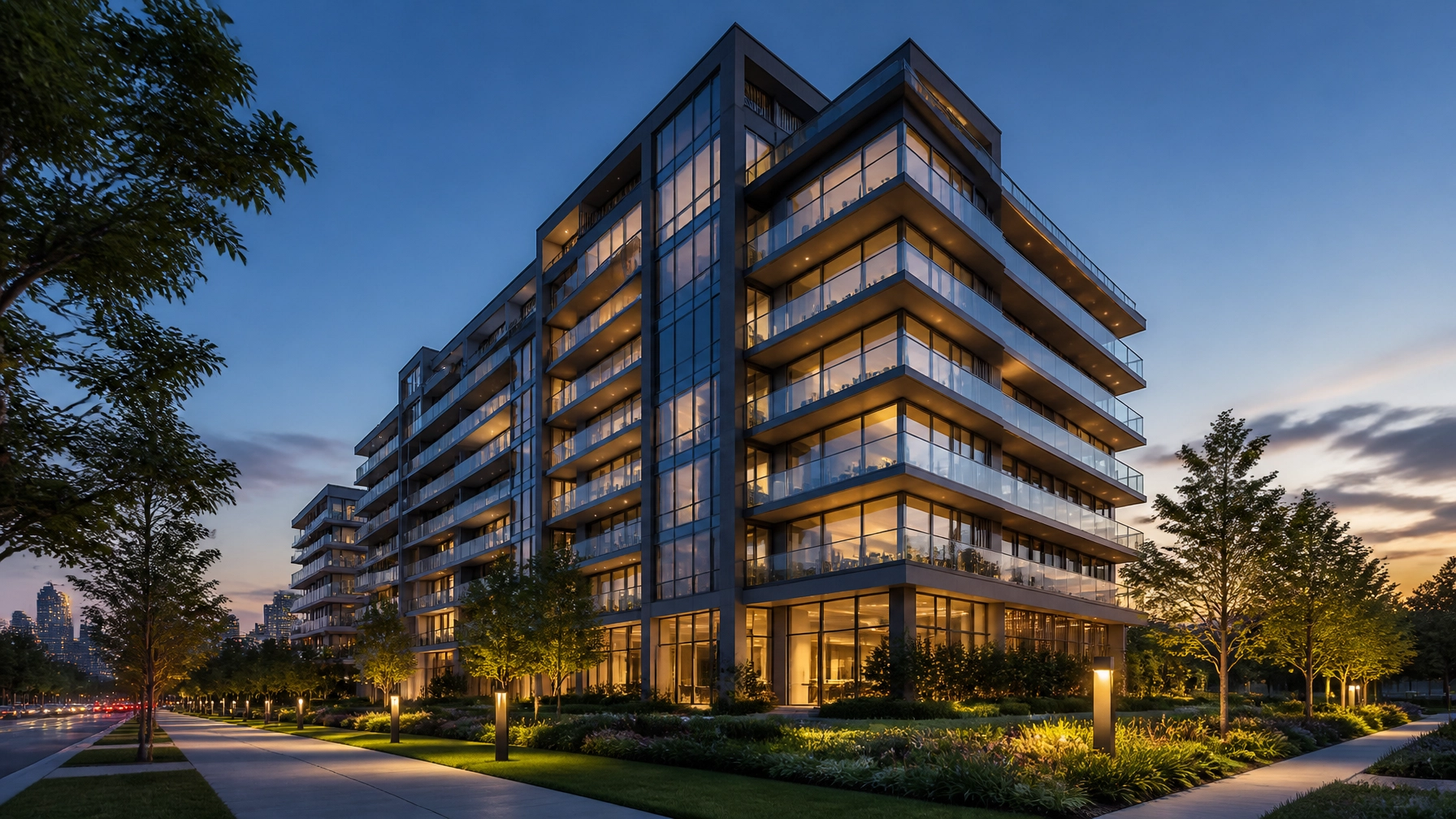
The real estate landscape in Ontario has shifted significantly as we navigate the mid-2020s. While the Greater Toronto Area (GTA) remains a cornerstone for long-term wealth preservation, the "easy money" era of speculative pre-construction flipping has matured into a market that demands precision and strategic discipline. From the bustling core of Toronto to high-growth hubs like Markham, Richmond Hill, and Vaughan, investors are finding that the "buy and forget" strategy no longer suffices.
Cathy Dou, Real Estate Agent and Broker of Record at BuyRealty.ca Brokerage, observes that many clients approach pre-construction with outdated assumptions. Navigating the current market requires a deep understanding of the Trust in Real Estate Services Act (TRESA), municipal zoning shifts, and the nuanced financial structures of the modern Agreement of Purchase and Sale (APS).
If you are looking to secure a property in Ontario’s evolving landscape, avoid these seven critical mistakes that could compromise your ROI.
1. Treating the Deposit Price as the "Final" Price
Many investors look at the deposit schedule and the sticker price of a new condo in North York or a townhome in Aurora and assume that is their total capital outlay. In reality, the final closing costs for pre-construction can be significantly higher than a resale property.
Beyond the standard Land Transfer Tax, buyers are often hit with "adjustments" that can add 3% to 5% to the final cost. These include utility connection fees (hydro, water, gas), Tarion enrolment fees, and builder administrative charges. Without a properly vetted contract, these costs can catch you off guard at final closing.
The Fix: Work with an experienced professional to review the APS during the cooling-off period. Ensure your lawyer provides a detailed estimate of all potential closing adjustments so you can budget for the "true" price, not just the marketing price.
2. Ignoring the 10-Day Cooling-Off Period
In Ontario, the Condominium Act provides a statutory 10-day cooling-off period for new residential condominiums. This is perhaps the most underutilized tool in an investor's arsenal. Many buyers sign the paperwork at a sales centre in Richmond Hill or Vaughan and simply wait for the 10 days to expire without taking action.

The Fix: This window is your opportunity to conduct due diligence. Use this time to have your contract reviewed by a lawyer specializing in pre-construction. This is when you negotiate "caps" on development levies and ensure assignment rights are clearly defined. Once the 10 days pass, the contract is legally binding, and your leverage vanishes.
3. The "Uncapped" Development Levy Trap
Development charges and education levies are fees paid by the builder to the municipality (such as the City of Toronto or York Region) to fund infrastructure. These fees can increase between the time you sign the contract and the time the building is registered. If your levies are not "capped," you are essentially giving the builder a blank cheque to cover municipal fee hikes.
The Fix: Always negotiate a cap on development levies. For example, a cap of $10,000 for a one-bedroom and $15,000 for a two-bedroom is common in many GTA projects. Knowing your maximum exposure is critical for calculating realistic rental yields and ensuring the investment remains profitable.
4. Not Vetting the Developer’s Track Record
In a market where construction costs and interest rates fluctuate, the stability of the developer is paramount. We have seen project cancellations across the GTA, from downtown Toronto to Brampton, leaving buyers with their deposits returned but years of lost market appreciation.

The Fix: Research the developer’s history. Have they delivered past projects on time? What is their reputation for build quality and post-closing service? Cathy Dou, Broker of Record at BuyRealty.ca Brokerage, advises clients to look beyond the glossy renderings and visit the developer’s completed buildings to see how they have aged.
5. Miscalculating the "Phantom Mortgage" (Occupancy Fees)
Condo pre-construction involves two closings: Interim Occupancy and Final Closing. During the interim occupancy period: which can last from a few months to over a year: you move into the unit (or rent it out with permission) but do not yet own it. You pay "occupancy fees" to the builder, which consist of interest on the unpaid balance, estimated property taxes, and maintenance fees.
These payments do not go toward your mortgage principal; they are effectively "dead money."
The Fix: Factor the occupancy period into your cash flow projections. If you are an investor, ensure your contract includes the "Right to Lease during Occupancy" so you can offset these costs with rental income. Understanding the latest Toronto housing market forecasts can help you estimate how long registration might take in different municipal jurisdictions.
6. Overestimating Tarion’s Protection
The Tarion Warranty Corporation provides essential protection for Ontario homeowners, but it is not an all-encompassing insurance policy. It covers deposit protection (up to certain limits) and specific structural defects, but it does not protect you from market volatility, appraisal shortfalls, or the "hassle" of delays.
The Fix: Understand the limits of Tarion. If you are buying a luxury property in a high-growth area like the Vaughan Metropolitan Centre, your deposit might exceed the statutory protection limit. Ensure you are comfortable with the builder’s financial standing beyond the basic provincial safety nets.
7. Going Solo to the Sales Centre
Many buyers believe they will get a "better deal" by dealing directly with the builder’s sales team. This is a misconception. The sales representatives at the site work for the builder and have a fiduciary duty to the builder: not to you. By going solo, you forfeit the professional representation that can negotiate better terms, levy caps, and assignment clauses on your behalf.

The Fix: Bring your own representative. A specialized real estate agent understands which floor plans have the best resale value, which builders are offering the best incentives, and how to navigate the complexities of TRESA regulations to protect your interests.
Navigating the Path to Success
The Ontario real estate market is complex, but for the informed investor, GTA pre-construction remains a powerful vehicle for wealth creation. Whether you are looking at a sleek high-rise in North York or a family-oriented development in Markham, success lies in the details of the contract and the strength of your professional network.
Cathy Dou, Real Estate Agent and Broker of Record at BuyRealty.ca Brokerage, emphasizes that clarity is the greatest asset in a shifting market. By avoiding these common pitfalls and focusing on strategic acquisition, you can ensure your investment stands the test of time.
Call Cathy at 647-691-6364
| Toronto | Detached houses · Condos · Townhouses · New this week |
|---|---|
| Richmond Hill | Detached houses · Condos · Townhouses · New this week |
| Vaughan | Detached houses · Condos · Townhouses · New this week |

