

For years, the Greater Toronto Area (GTA) real estate landscape felt like an uphill battle for anyone not carrying a massive investment portfolio. Bidding wars, firm offers with no conditions, and skyrocketing price points became the "new normal." However, as we move through the first quarter of 2026, the narrative has shifted dramatically.
The current toronto condo market update reveals a landscape that would have seemed impossible just thirty-six months ago. We are seeing a decisive transition into a buyer’s market. From the high-rise corridors of North York and the Waterfront to the growing urban centres in Vaughan and Markham, the inventory is sitting longer, and the "Sold Over Asking" signs are being replaced by "Price Adjusted" notices.
Cathy Dou, Real Estate Agent and Broker of Record at BuyRealty.ca Brokerage, observes that this shift is not just a temporary dip but a structural rebalancing of the market. For those who have been waiting on the sidelines, the window of opportunity is officially open.
Here are five reasons why buyers finally have the upper hand in the Toronto condo market right now.
1. Massive Inventory Levels and the 5.8-Month Supply
In a balanced real estate market, you typically see three to four months of inventory. When supply drops below that, it’s a seller’s market. When it rises above, the power shifts to the buyer. Currently, the GTA has recorded approximately 5.8 months of housing supply in the condo sector.
This inventory surge is a significant component of the latest toronto housing market forecast. With nearly six months of active listings available, buyers are no longer pressured to make a decision within hours of a viewing. This surplus is particularly visible in areas like the Toronto core and Mississauga, where a high concentration of new completions has hit the market simultaneously.
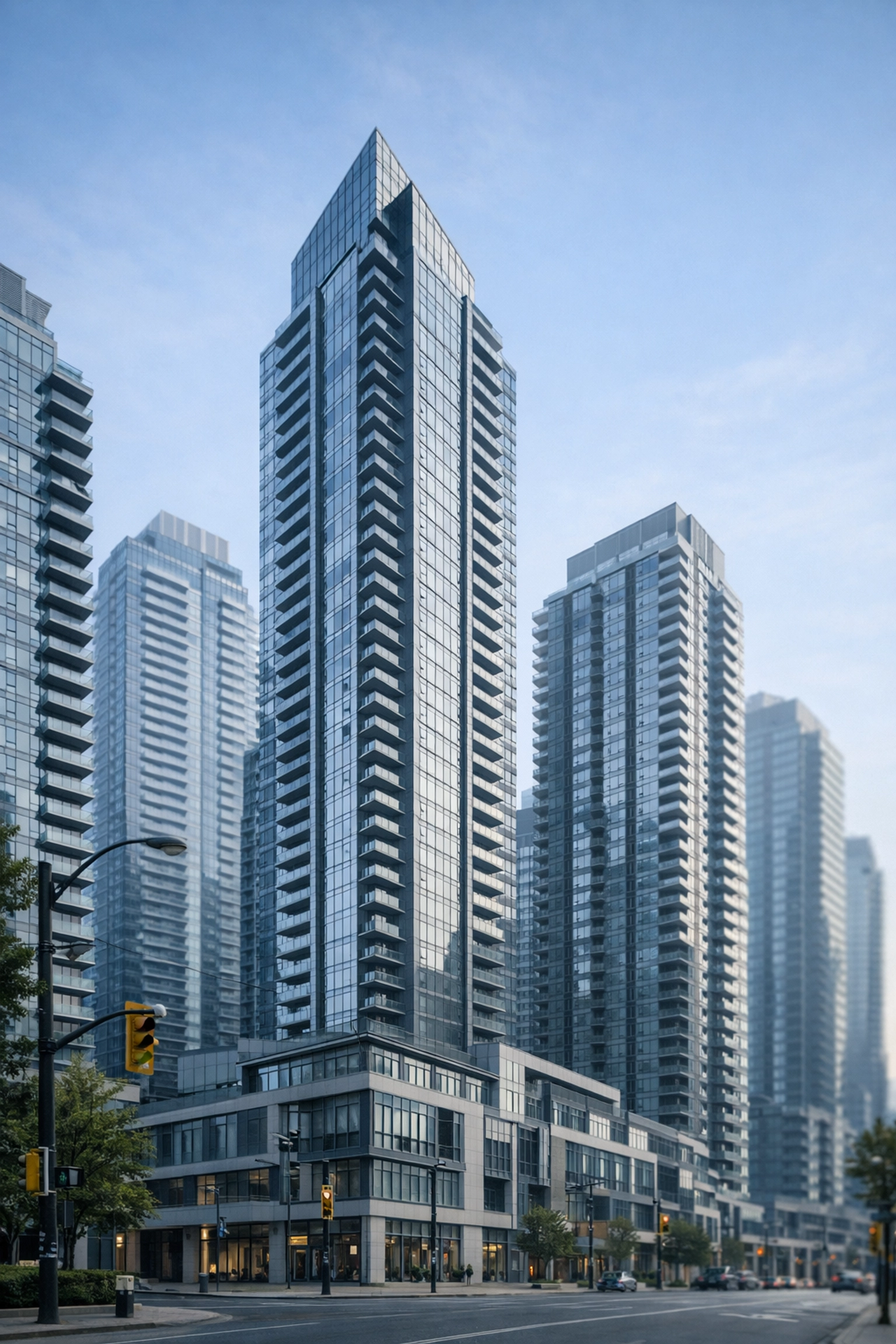
For a buyer, this means variety. You can actually compare different layouts, floor levels, and building amenities without the fear that your top choice will be gone by dinner time. This abundance of choice is the ultimate leverage in any negotiation.
2. The Investor Exodus and the Death of the Bidding War
For the better part of a decade, the Toronto condo market was fueled by short-term investors. These buyers often purchased multiple units pre-construction with the intent to flip or lease them for a profit. However, with interest rates stabilizing at a higher floor than the historic lows of 2020, the "math" for many investors no longer works.
Cathy Dou, Real Estate Agent and Broker of Record at BuyRealty.ca Brokerage, notes that the disappearance of speculative bidding has returned the market to end-users: people actually looking for a home to live in. Without investors driving up prices through aggressive "blind bidding," the price discovery process has become much more transparent.
According to recent data, condo sales are down roughly 26% year-over-year. This lack of competition means you are likely the only person putting an offer on a property on a given Tuesday, allowing for a strategic approach rather than a reactive one.
3. Significant Price Declines and Negotiation Room
The numbers don’t lie: the average price for a condo apartment in the GTA has declined by approximately 9.8% year-over-year, settling around the $605,000 mark. While this might be a point of concern for sellers, it is a massive win for those looking to enter the market.
Many units are now selling for less than their original pre-construction purchase price from three or four years ago. This "negative equity" situation for some sellers has created a sense of urgency to sell, providing buyers with substantial negotiation room.

When the toronto condo market update shows prices trending downward, buyers can successfully negotiate for:
- Lower purchase prices.
- Inclusion of furniture or extra parking spots.
- Repair credits during the inspection phase.
- Longer or shorter closing dates that suit the buyer's timeline.
4. The Oversupply of "Micro-Condos"
One of the most interesting nuances of the current market is the severe mismatch between what was built and what people actually want. Research indicates that roughly 60% of the new inventory consists of micro-condos (units with three rooms or fewer, often under 500 square feet). However, only about 30% of current buyers are interested in these smaller footprints.
This saturation of small units has caused their value to drop faster than larger, two-bedroom units. If you are a first-time buyer or a single professional looking for an entry point into a neighbourhood like Richmond Hill or Thornhill, these smaller units are more affordable than ever.

Conversely, if you are looking for a larger suite, you still have more leverage than before because the overall market sentiment is cautious. You can find more information on navigating these choices in our Ontario First-Time Home Buyer's Guide.
5. The Luxury of Time: Longer Days on Market (DOM)
In 2021, the average condo in Toronto might have been on the market for 10 to 14 days. Today, that average has stretched to 67 days. This extra time is a buyer’s greatest asset.
When a property sits for over two months, the seller’s motivation typically increases. This allows buyers to perform due diligence that was previously skipped. Under the Trust in Real Estate Services Act (TRESA), agents are held to high standards of transparency, and having the time to review a Status Certificate or conduct a professional home inspection is vital for consumer protection.
Cathy Dou, Real Estate Agent and Broker of Record, advises her clients to use this time to explore the neighbourhood, check the building’s reserve fund, and ensure the unit truly meets their long-term needs. In a shifting market, rushing is rarely the right move. You can learn more about making these strategic decisions on our Renting vs Buying in Ontario resource page.
Navigating the Market with Professional Guidance
While the market is currently favouring buyers, it remains a complex regulatory environment. Navigating an Agreement of Purchase and Sale requires a steady hand and local expertise. Whether you are looking in Newmarket, Aurora, or the heart of downtown Toronto, understanding the local board data: such as TRREB stats: is essential.
At BuyRealty.ca Brokerage, the focus is on providing a protected, strategic path to homeownership. This isn't just about finding a unit; it's about mitigating risk and ensuring that your investment aligns with the toronto housing market forecast for the years to come.
The current conditions: stable interest rates, high inventory, and decreased competition: create a unique "buy" signal. However, every building and every neighbourhood in the GTA has its own story. From the luxury developments in Vaughan to the established communities in North York and Bradford, the key is to have an authoritative advisor in your corner.

Cathy Dou, Real Estate Agent and Broker of Record at BuyRealty.ca Brokerage, is here to help you navigate these shifts with integrity and precision. In a market where clarity is the greatest asset, professional representation makes all the difference.
If you are ready to take advantage of the current buyer's market and find your next home in Toronto or the surrounding areas, reach out for a consultation.
Call Cathy at 905-367-5924